Shark culling ishigaki
SHARK CULLING: ISHIGAKI
Project information
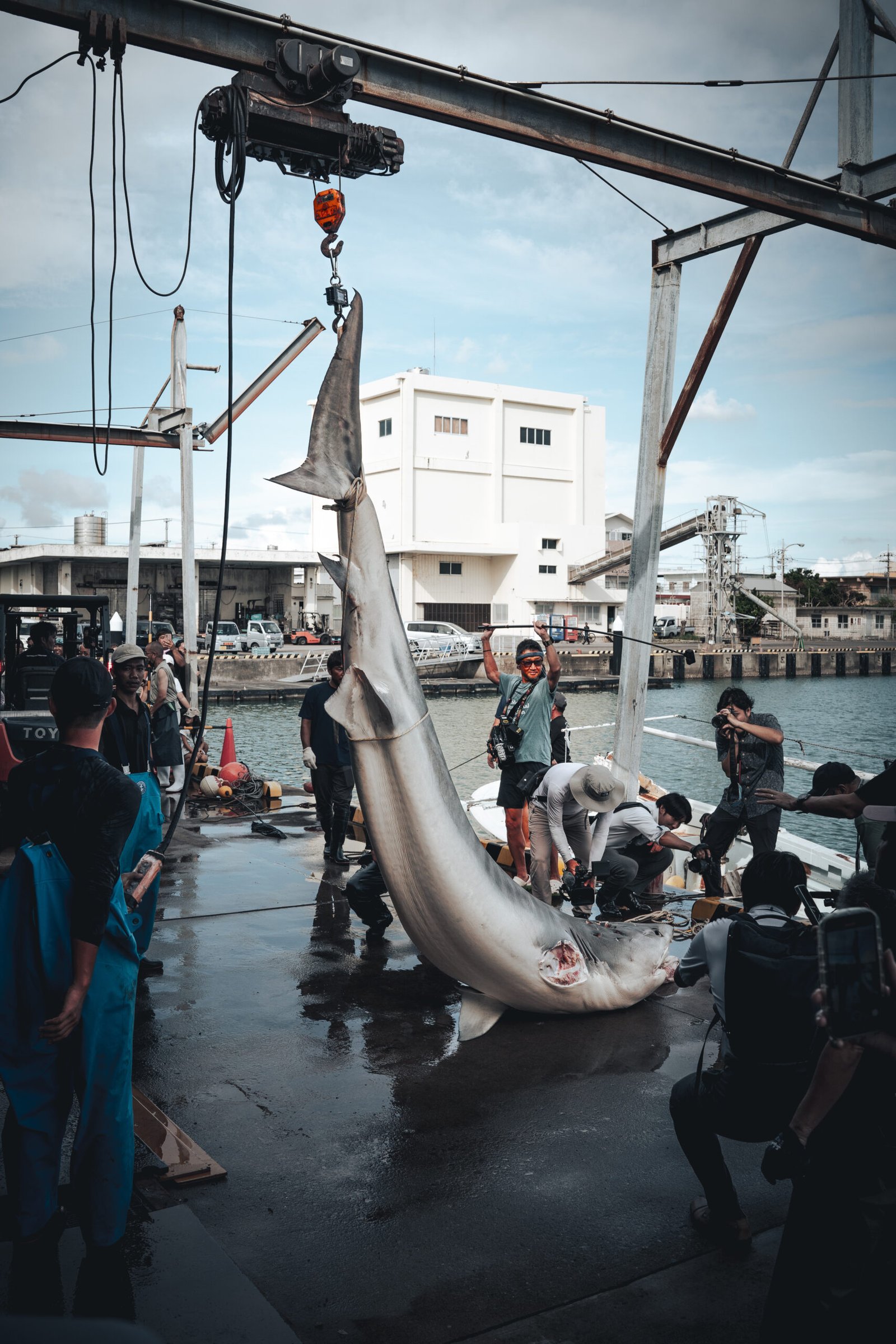
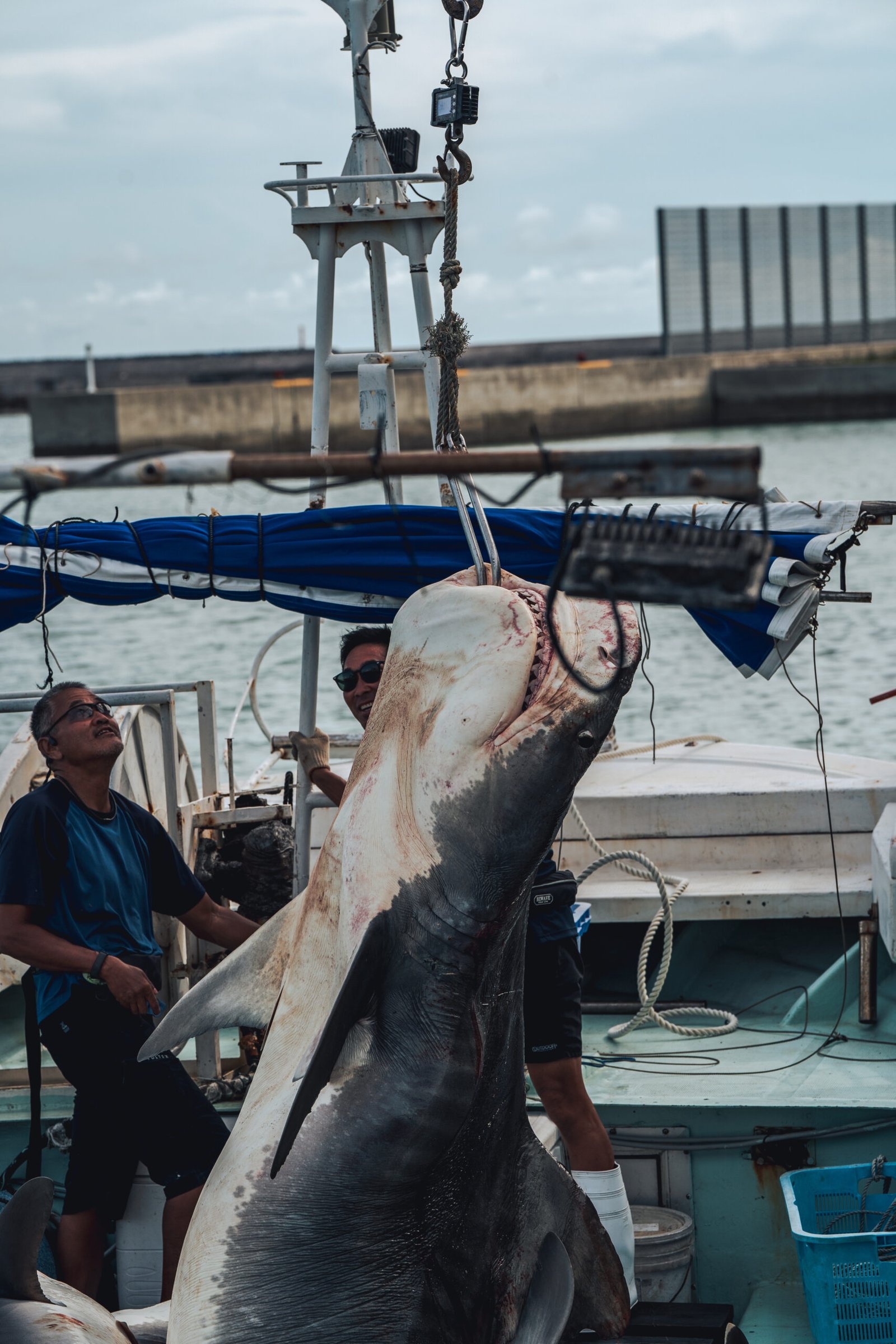
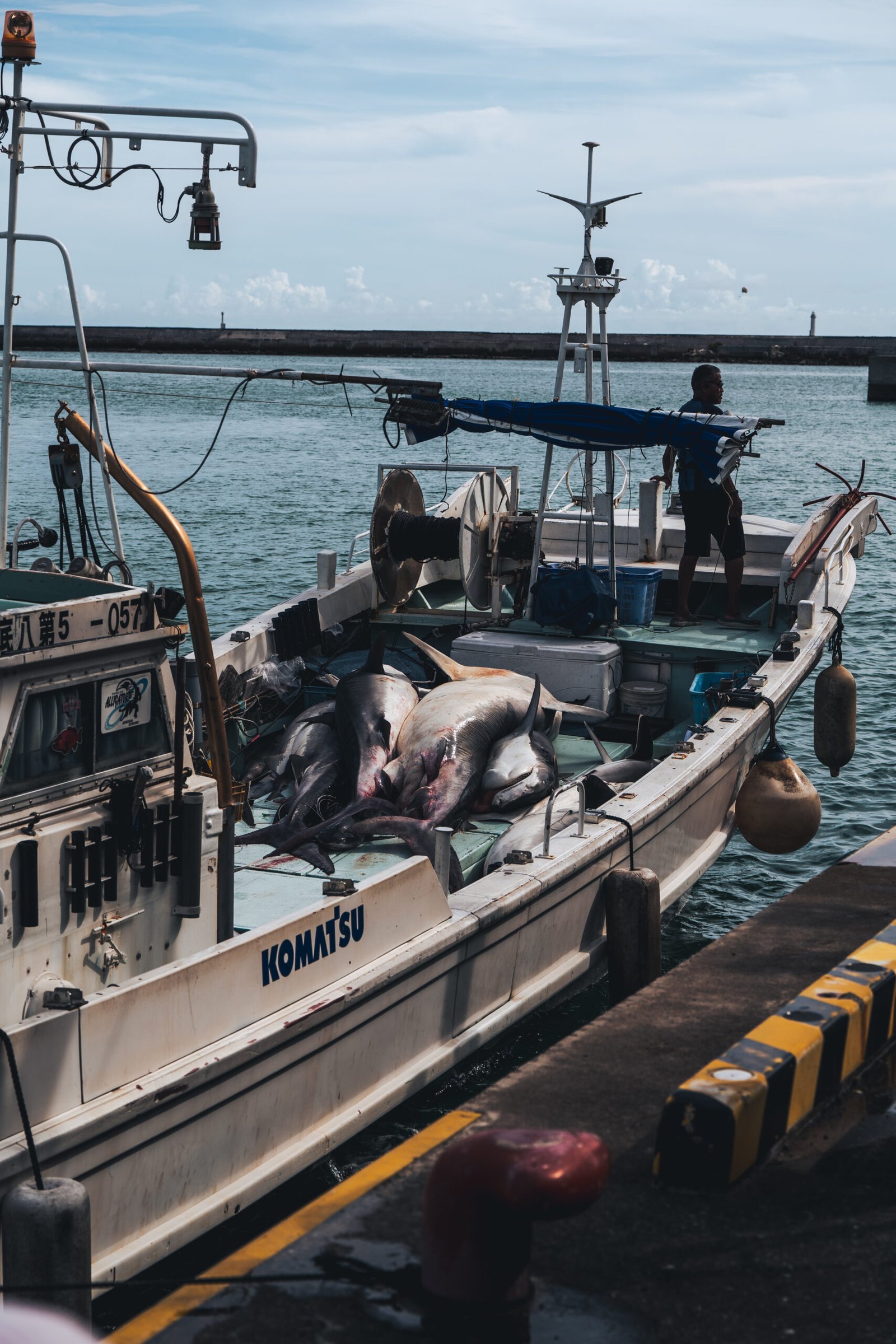
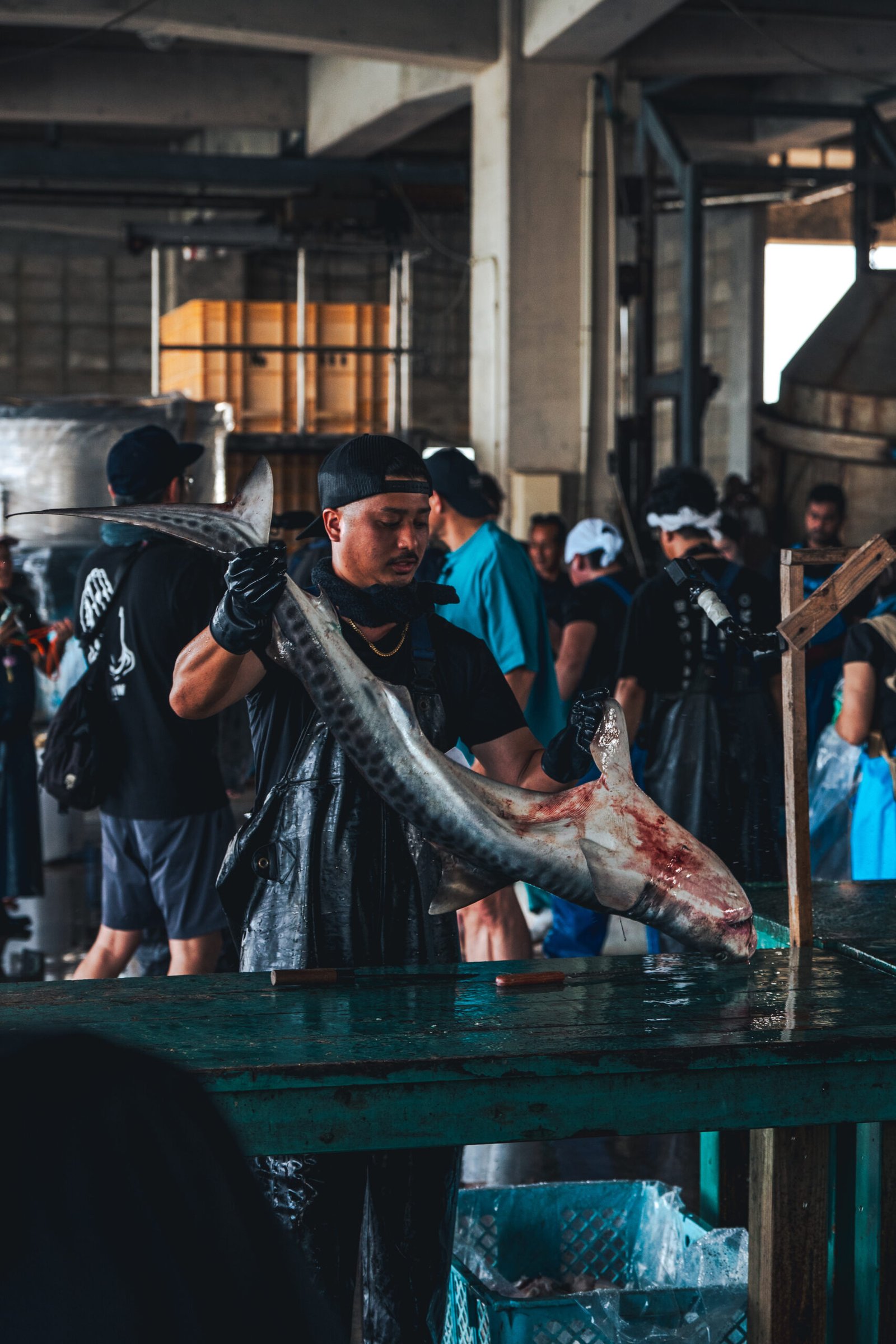
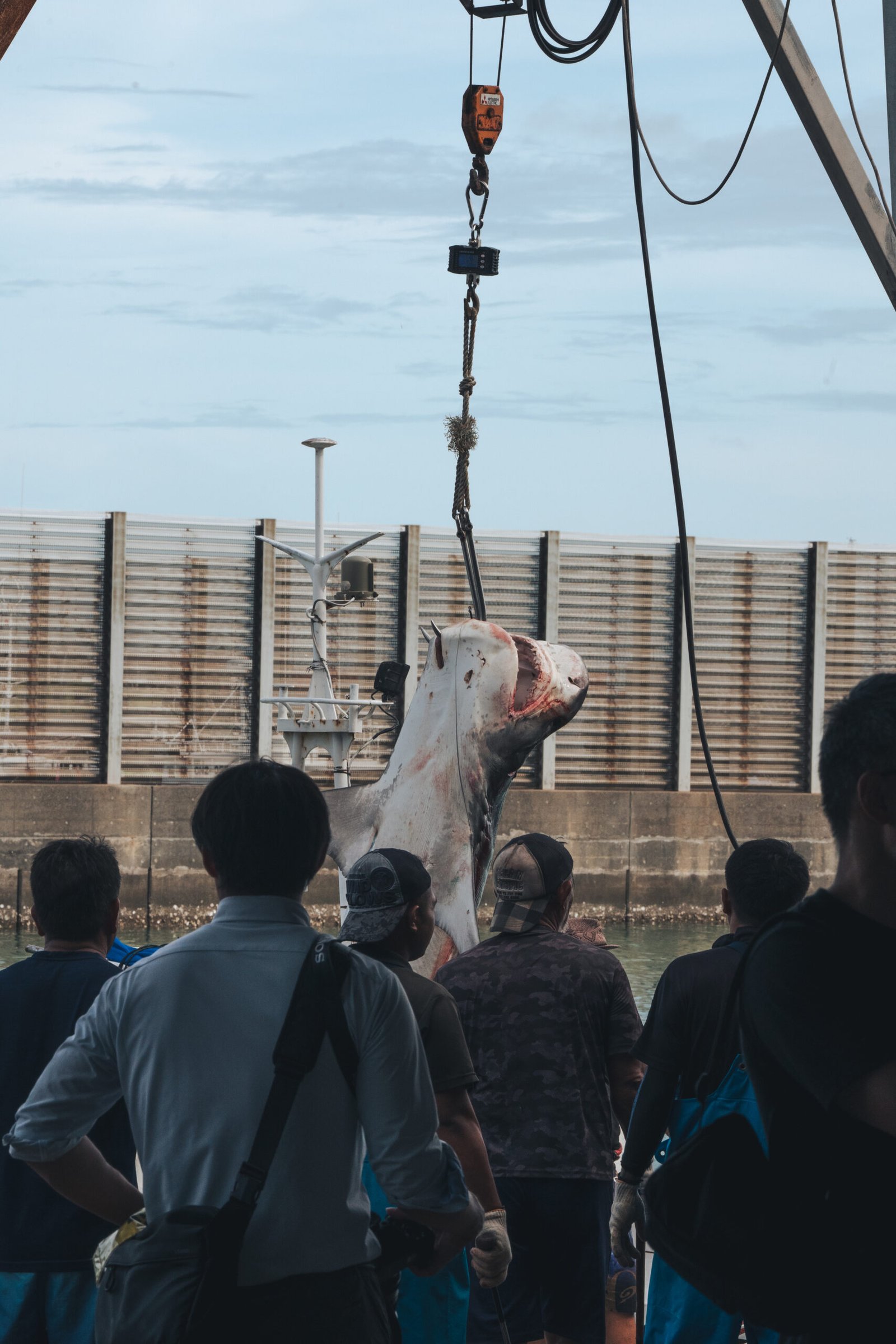
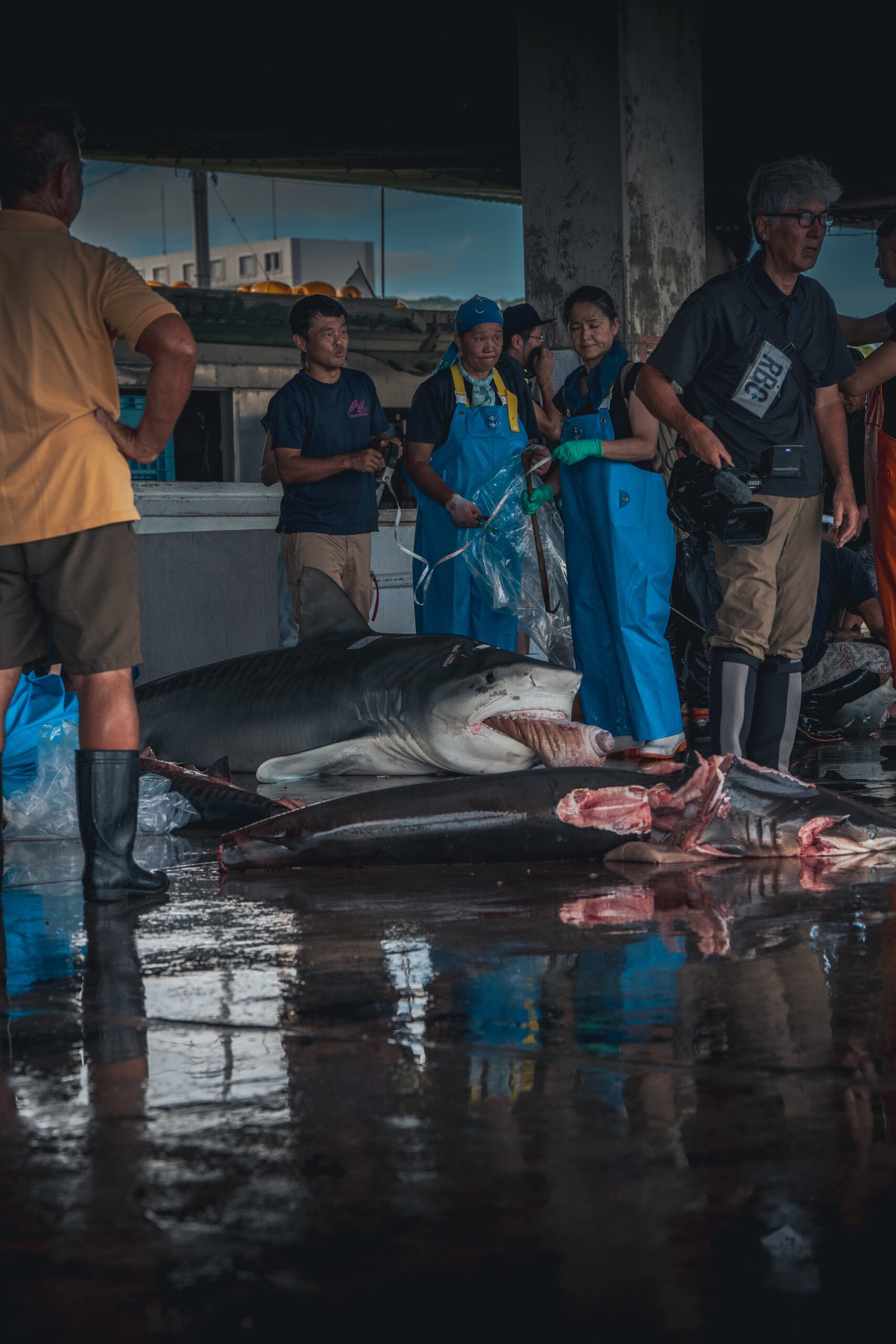
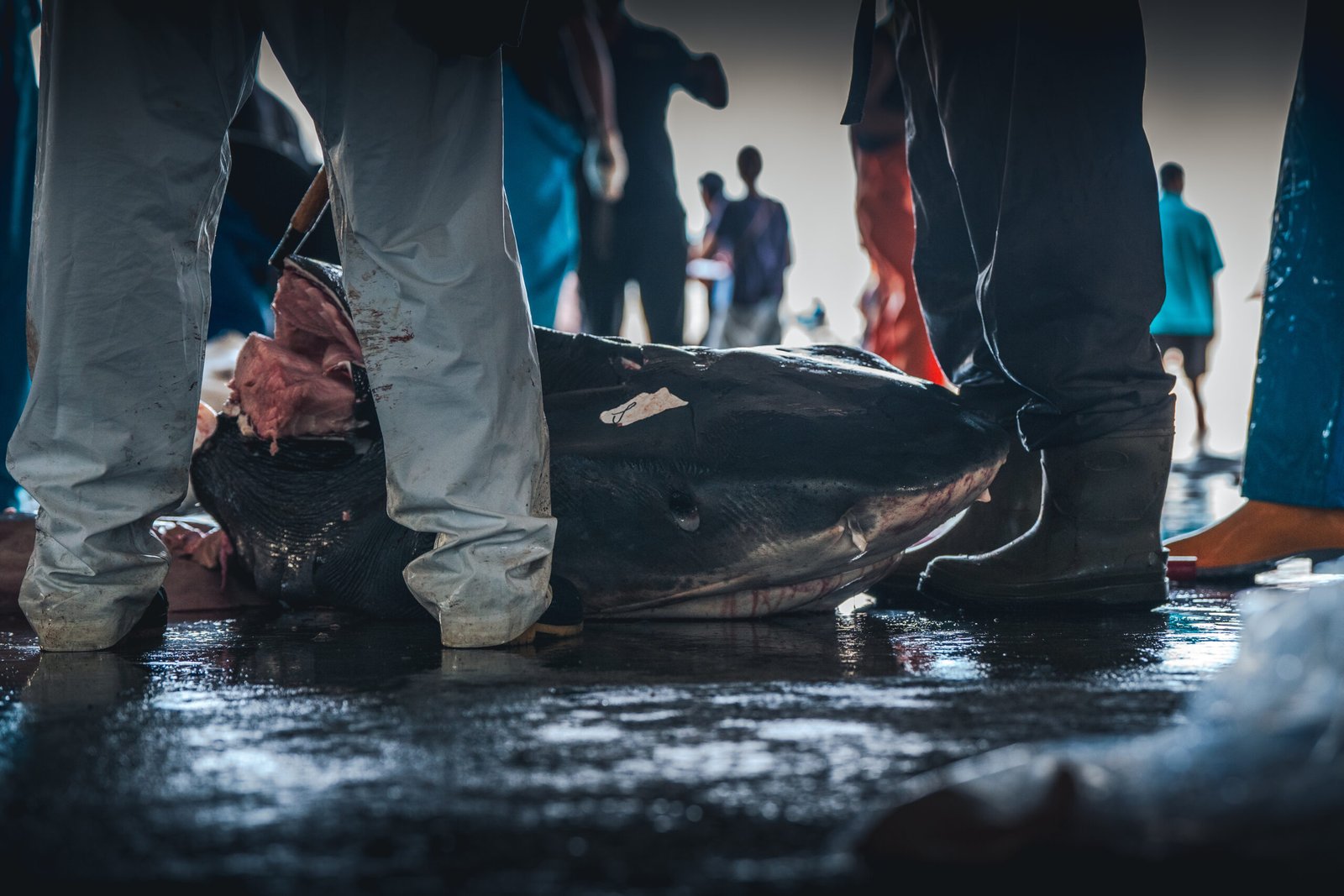
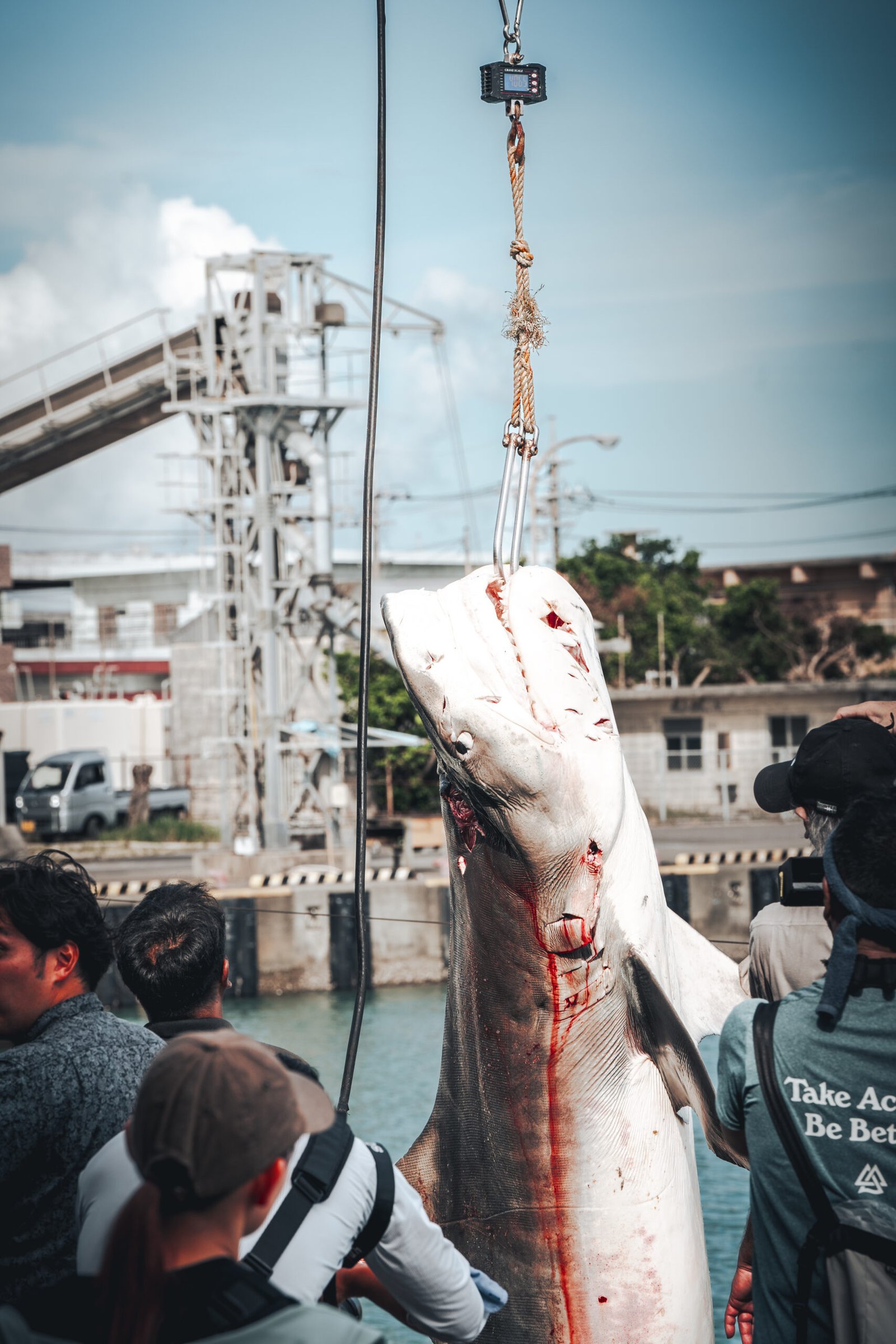
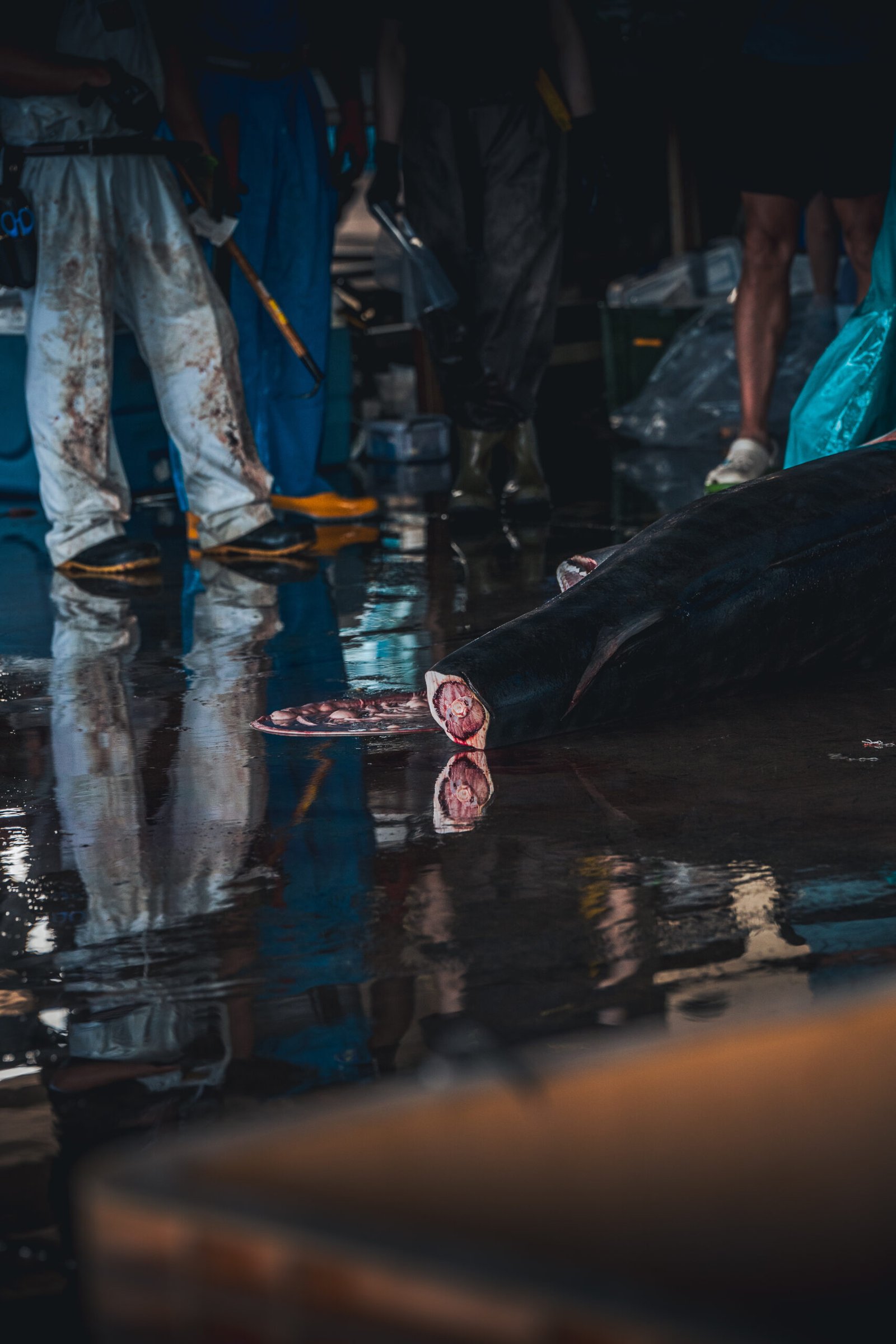
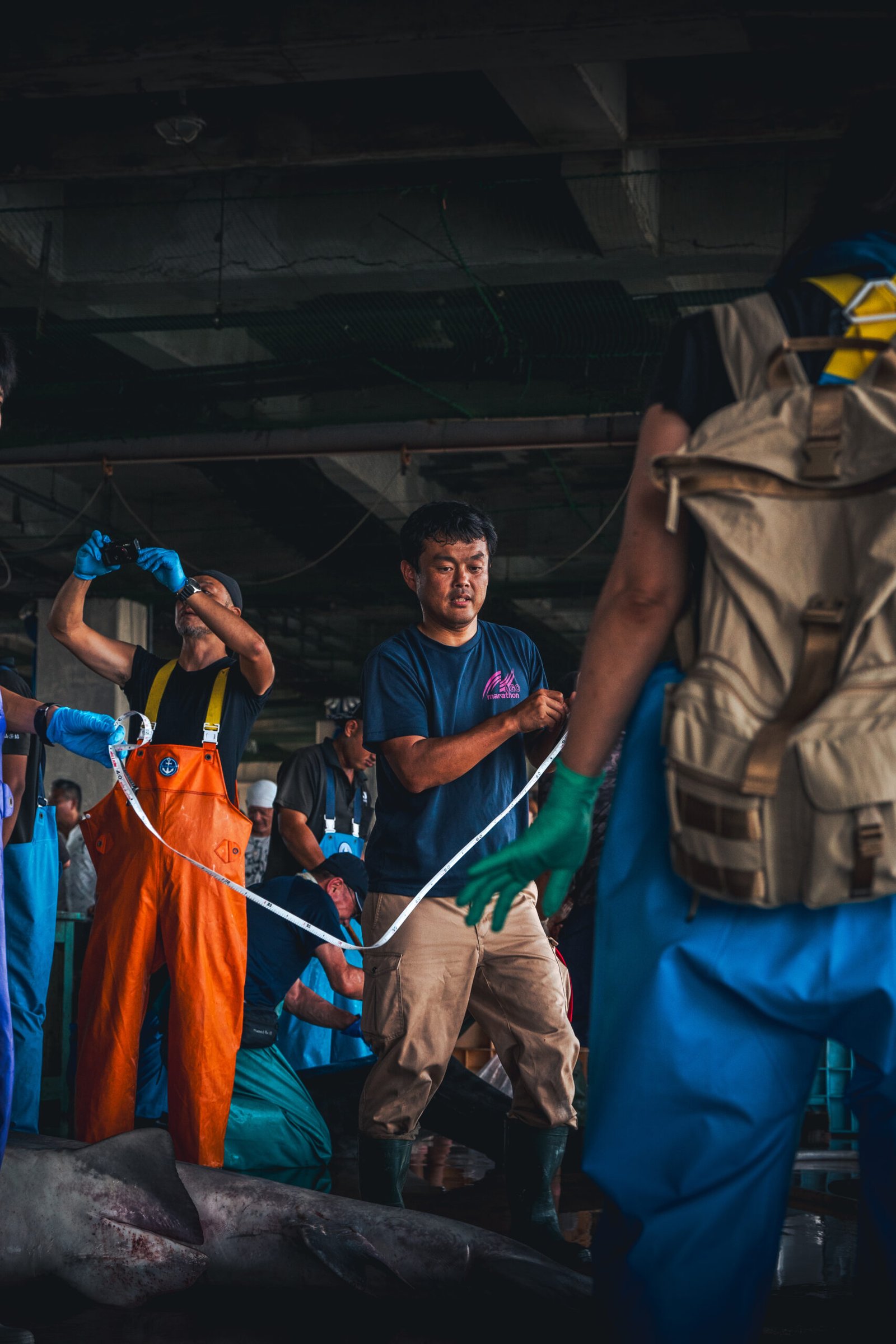
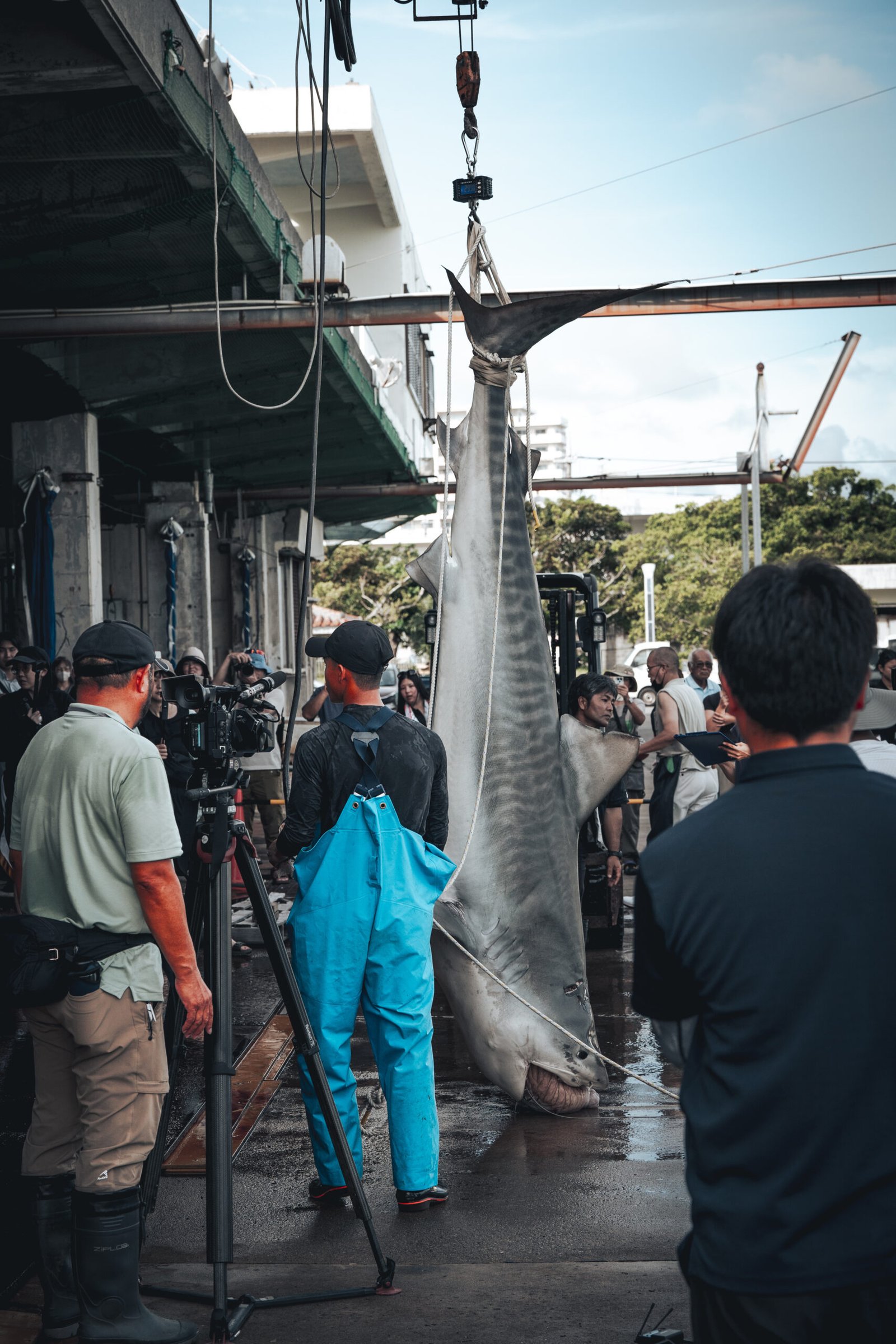
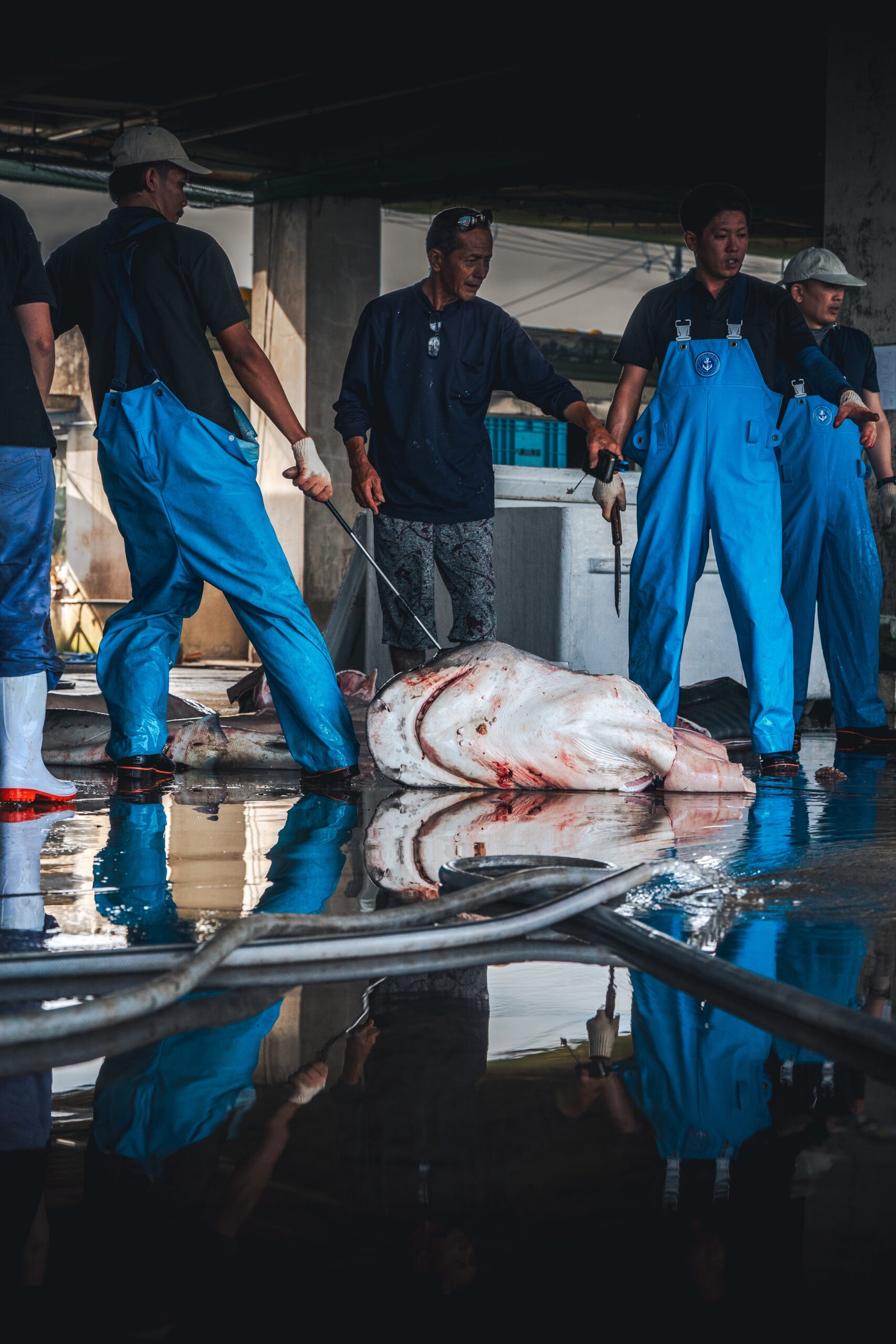
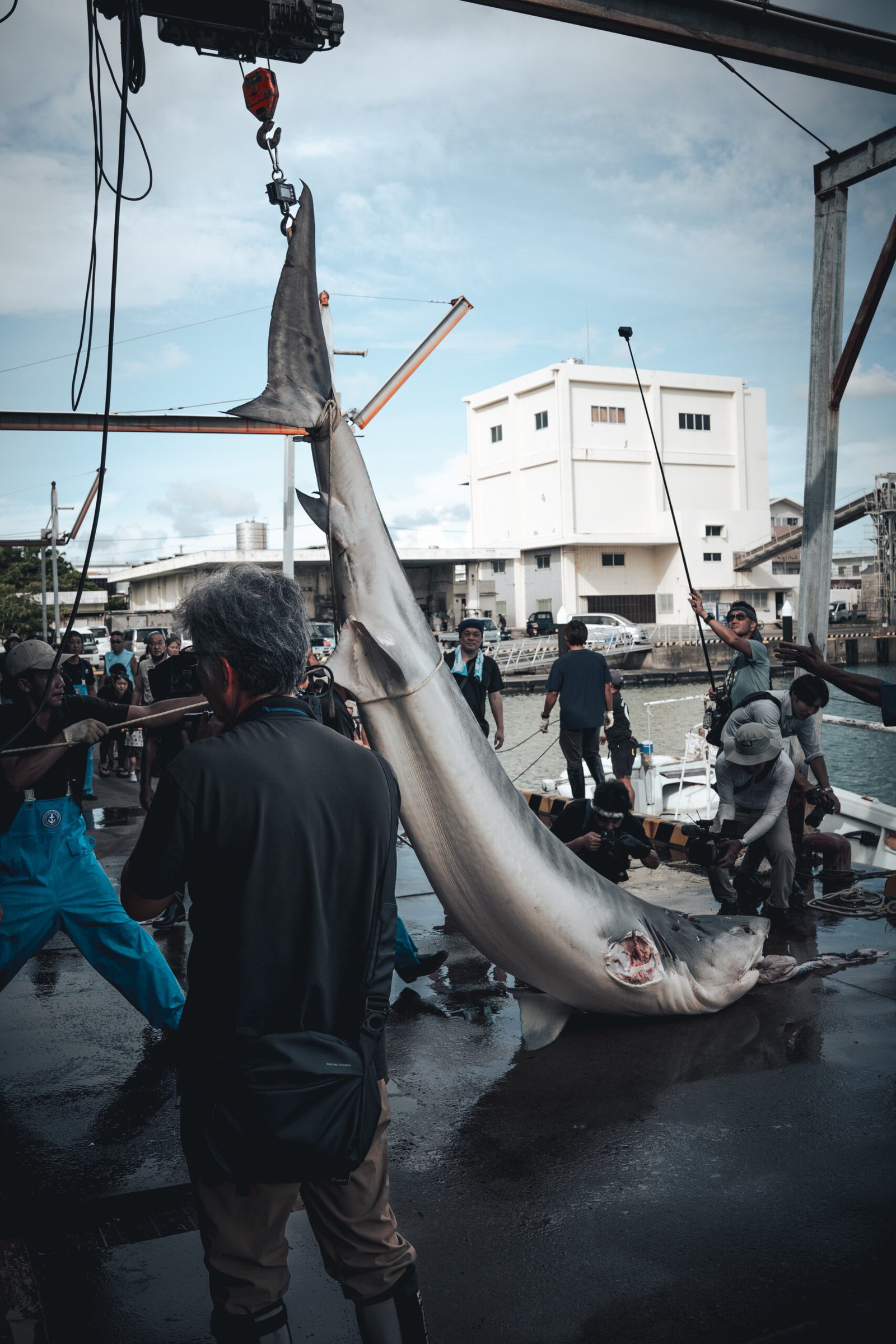
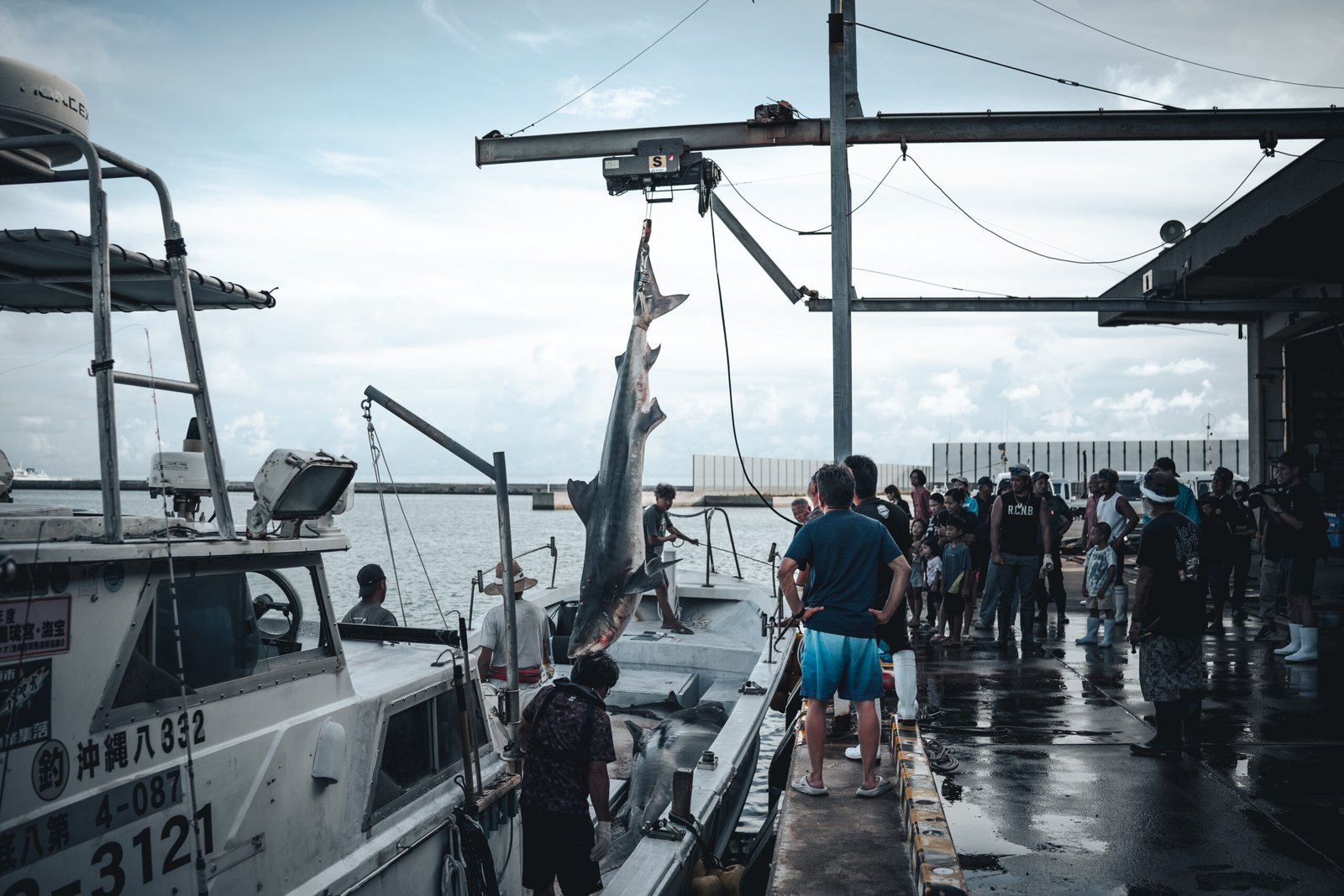
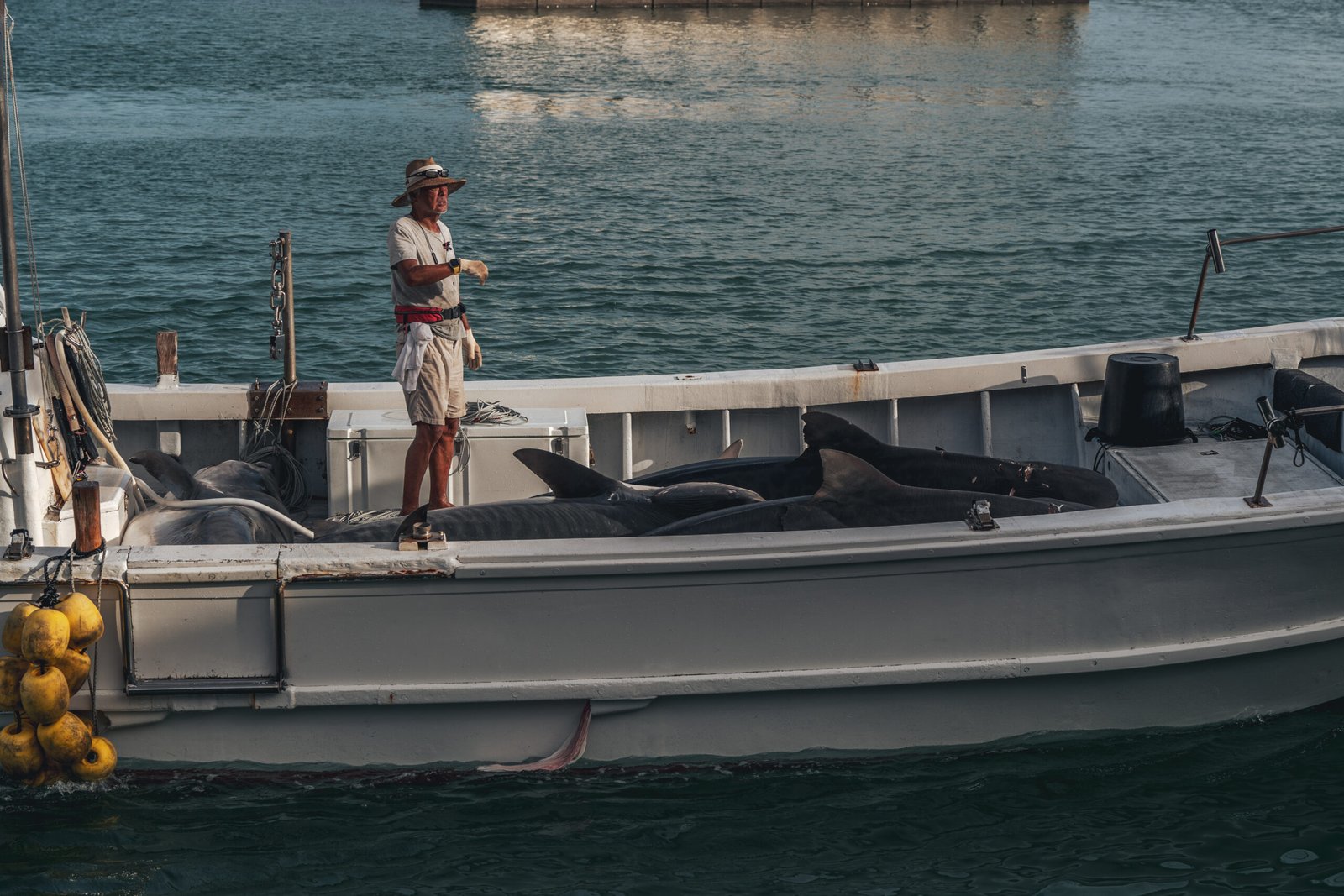
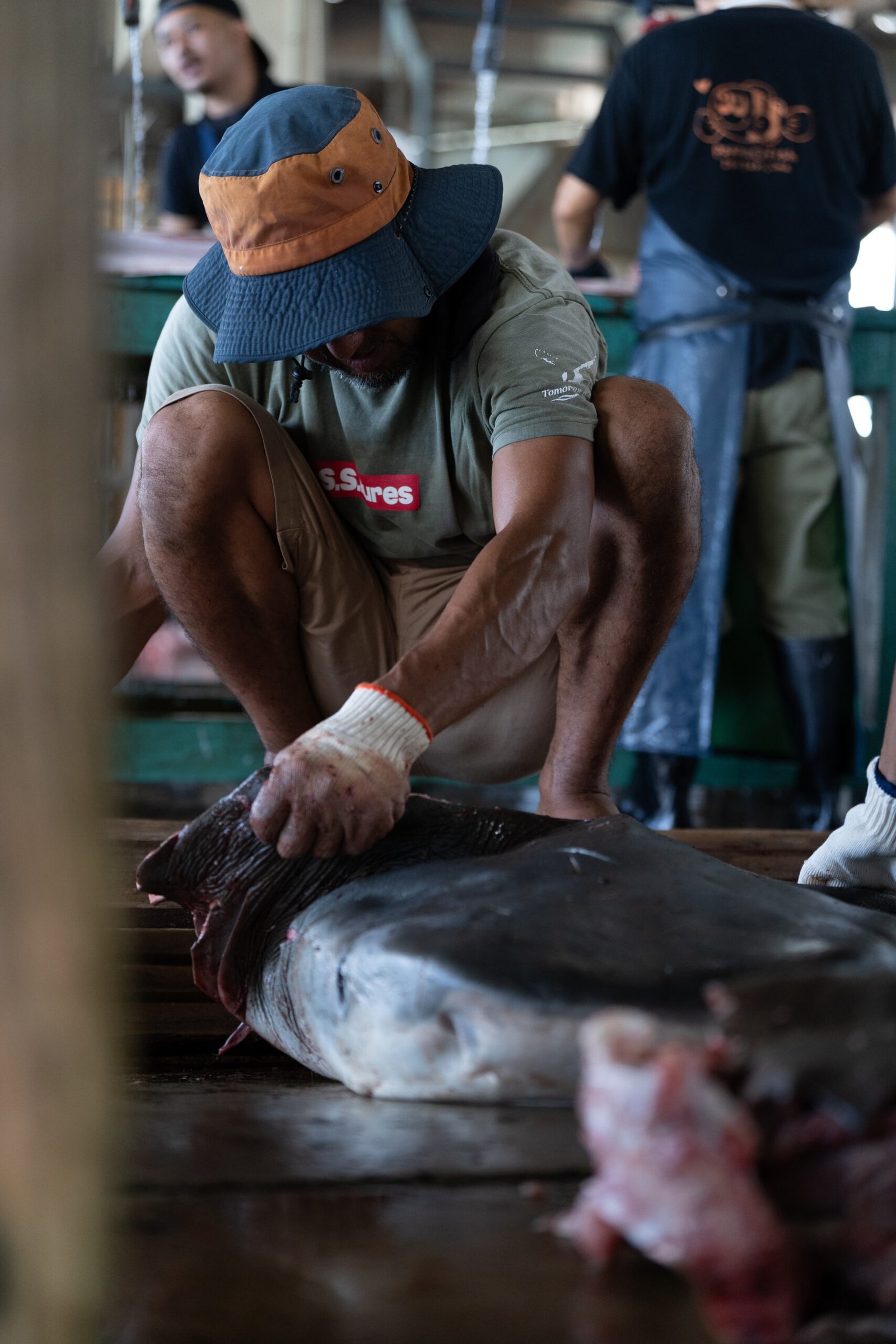
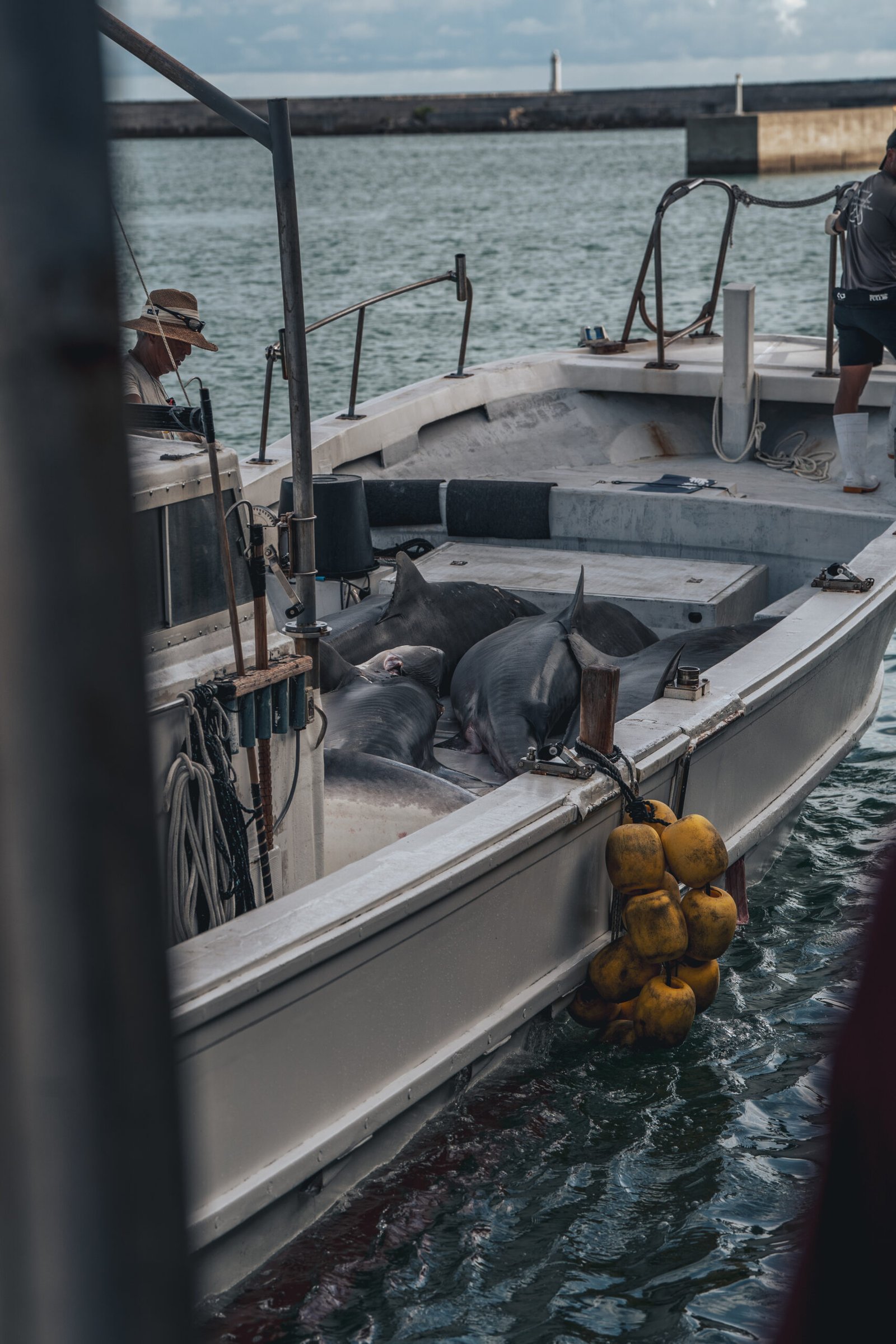
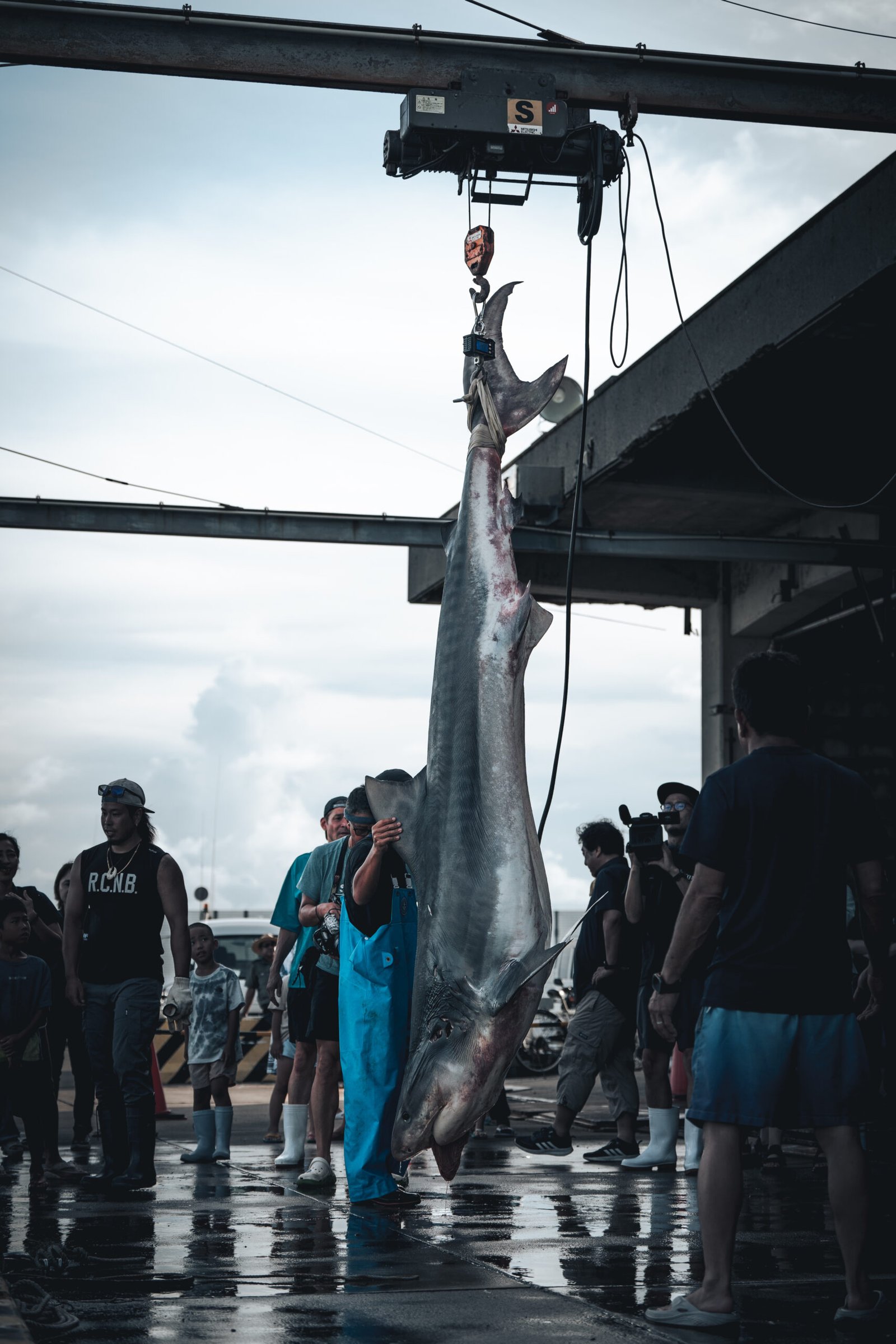
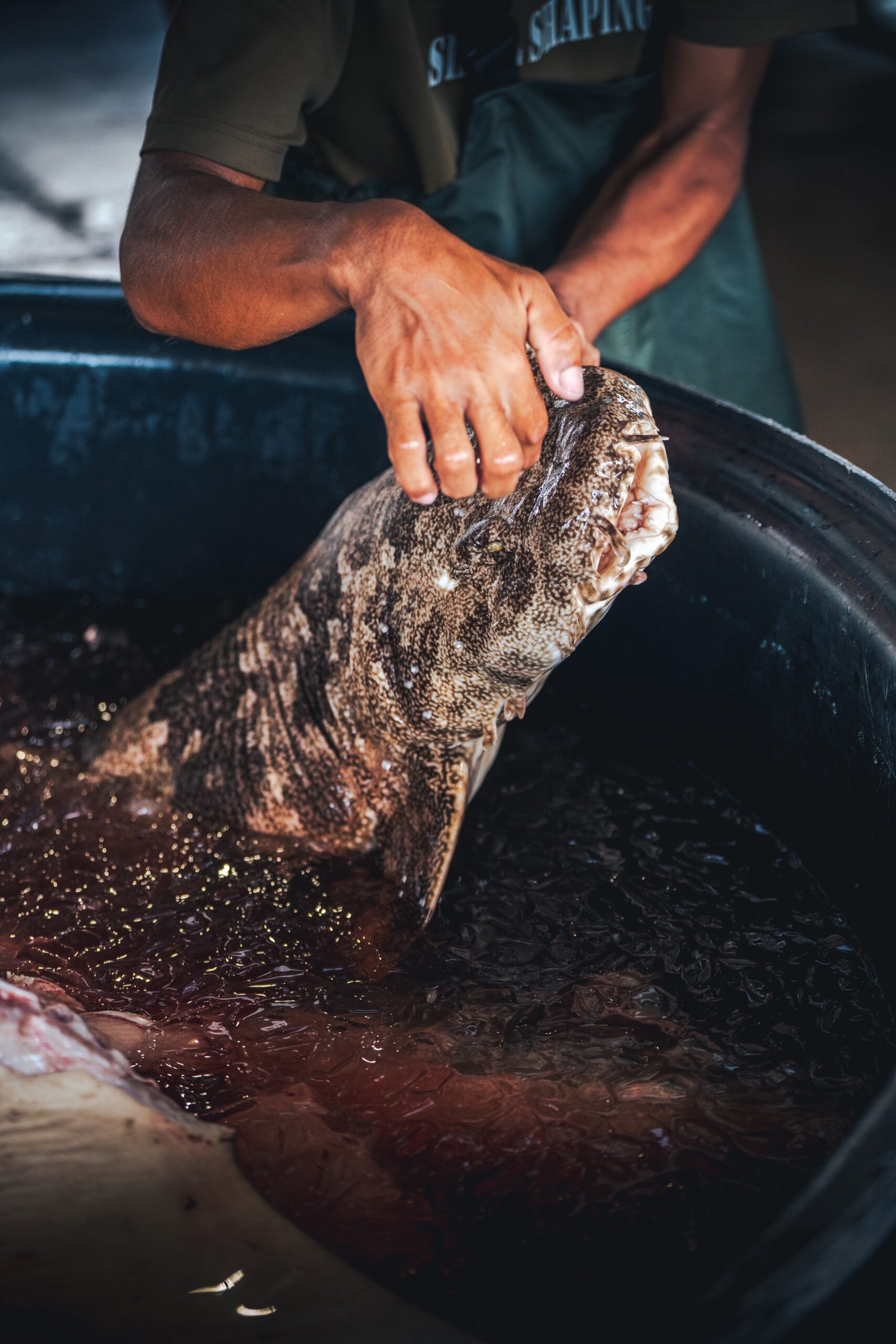
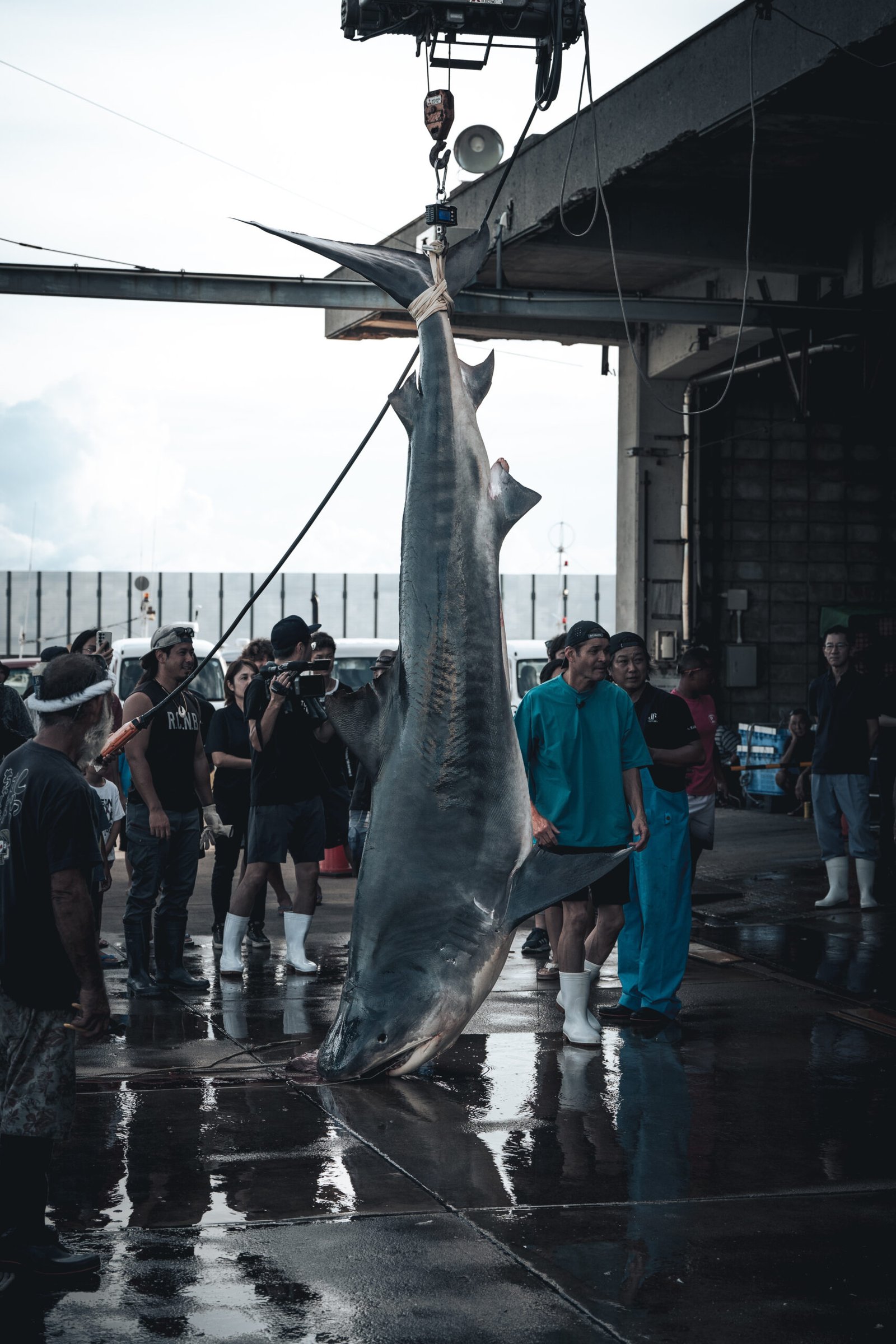
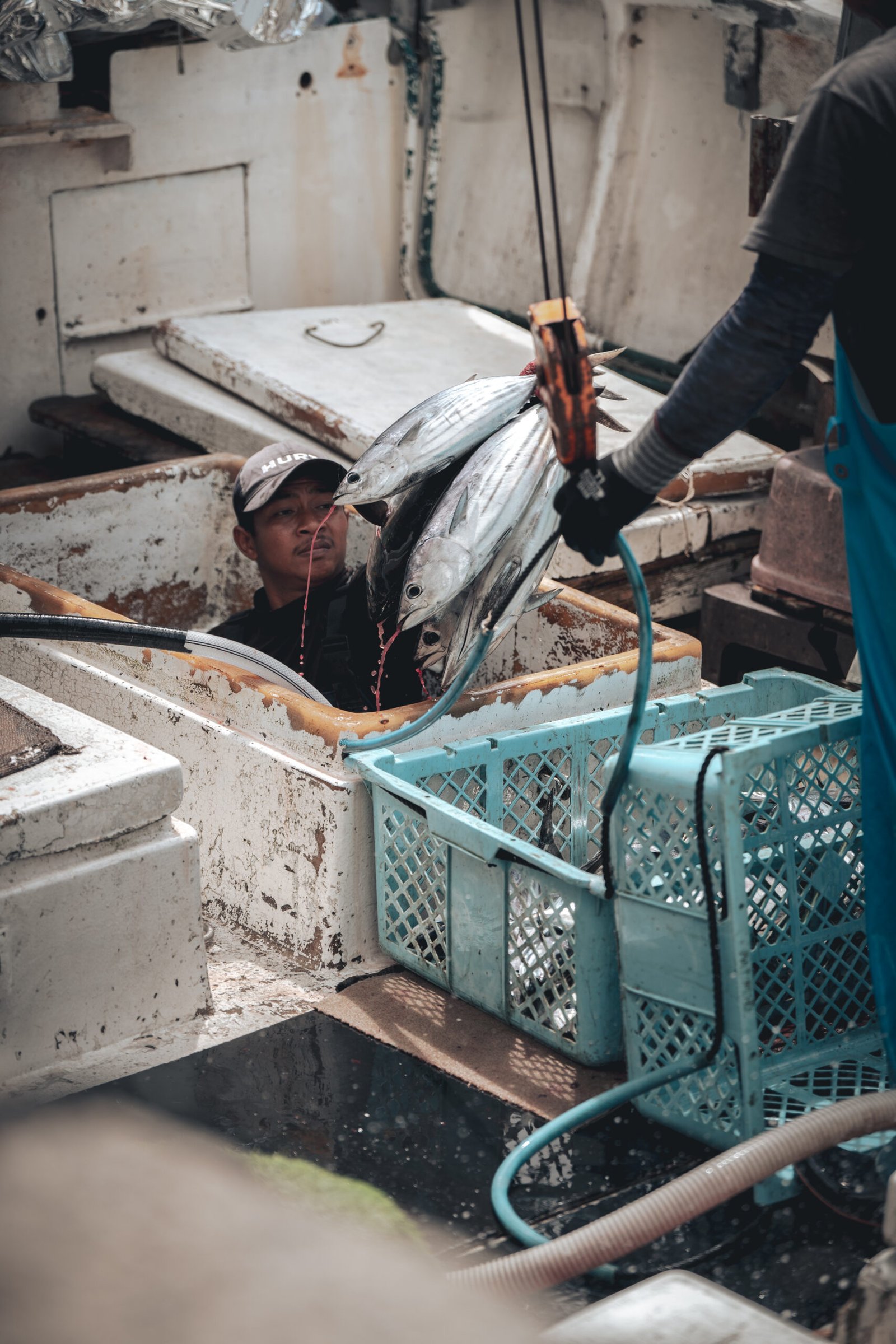
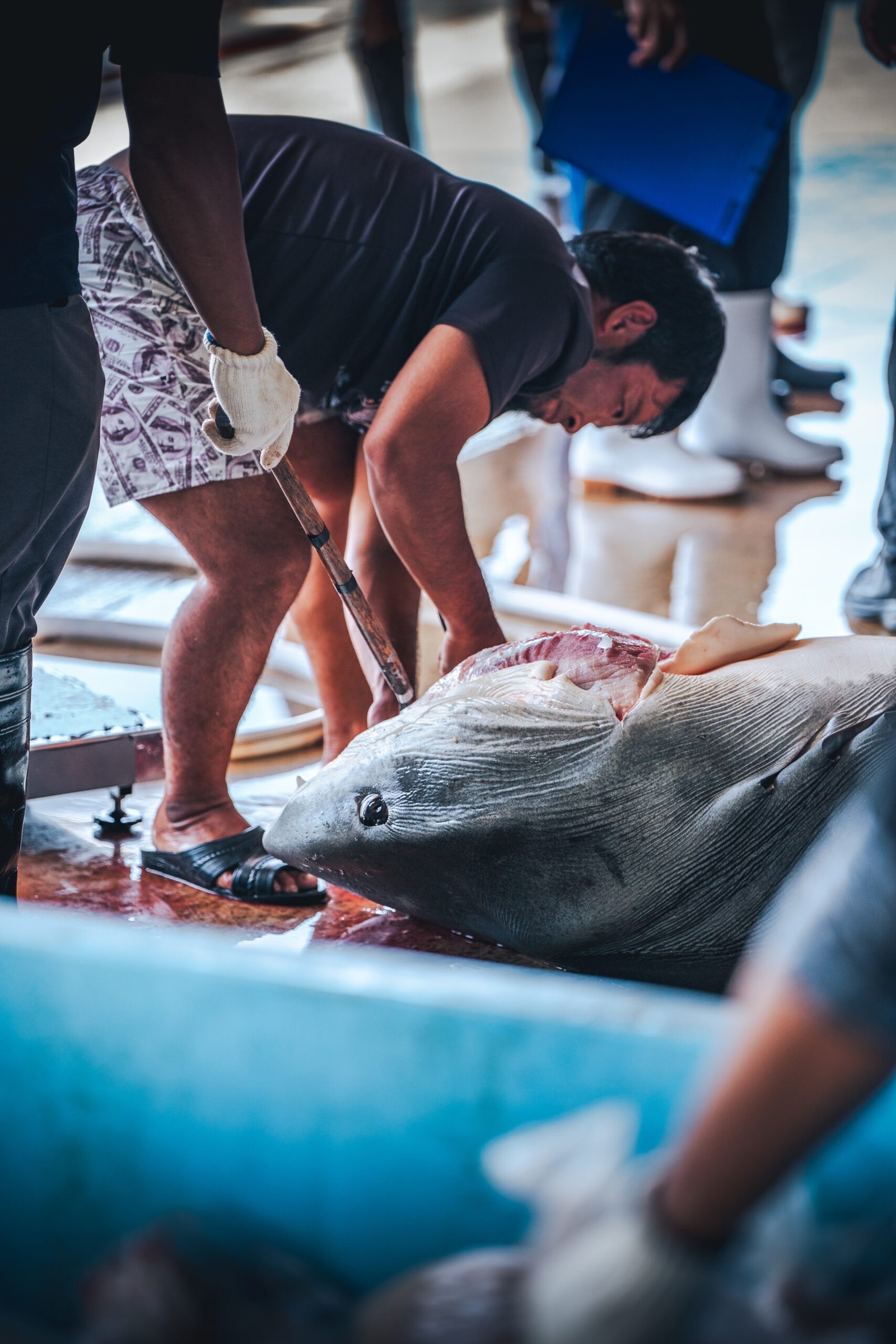
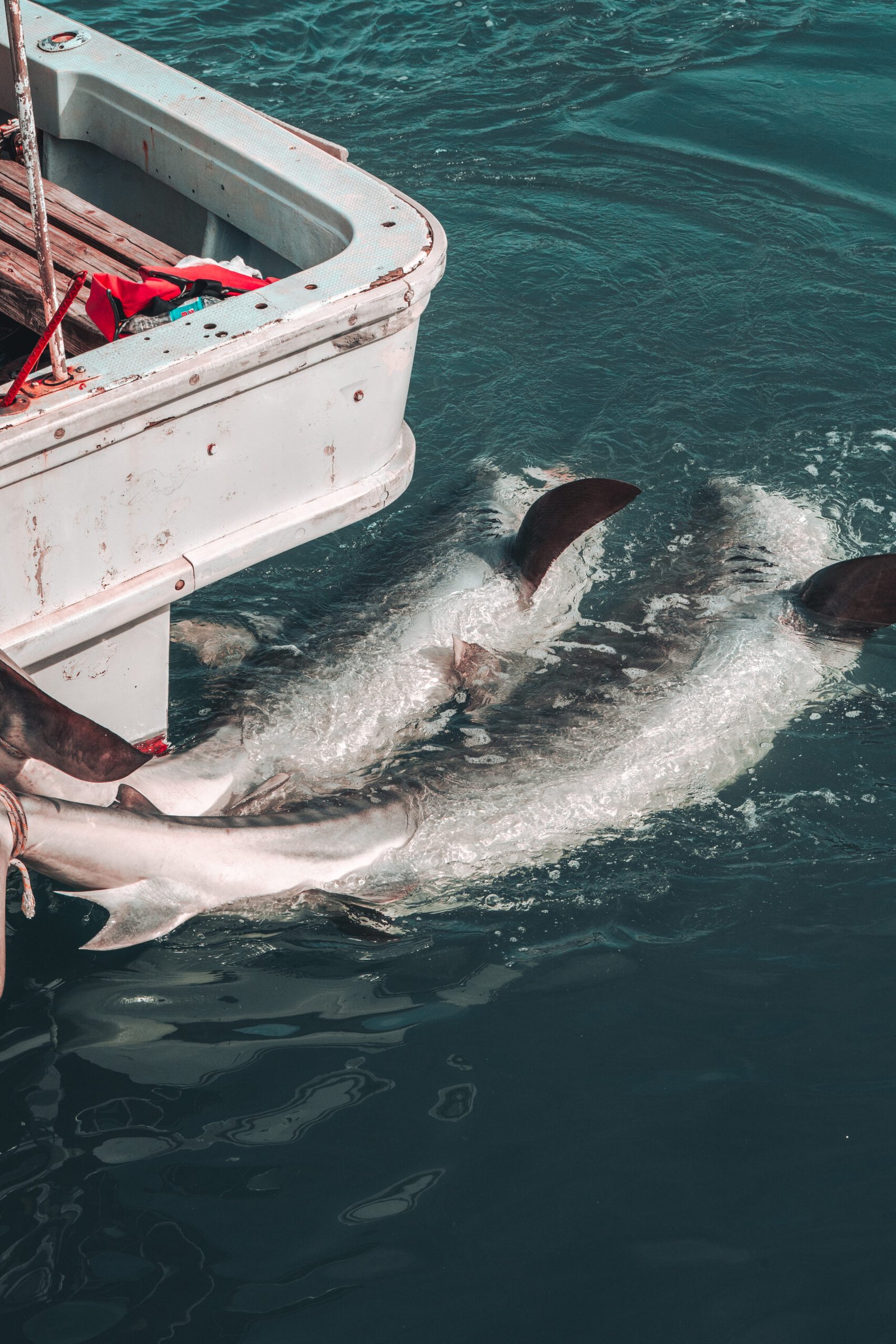
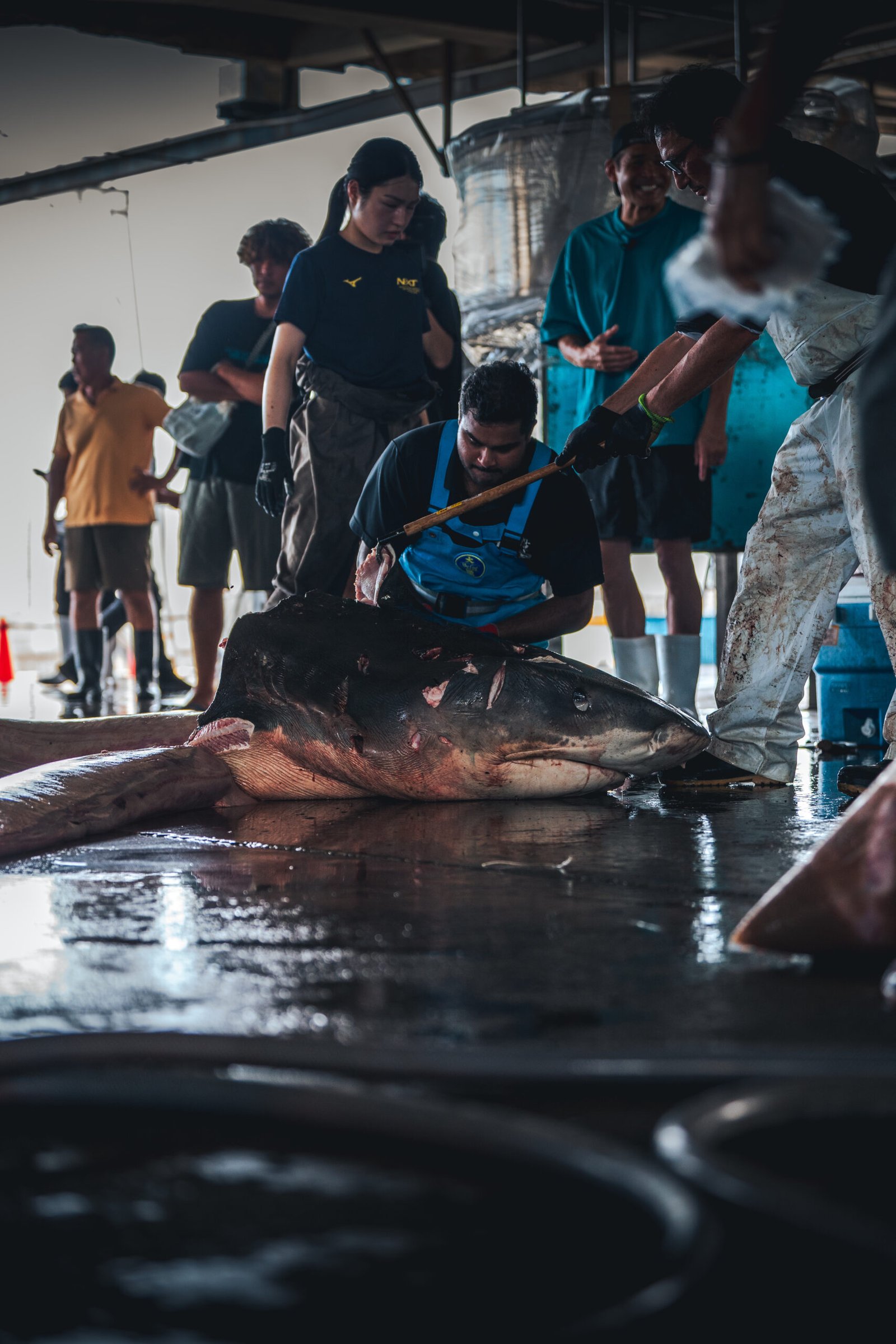
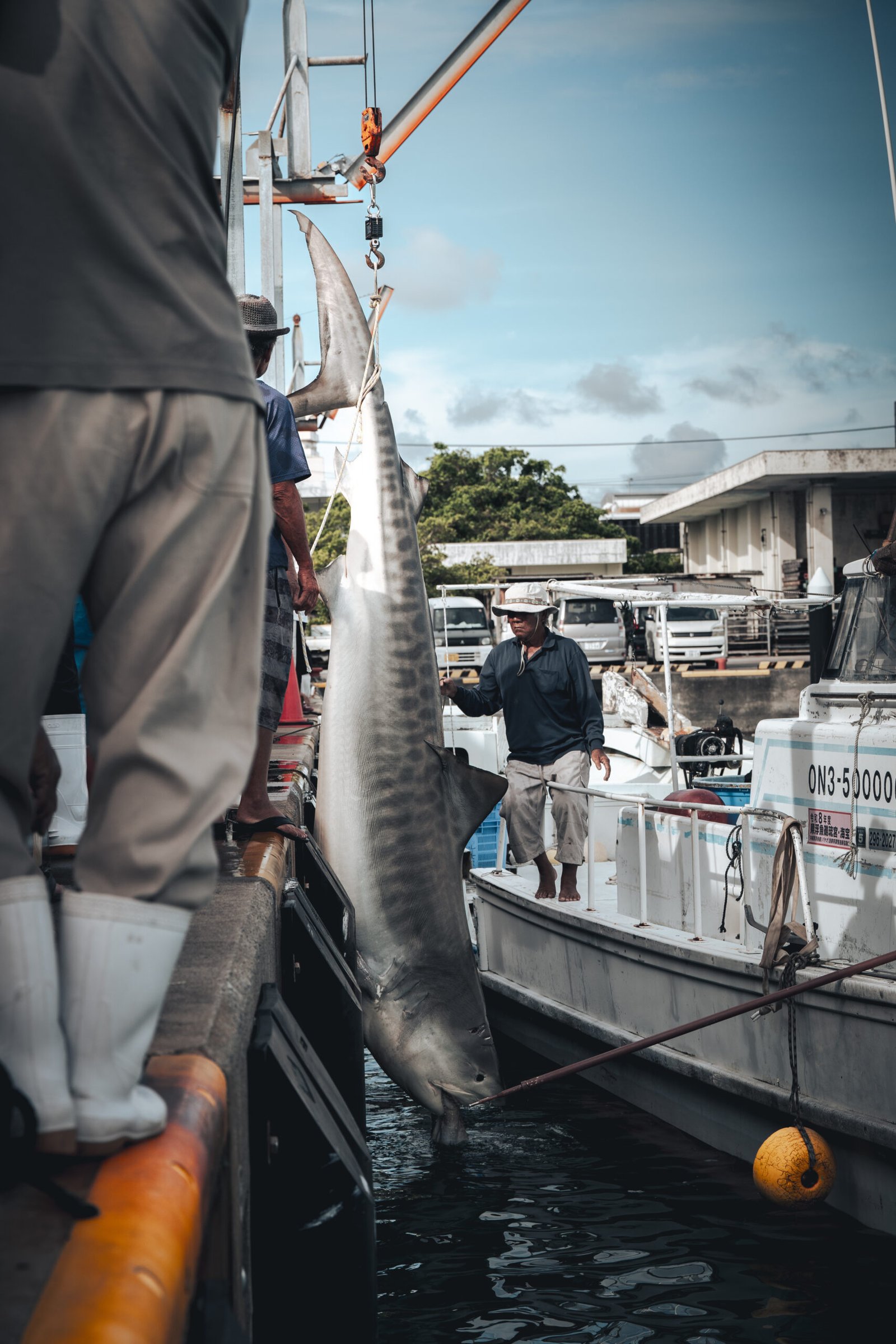
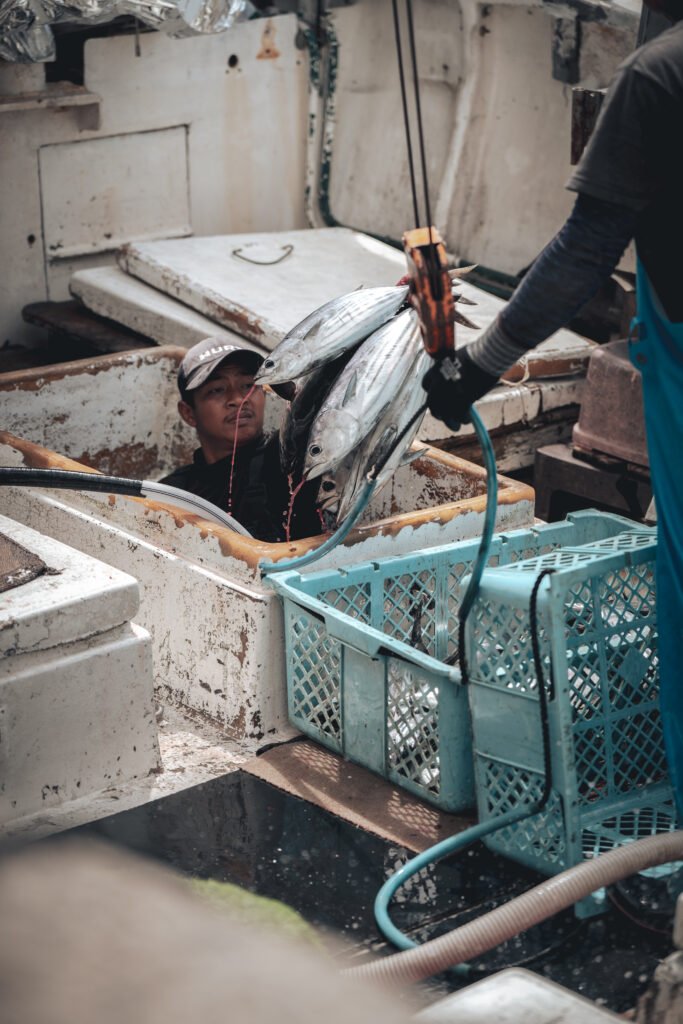
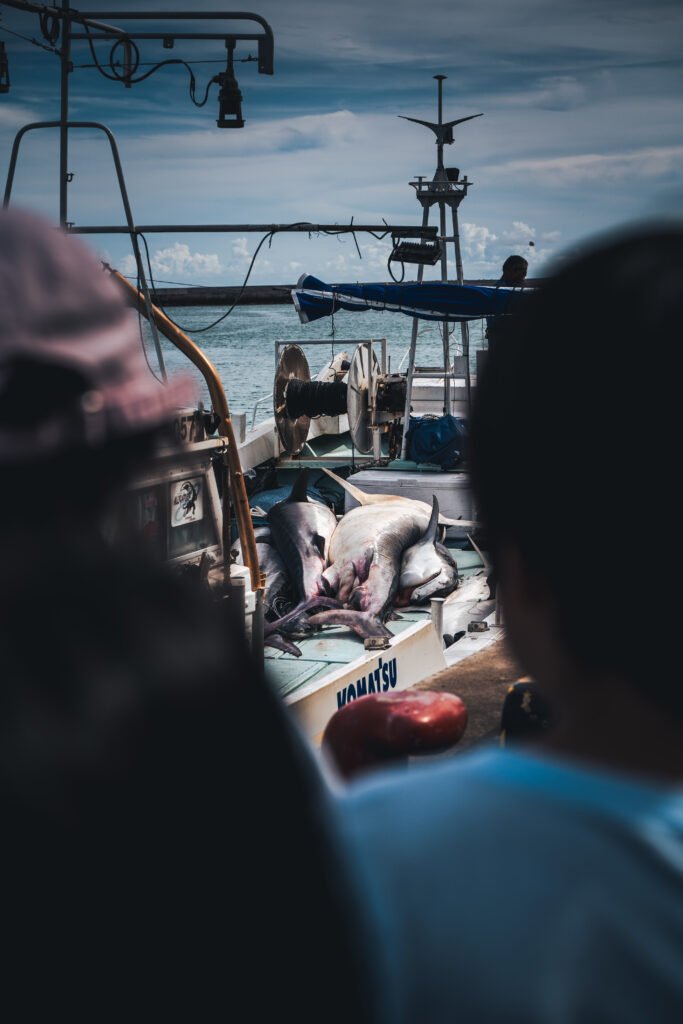
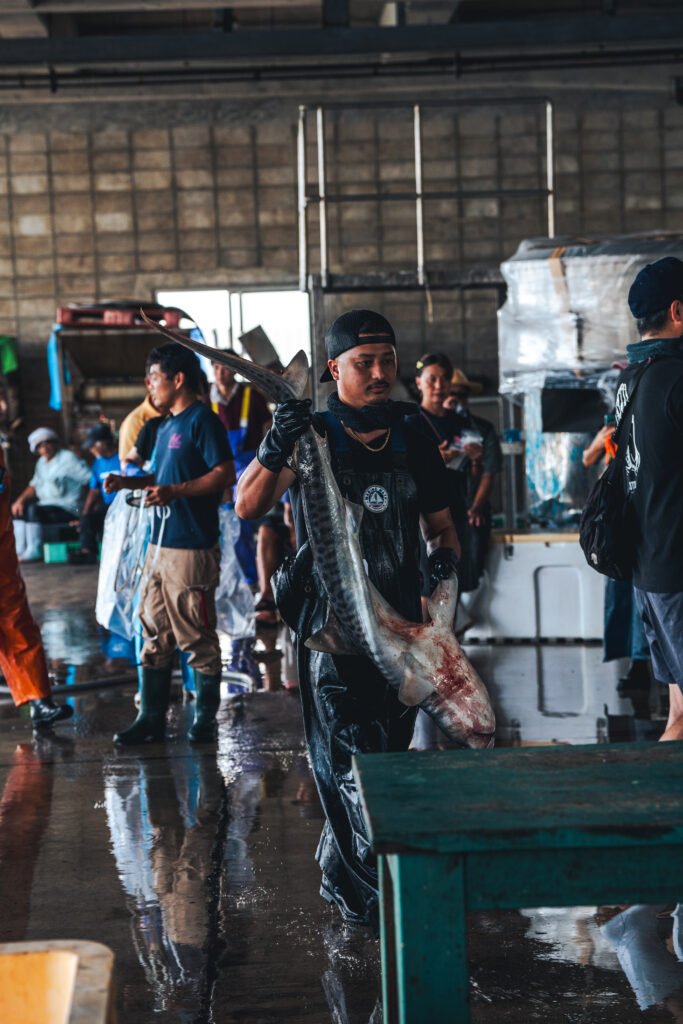
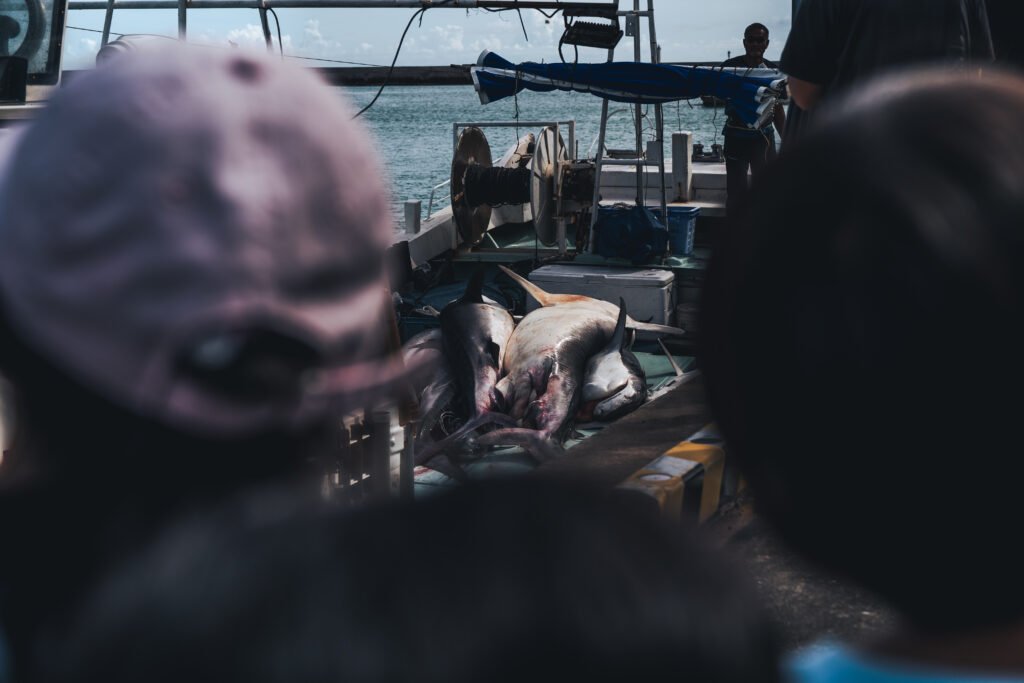
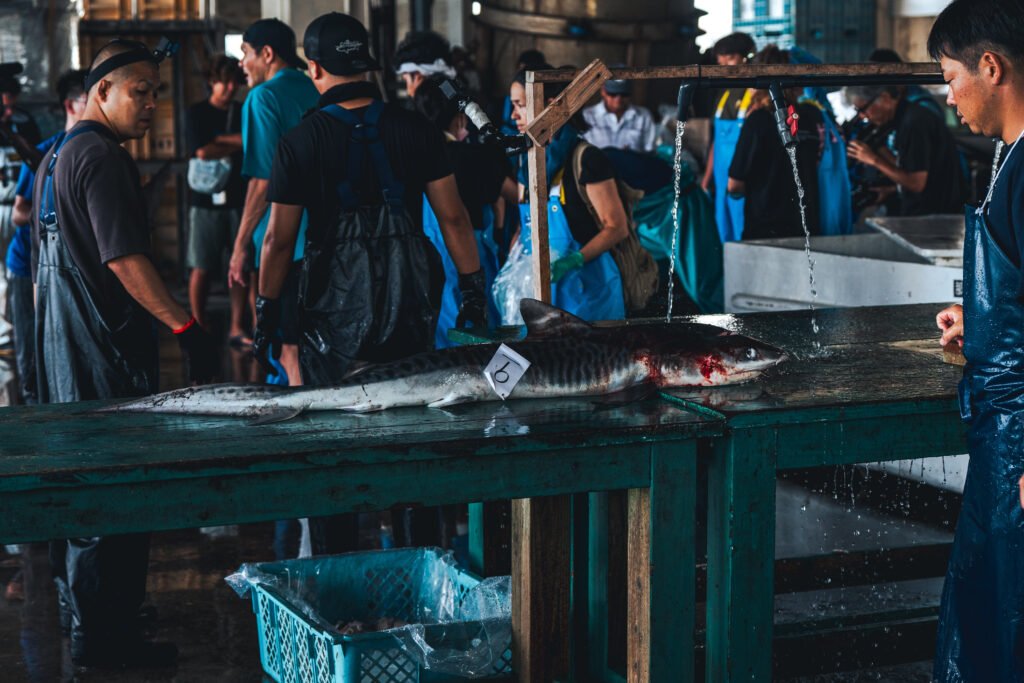
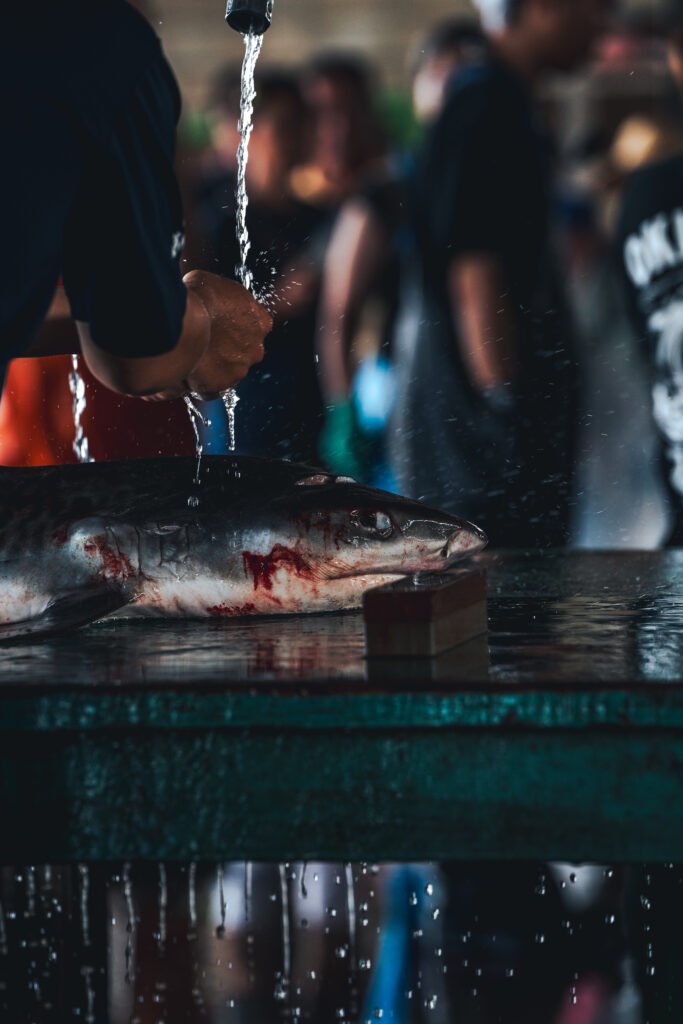
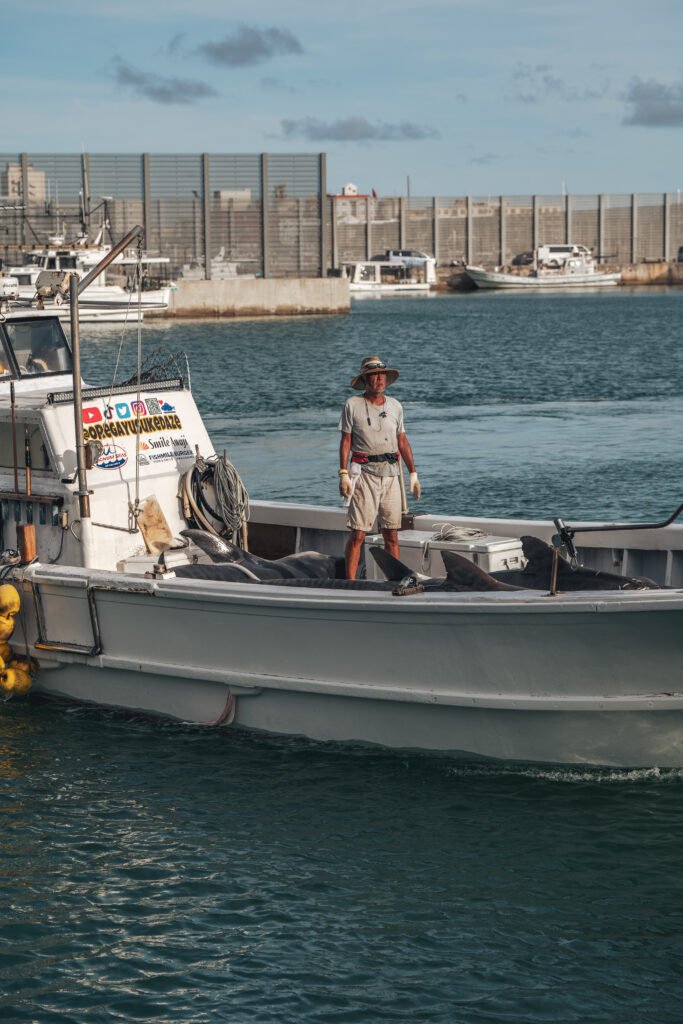
In this article, I’ll provide the context behind the annual shark hunting campaign carried out by fishermen in Japan’s Yaeyama Islands. The stated goal of this event is to reduce conflicts between sharks and local fisheries, as sharks can damage fishing gear and feed on fish before they are brought aboard. While the practice is well known within Okinawa, it remains largely unknown outside Japan.
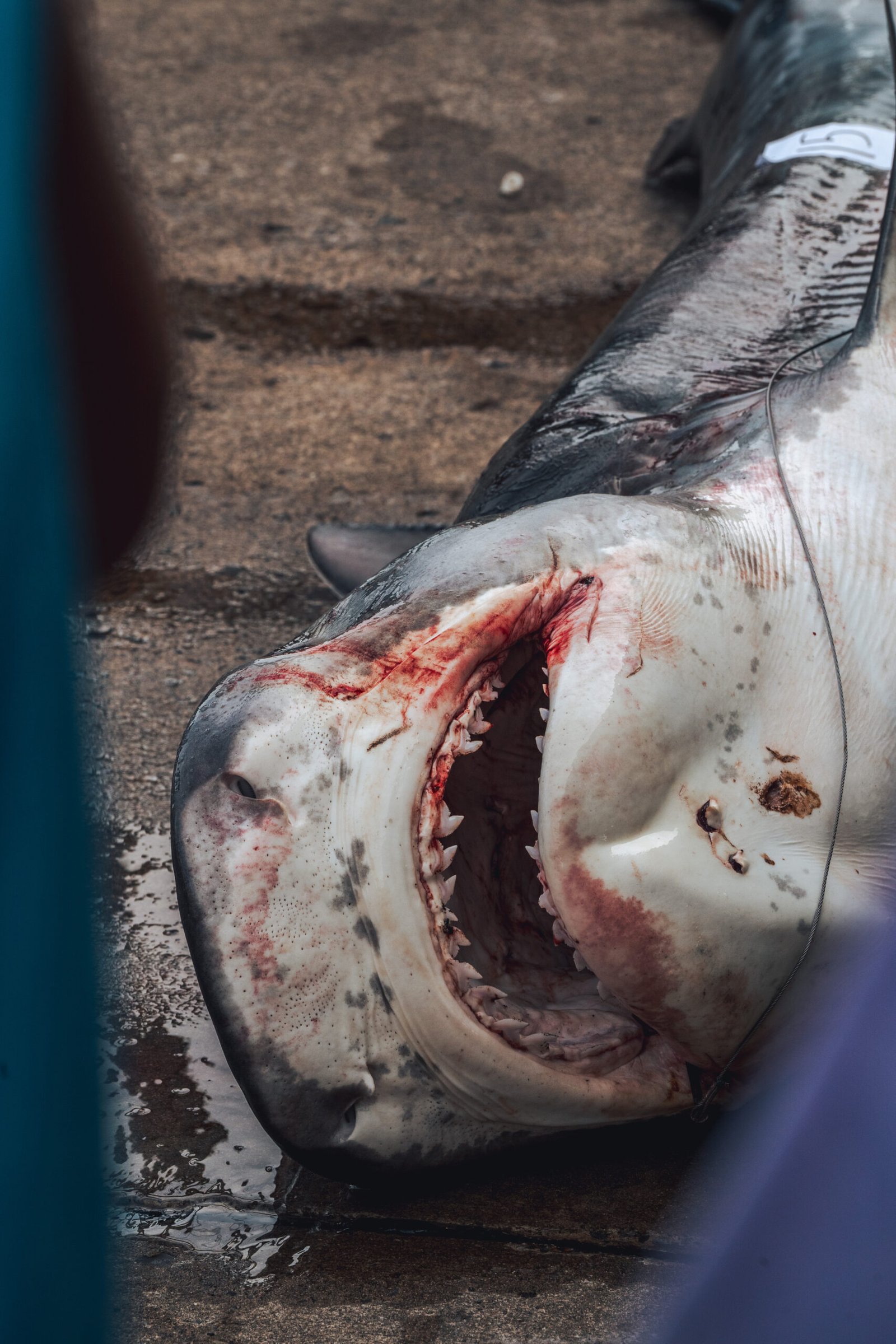
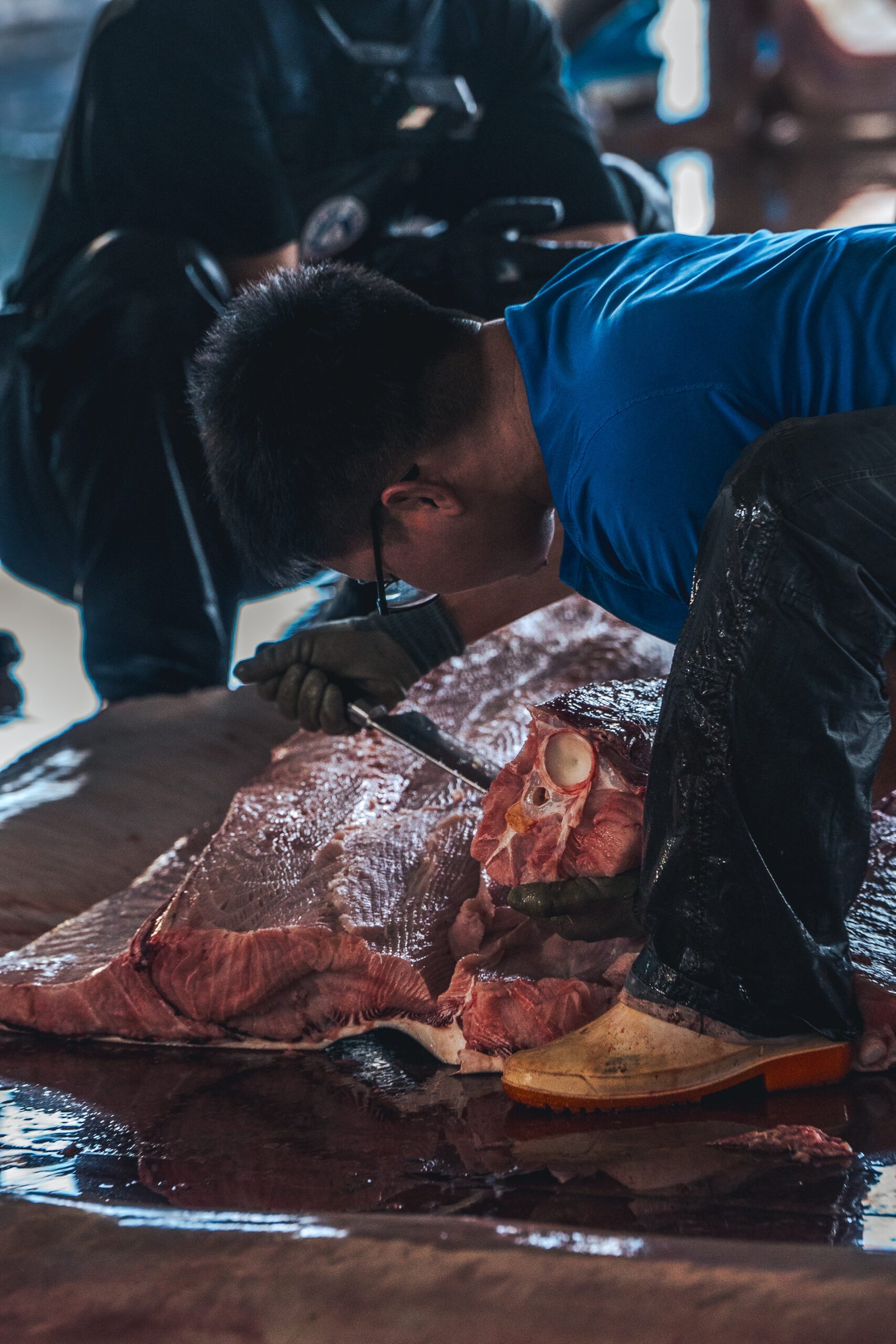
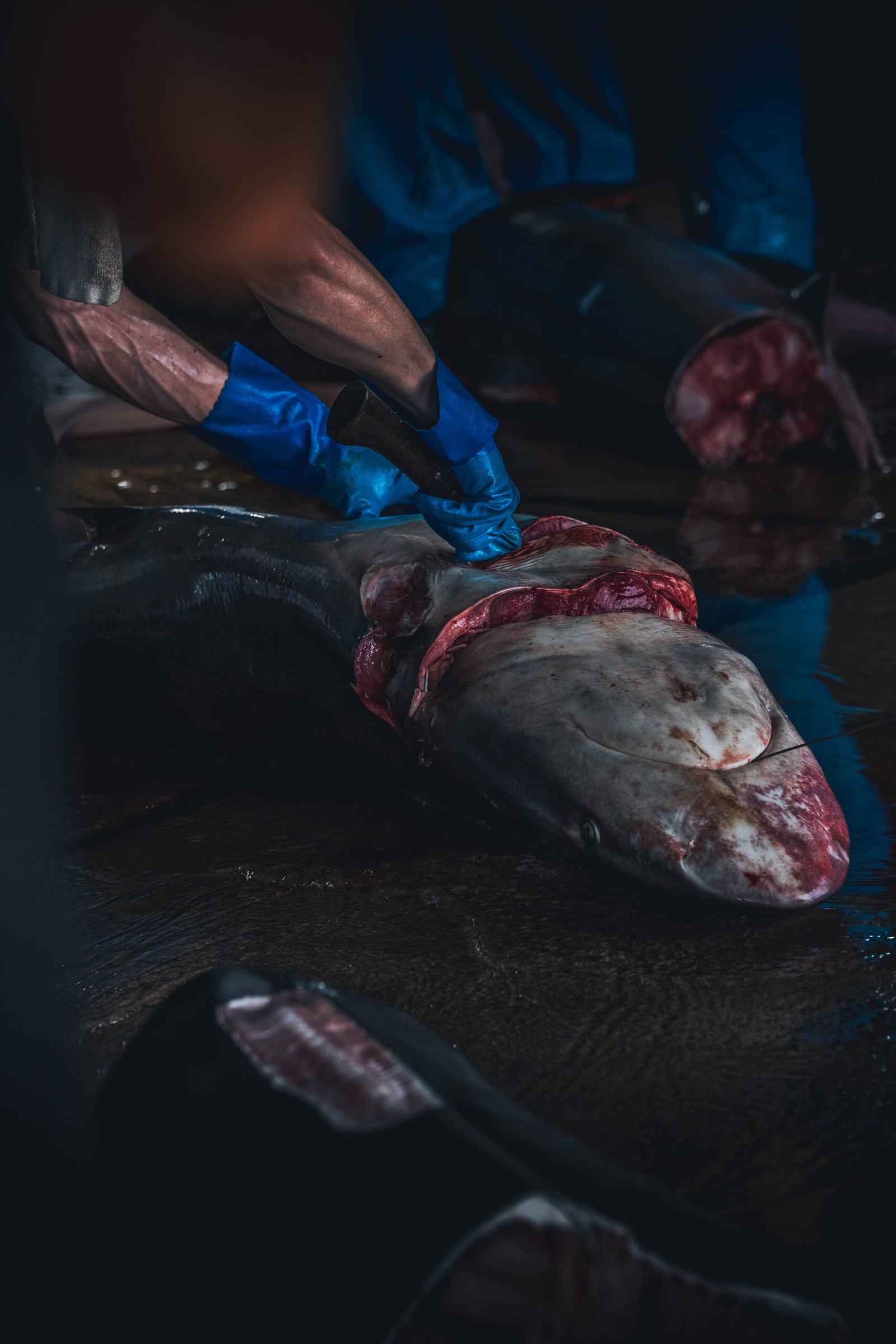
This report contains GRAPHIC IMAGES and explores the subject in greater depth than a typical social media post. Rather than presenting a single point of view, my goal is to document what I witnessed, explain the historical, cultural, ecological and economic context, and allow readers to better understand one of the region’s most controversial and least understood fishing practices.
I care deeply about sharks, and I believe they belong in the ocean, not on a dock. At the same time, I don’t believe complex issues can be understood through emotion alone. This report is my attempt to document what I witnessed, explore the reasons behind this annual event, and provide the context that allows readers to form an informed opinion based on facts rather than assumptions.
Location: Ishigaki Island
Camera: Sony a7III
Lenses: Sigma 35mm f1.4 + Sony 70-200 f2.8 GM II
Chapter 1: ISHIGAKI ISLAND
Where Fishing Shaped an Island
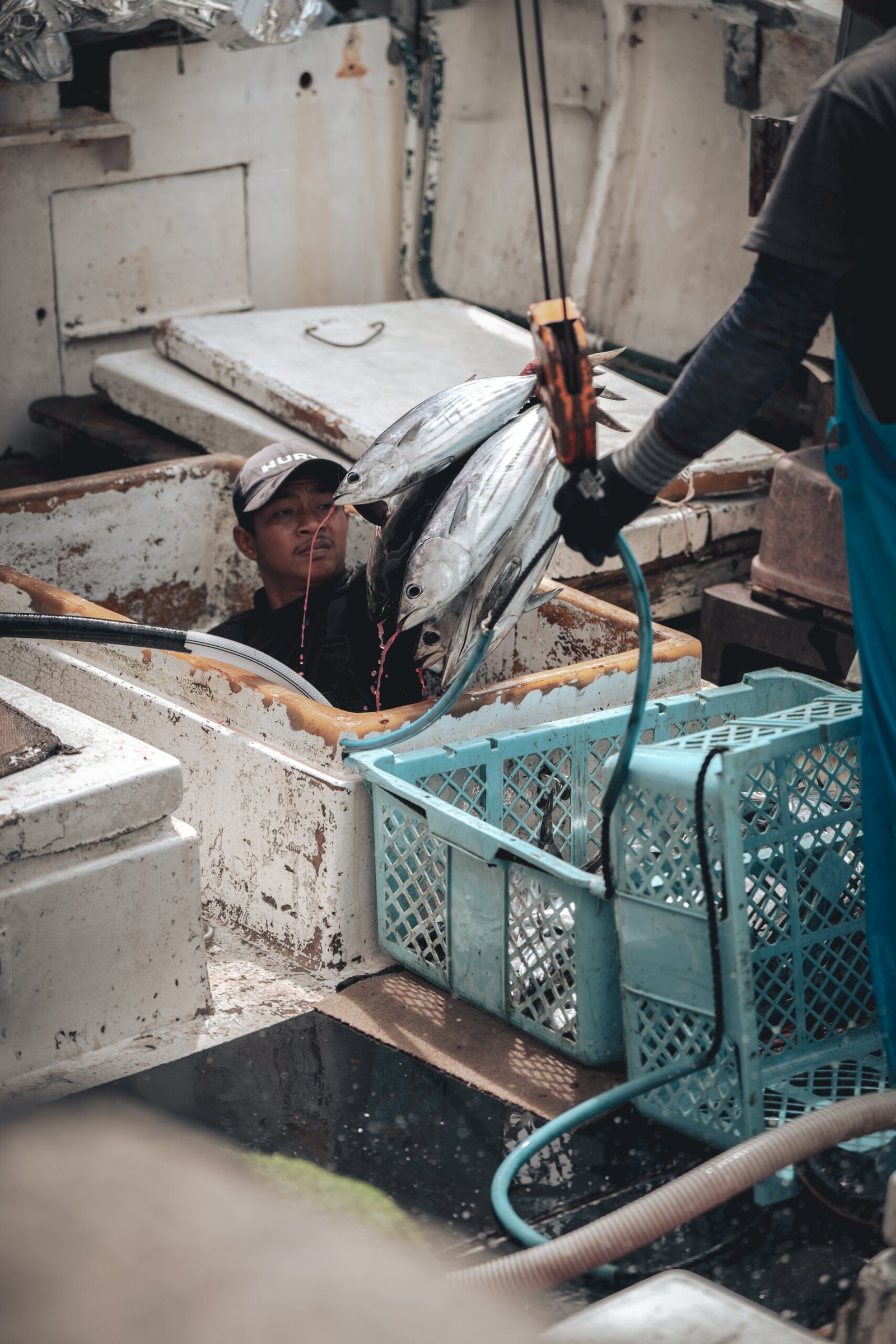
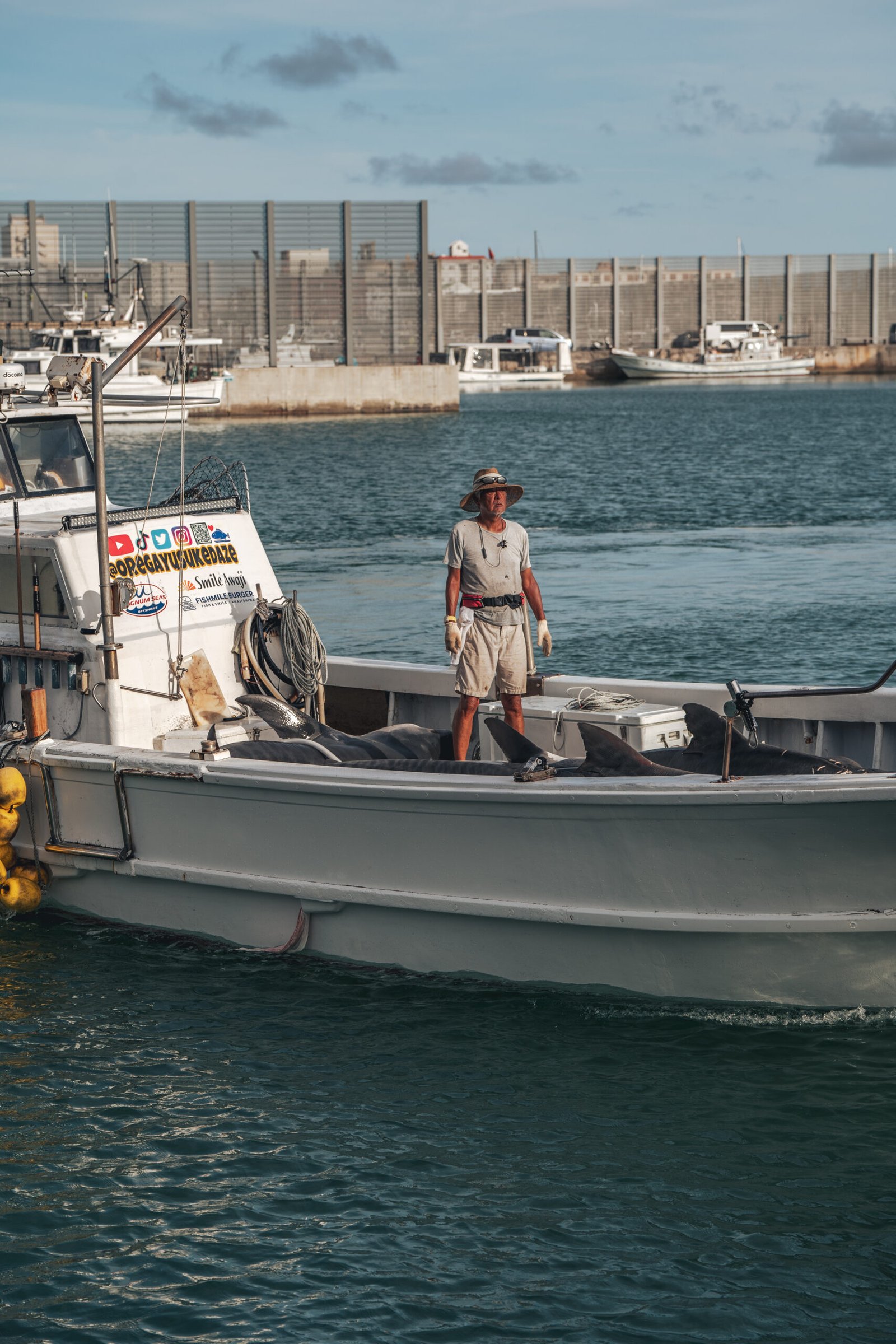
The fishermen of Ishigaki have historically played an important role in organizing maritime activity around the island. Their knowledge of local waters and their experience with the port system have given them a strong influence over how boats are managed, how harbor space is used, and how the community responds to events such as typhoons and local activities.
However, this traditional influence has also created challenges. As Ishigaki’s relationship with the ocean continues to evolve, decisions around the use and management of its waters must balance the interests of fishing communities with those of conservation, tourism, and other local activities. The future of the island’s seas depends on finding a balance between preserving traditional knowledge and adapting to new realities.








Chapter 2: The Root of the Conflict
When natural behaviour becomes a human–wildlife conflict
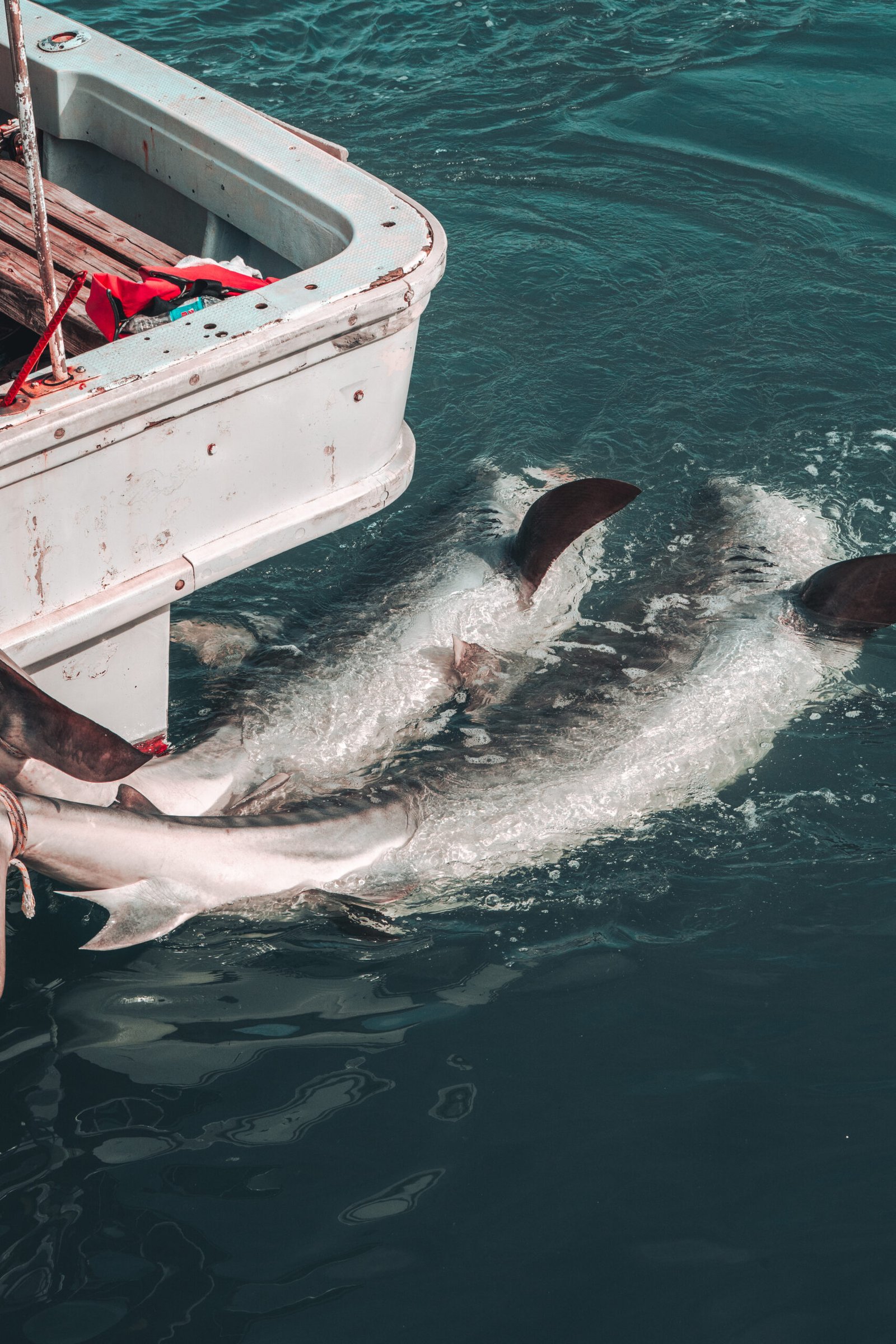
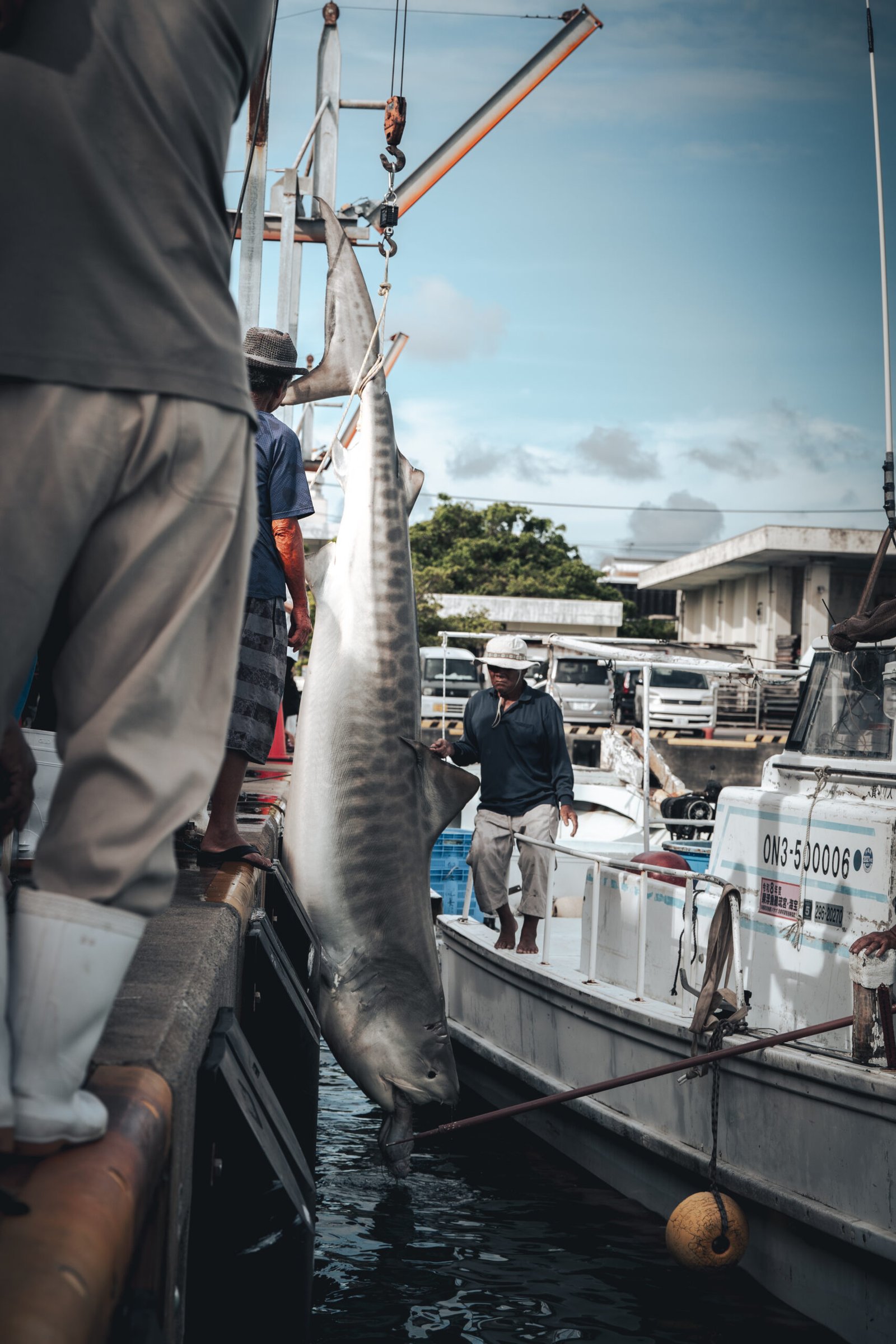
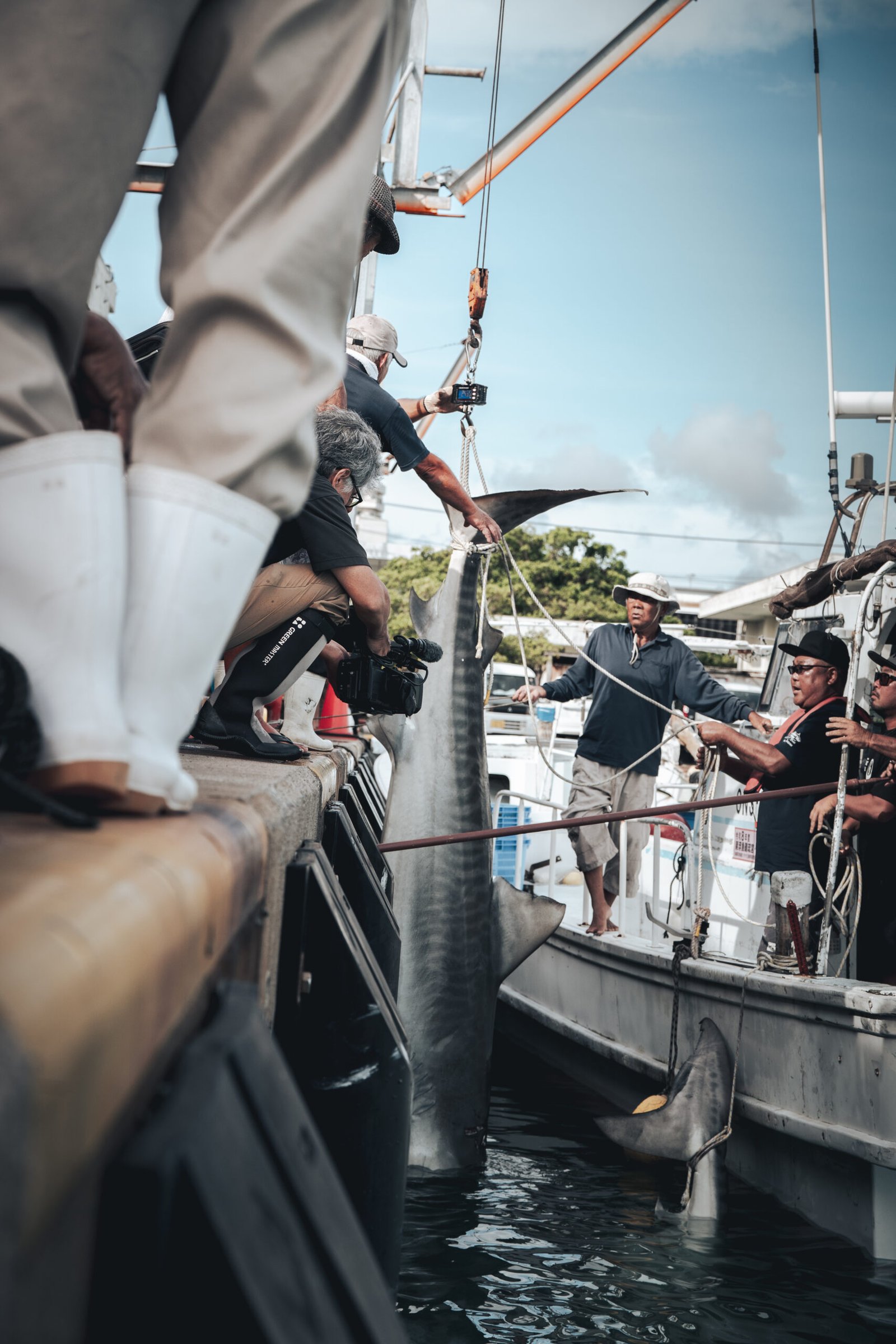
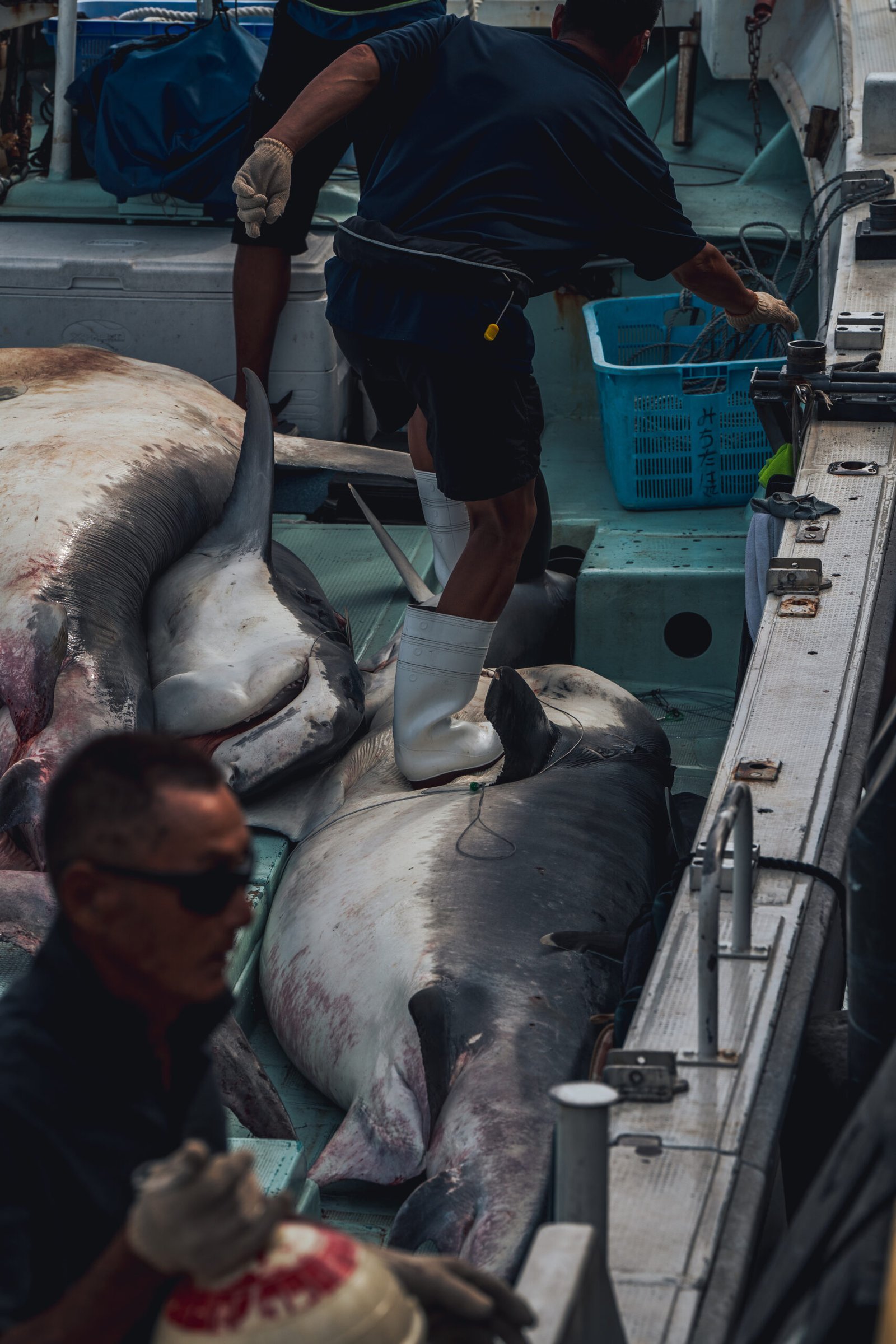
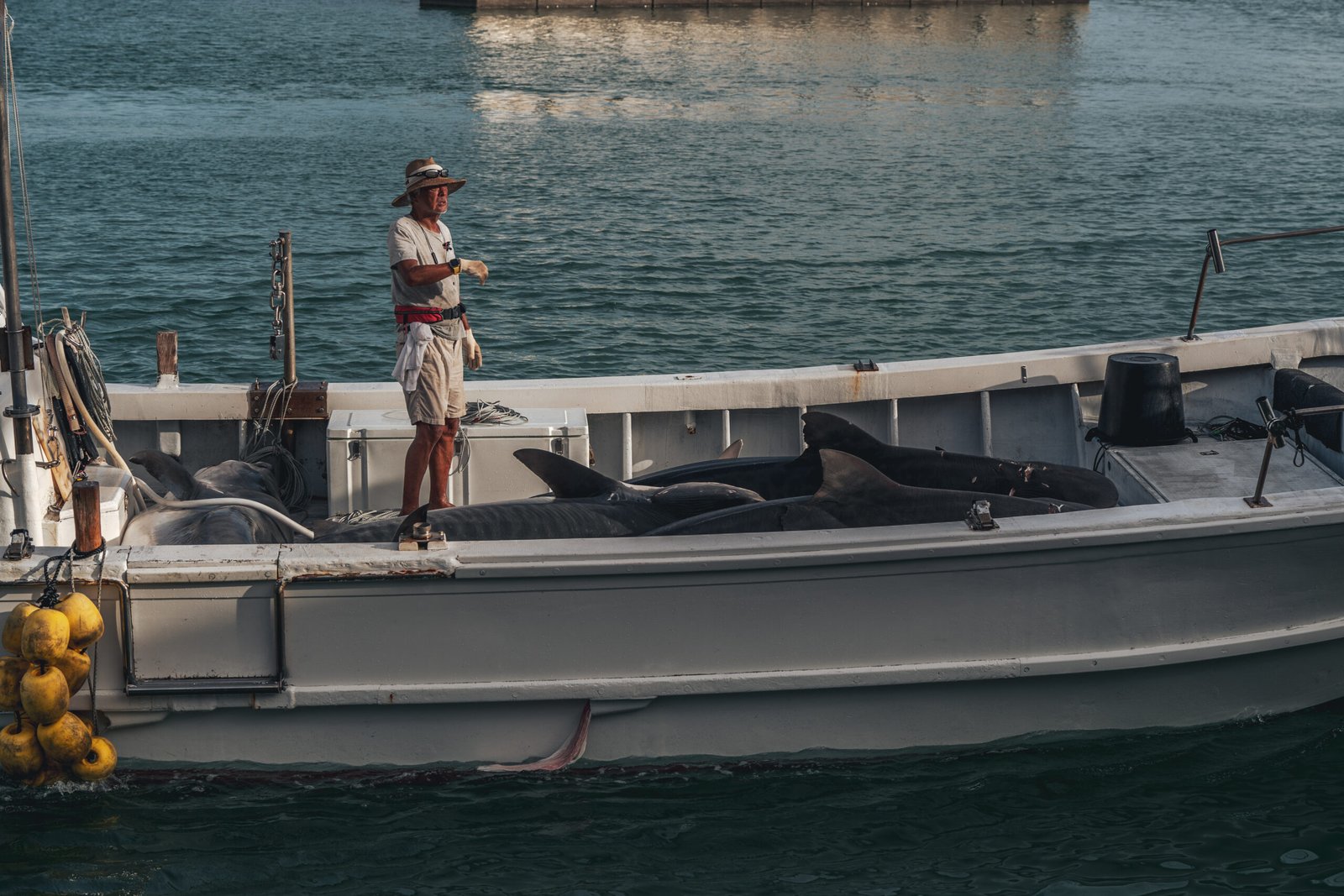
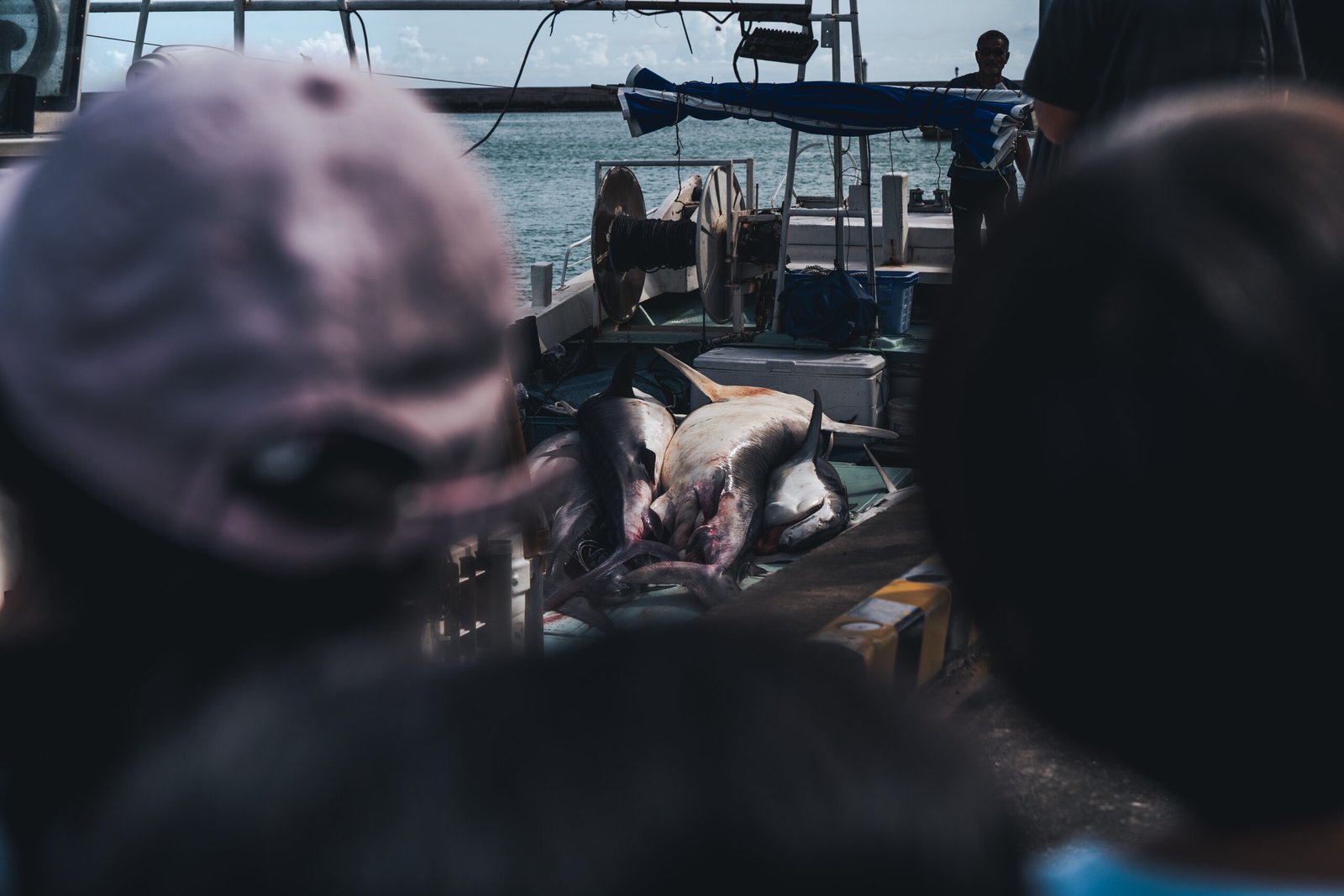
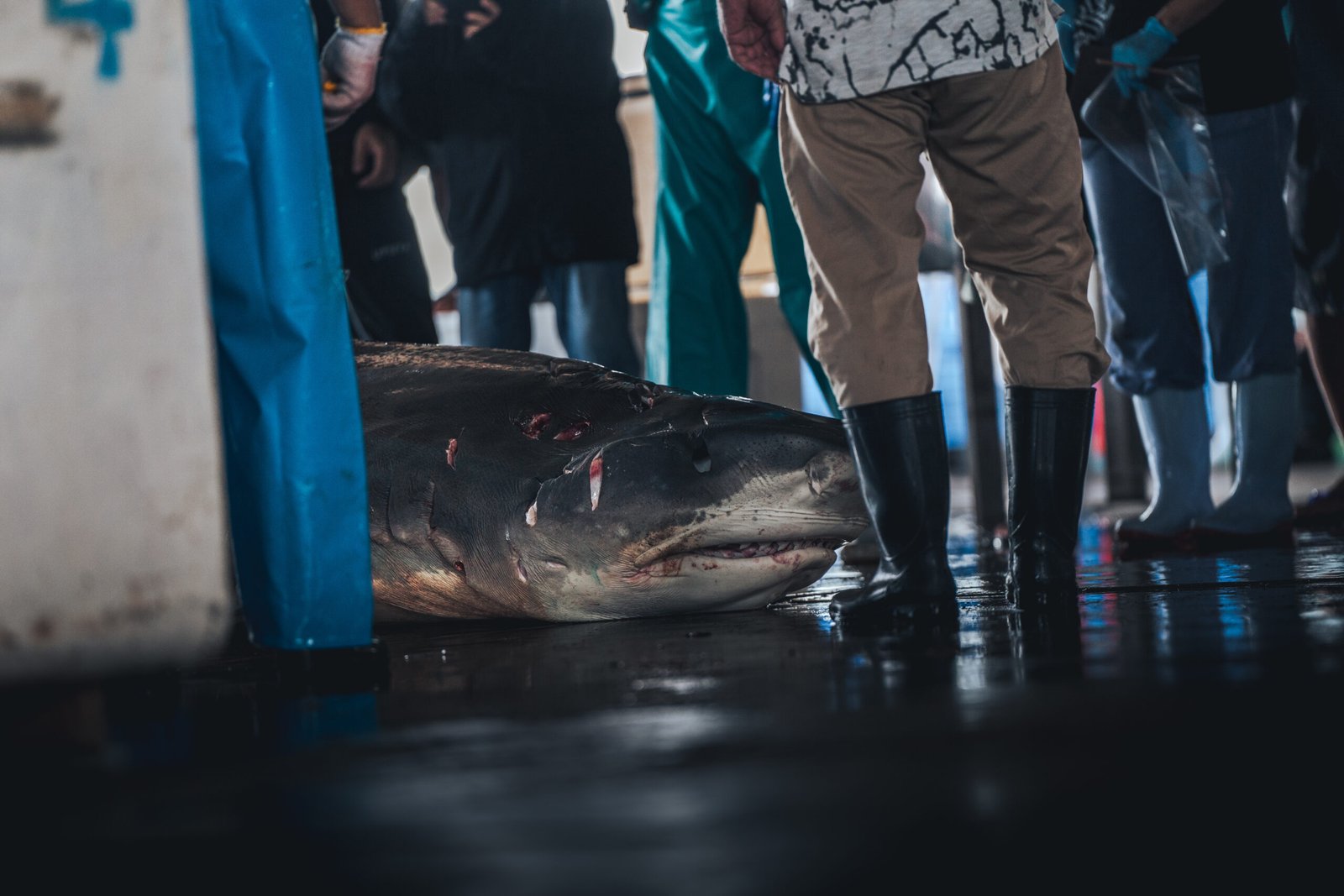
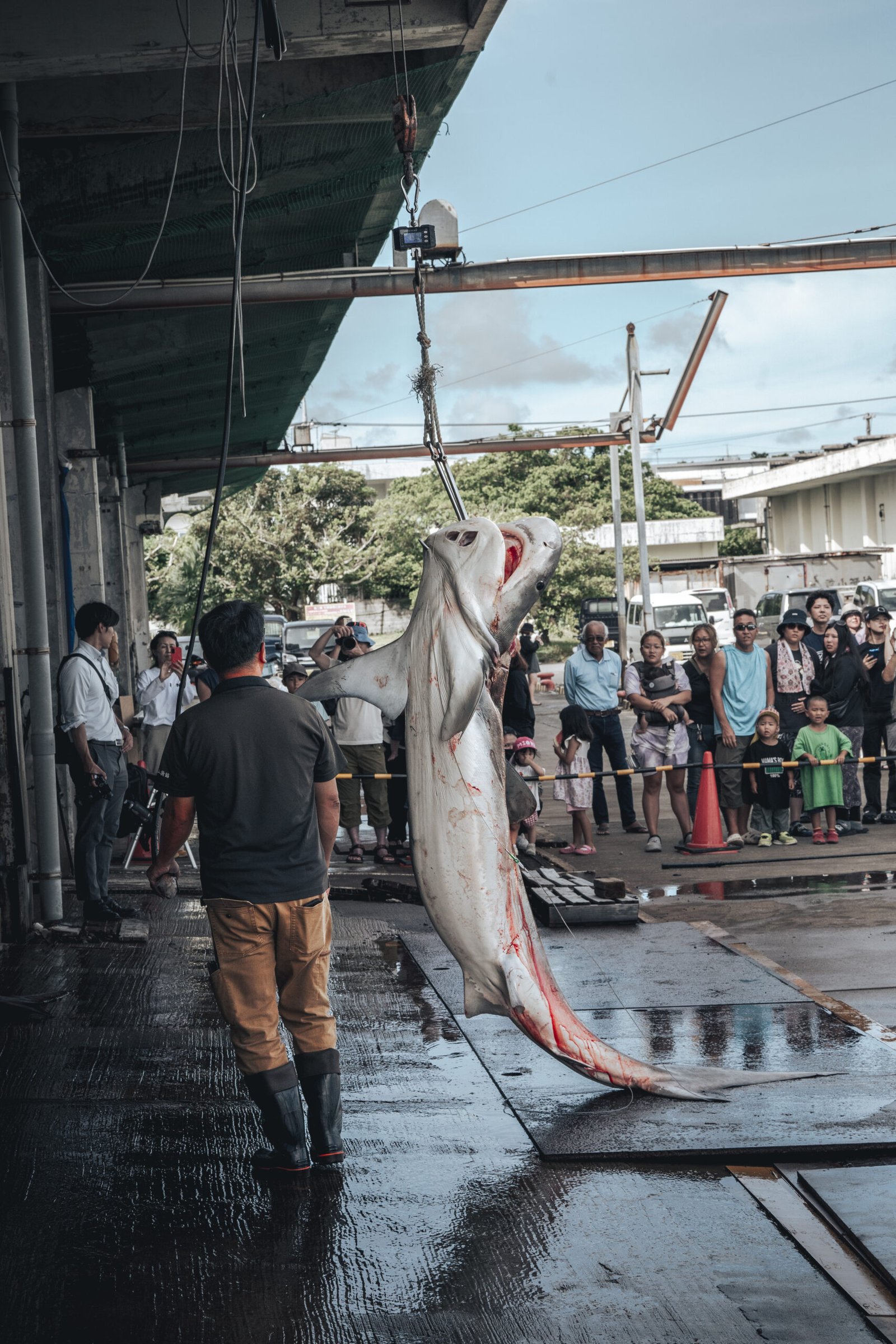
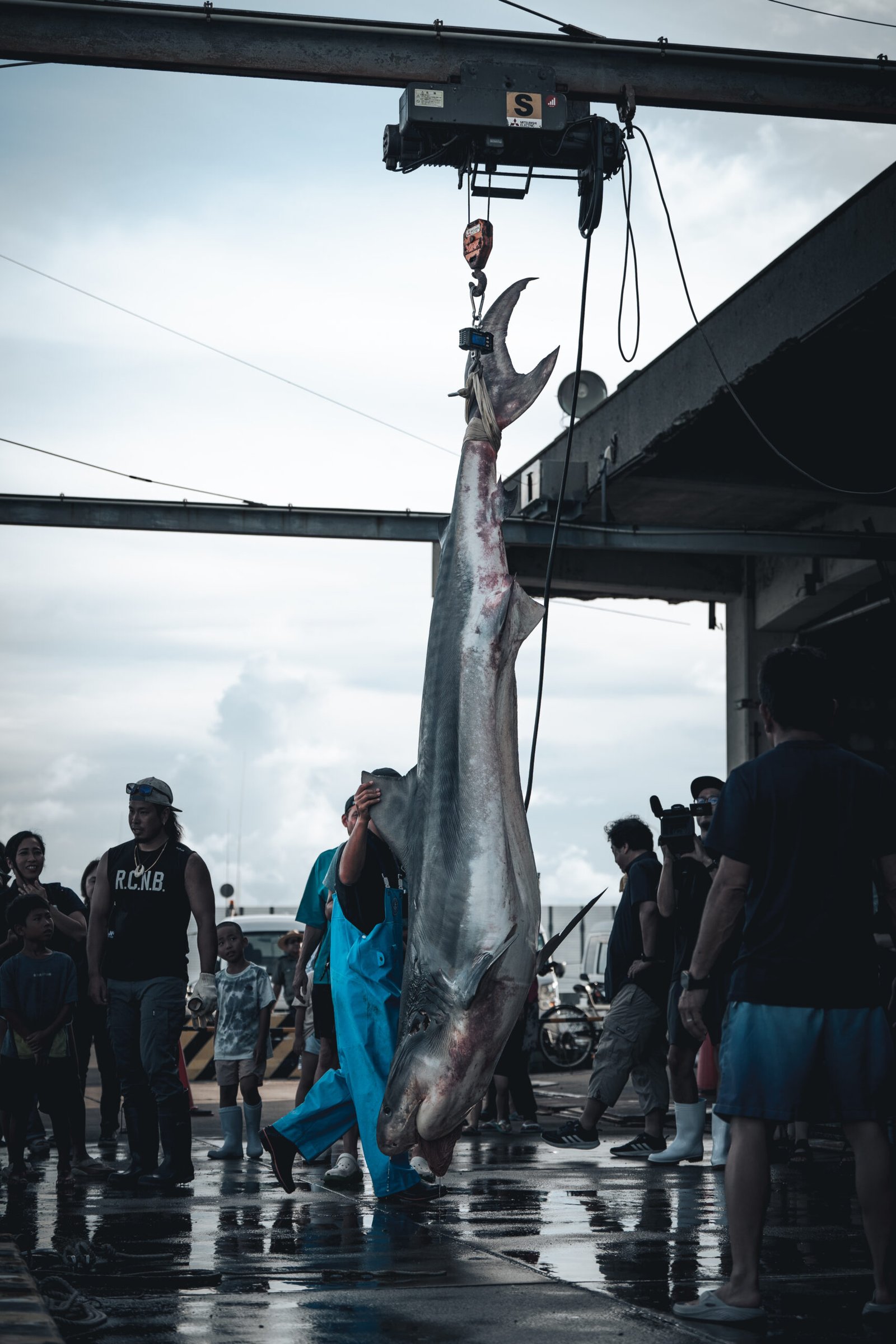
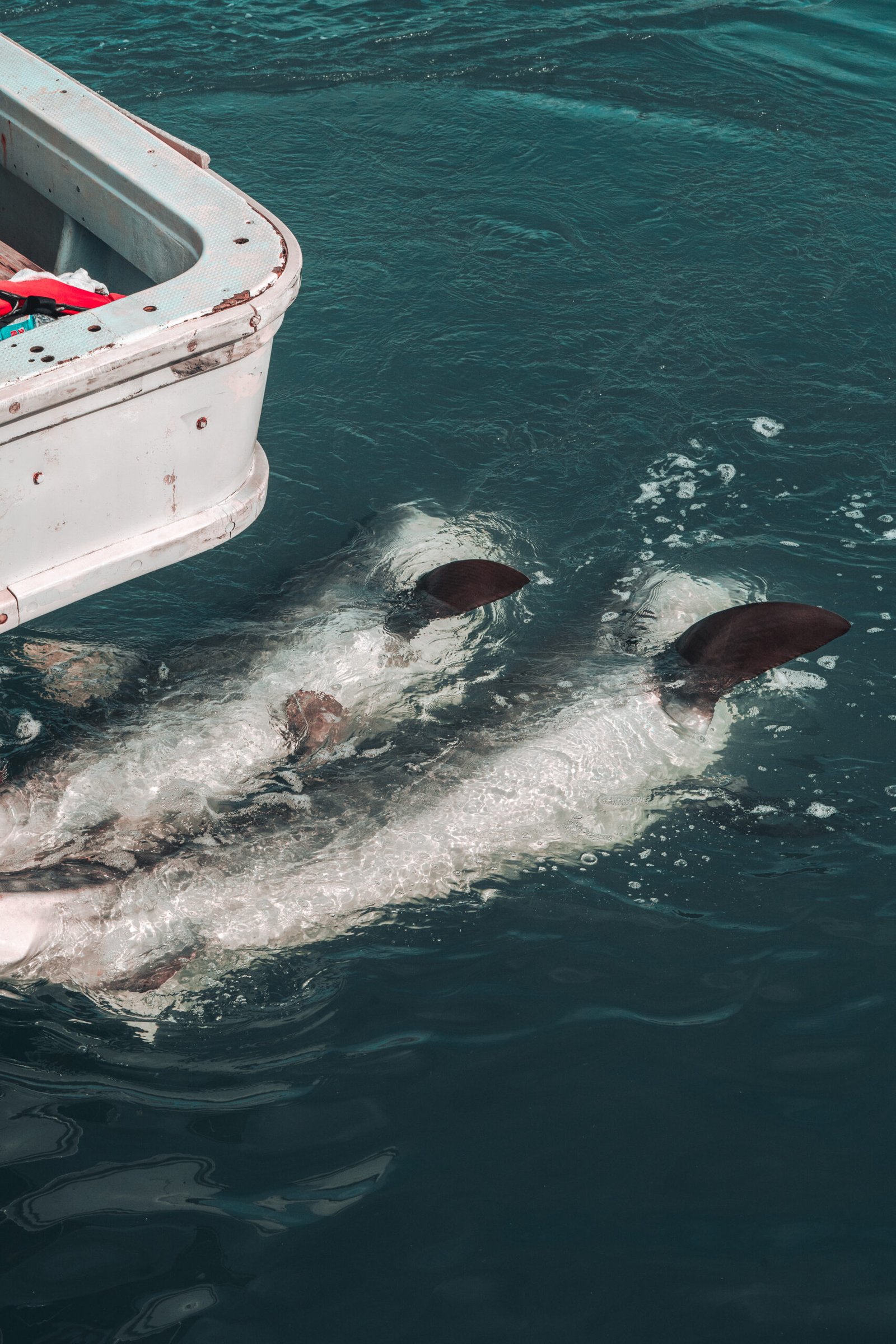
Fishery depredation the consumption of catches by predators before fishermen can retrieve them is a well-documented conflict in fisheries worldwide. For tiger sharks, taking hooked fish is an energy-efficient strategy, requiring less effort and risk than hunting free-swimming prey.
For small-scale fishermen, however, these interactions create economic losses. They may lose the fish itself, as well as hooks, fishing line, and valuable working time.
Nevertheless, shark culling is not a simple solution. Because tiger sharks have large movements and an important ecological role, removing individuals may only provide a temporary reduction in encounters. The challenge is finding ways to protect fishermen’s livelihoods while maintaining marine ecosystem balance.
However, this argument fails to consider the real context of shark presence in these waters. There is no clear distinction between large predatory sharks and the small reef shark species commonly encountered by divers, creating a misleading perception of danger.
In reality, shark attacks in Okinawa are extremely rare, especially in the shallow coastal areas where most people swim and dive. The sharks regularly observed by divers are mainly reef-associated species, such as whitetip reef sharks and blacktip reef sharks, which pose virtually no threat to humans. Experienced local divers with more than 20 years of diving experience report never having seen, or even heard of regular sightings of tiger sharks (Galeocerdo cuvier) in recreational diving areas.


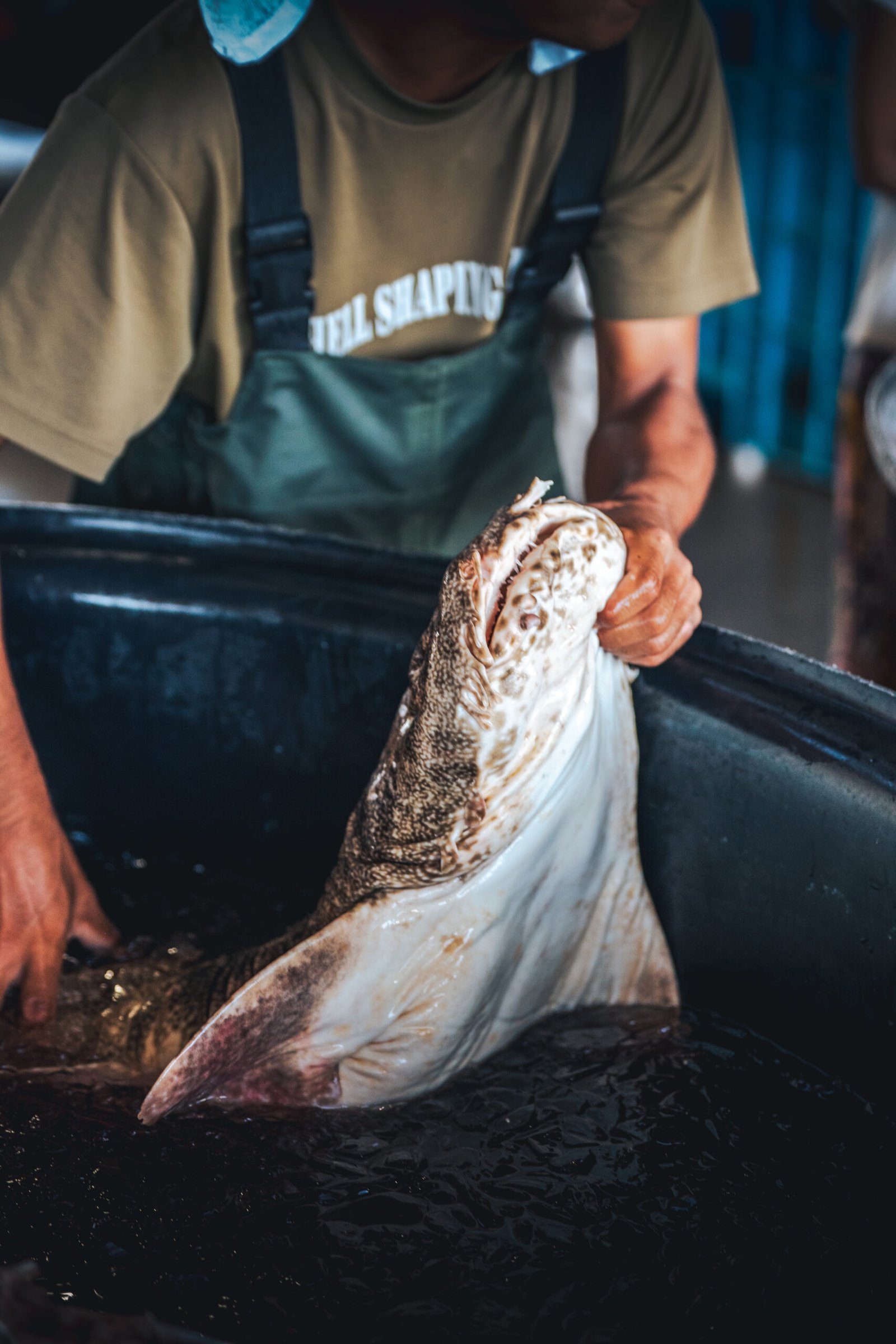
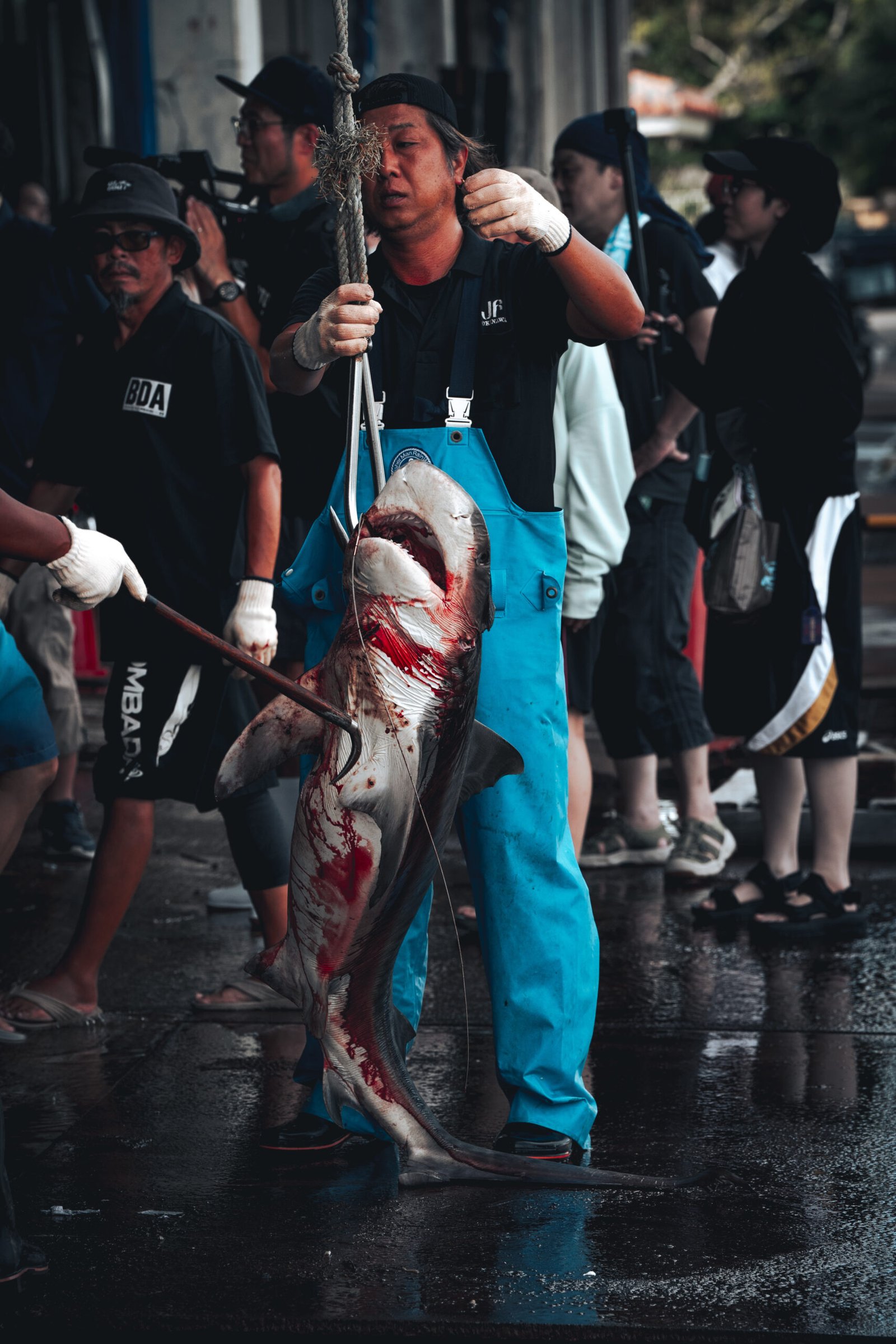
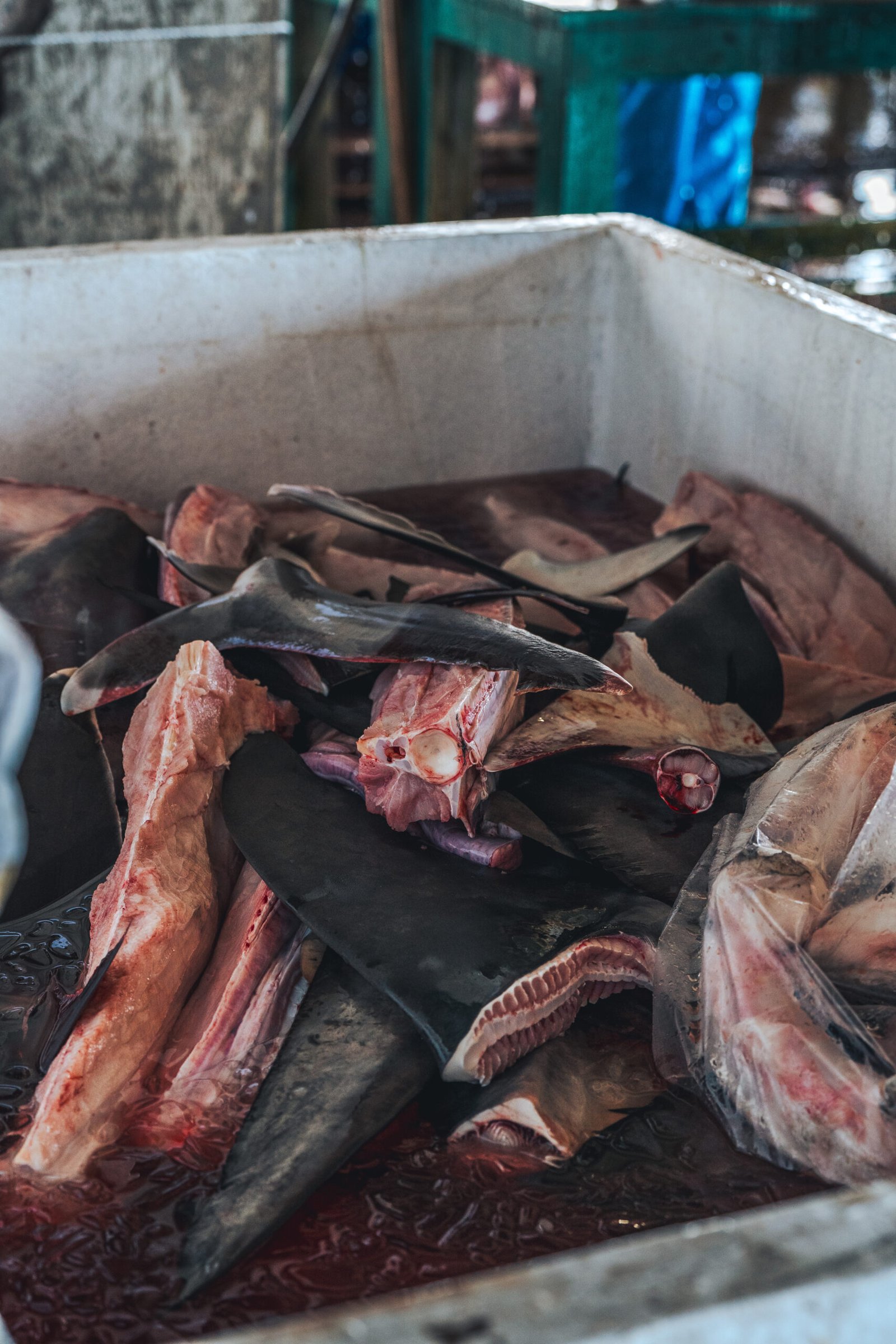
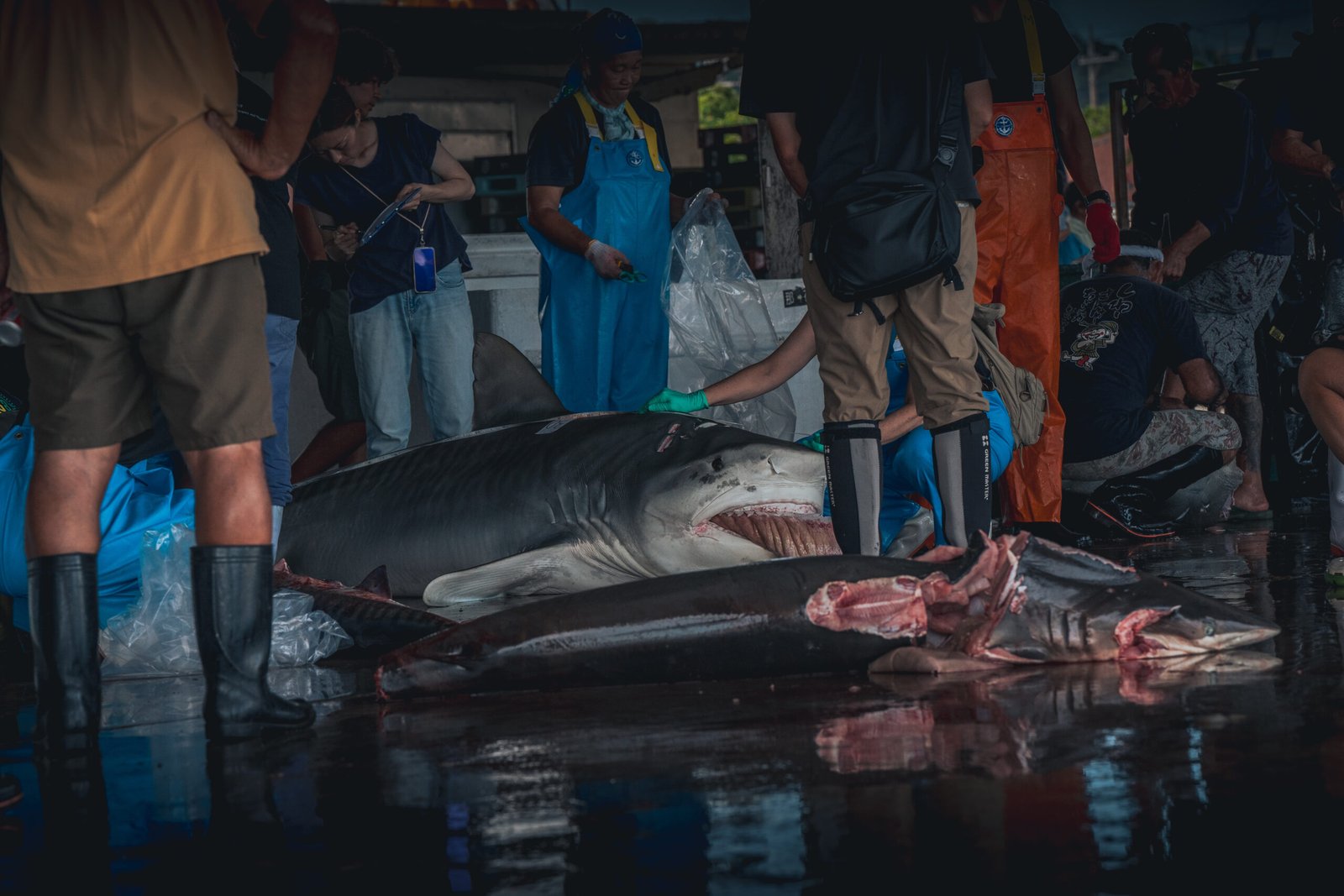


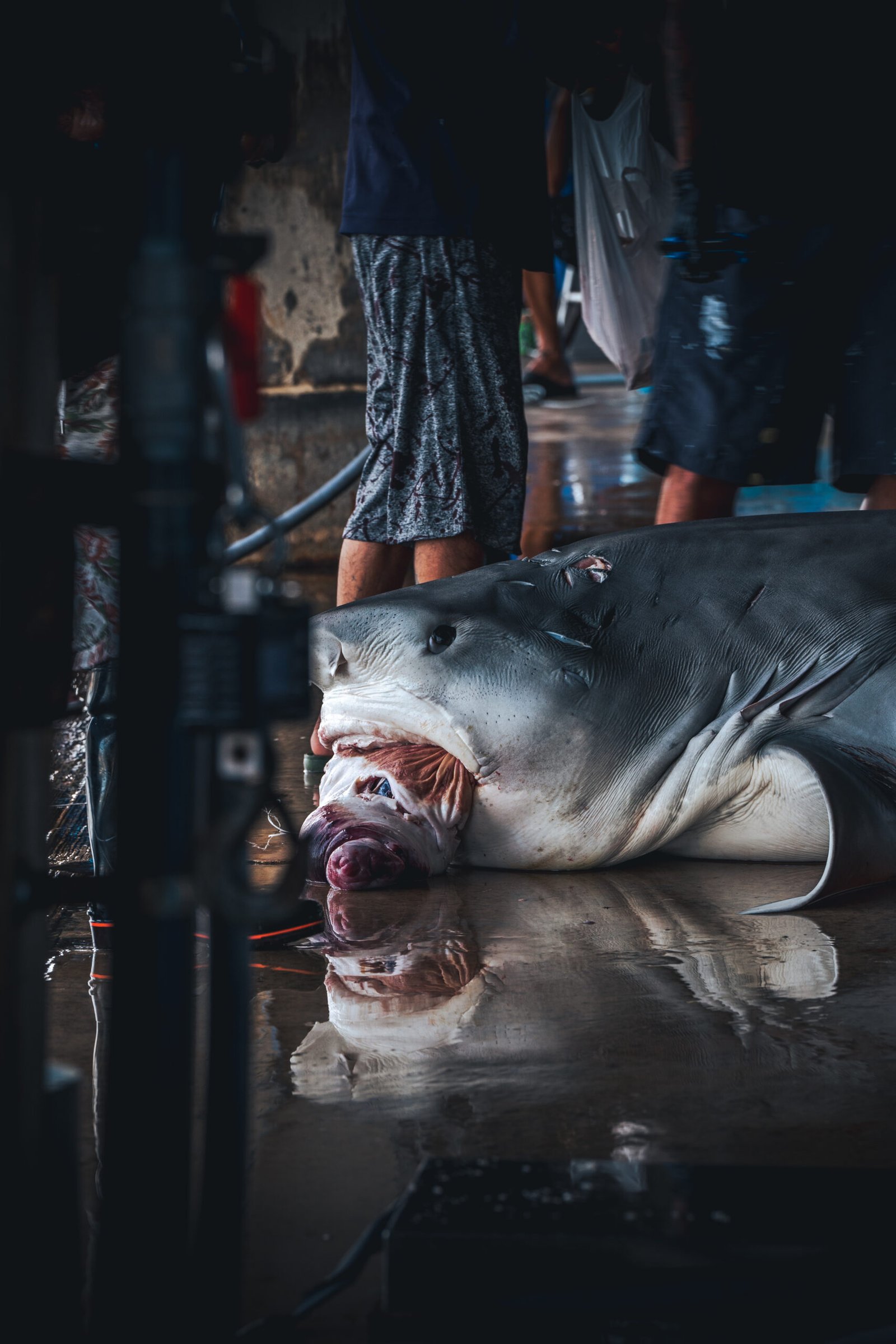
The sharks targeted during the Okinawa shark culling programs, particularly around the Yaeyama Islands, are mainly large species such as tiger sharks, which are captured because of their interactions with fishing activities and the economic losses they cause to fishermen. This highlights a key point: the argument of human safety and the reality of fisheries conflict are often mixed together, even though they involve completely different situations and different shark species.
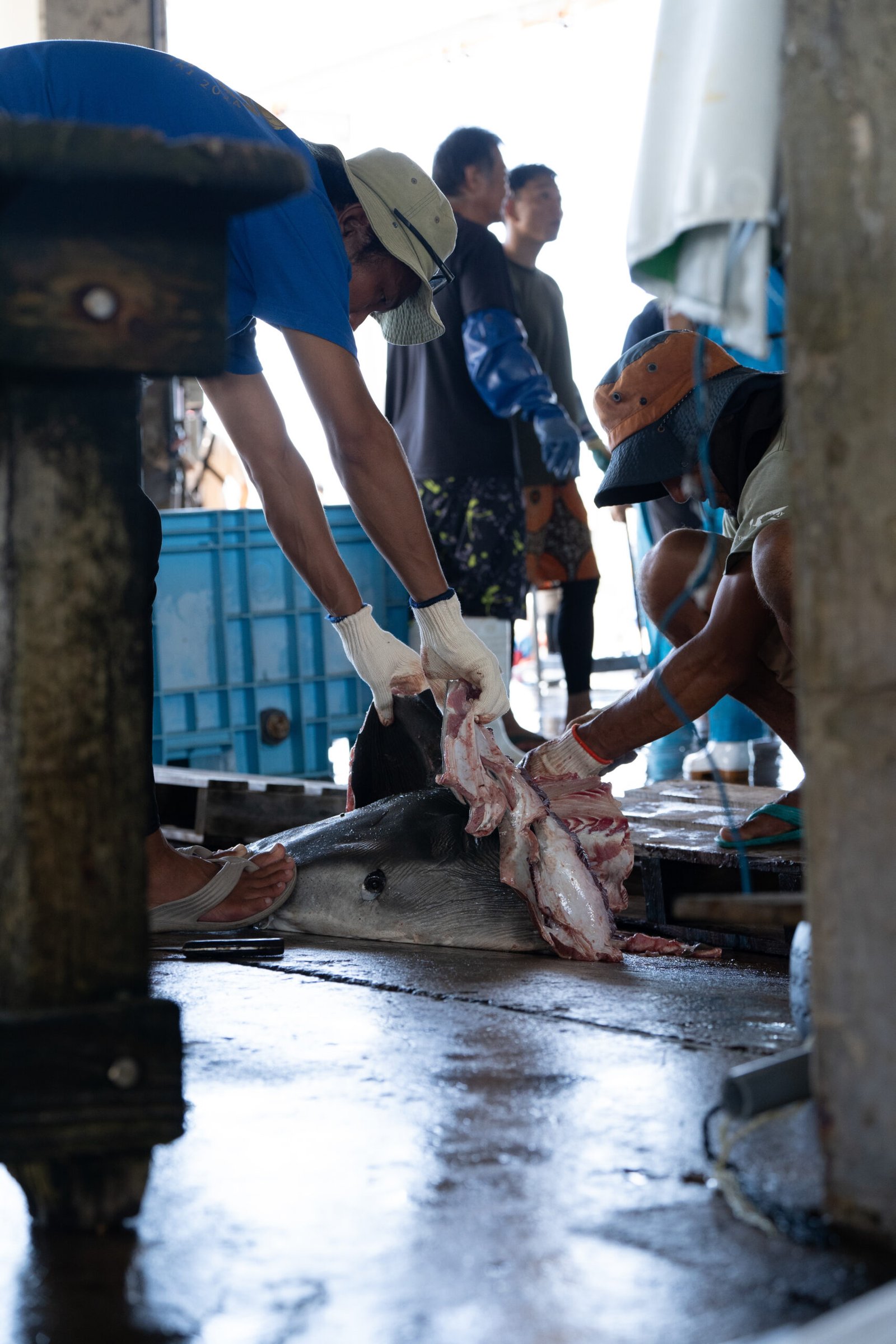
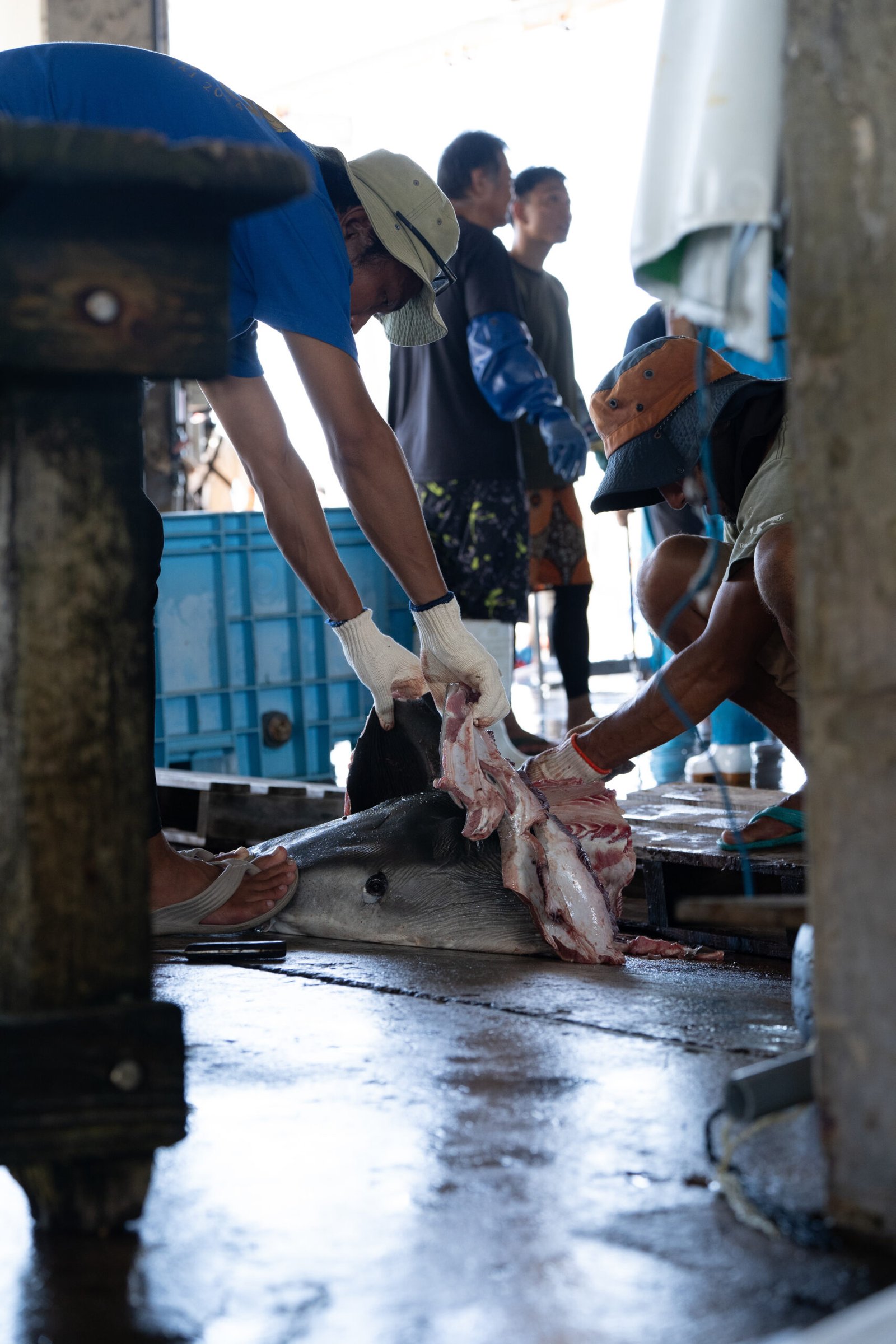
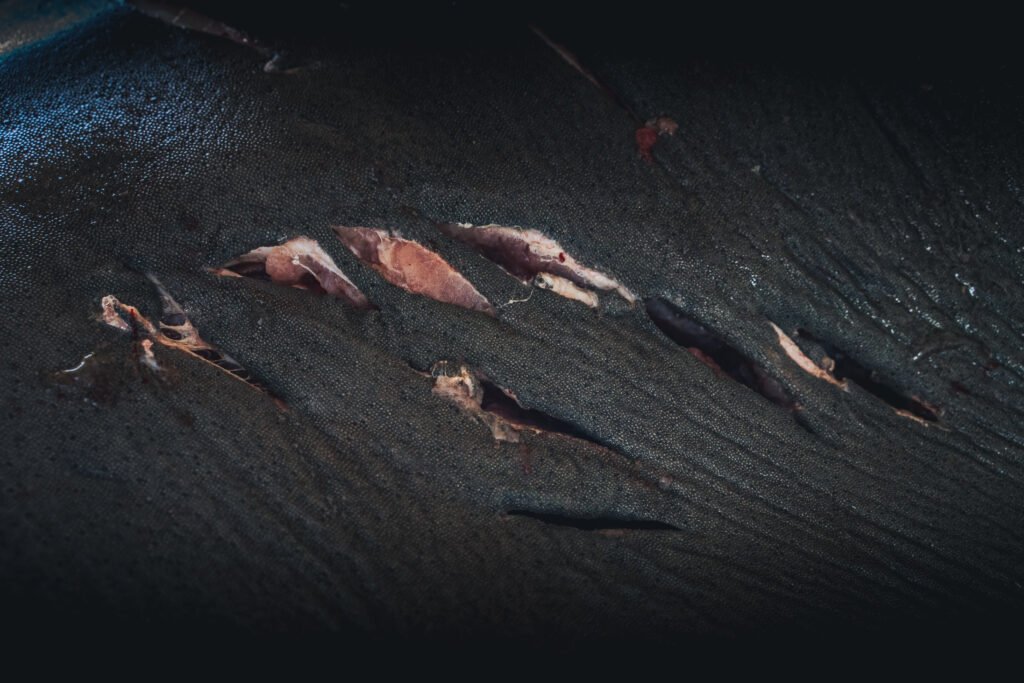
In reality, some of the remains from sharks caught during these operations are also used commercially, particularly the skin, which can be processed into luxury products such as bags, wallets, and keychains. Shark skin is valued in certain markets due to its unique texture, durability, and rarity, creating an additional economic value around the use of these animals beyond the original justification of fisheries protection.
This raises important questions about the arguments used to justify shark culling programs. While these operations are often presented as necessary for human safety or the protection of fishermen’s livelihoods, the commercial use of shark products reveals a more complex situation where economic interests, traditional practices, and conservation concerns overlap.
The possibility of creating Okinawan shark leather highlights an even deeper inconsistency in the current approach. If these animals are already being killed through shark culling programs, using their skin for commercial products does not justify the removal of sharks from the ecosystem; instead, it reveals that valuable resources are being wasted after an unnecessary intervention. Rather than presenting culling as a solution, the existence of a market for shark leather raises questions about whether economic interests are influencing the continued exploitation of these predators. The solution should not be finding more ways to profit from killed sharks, but reconsidering whether the killing itself is truly necessary.



Chapter 3: CONCLUSION
MY PERSONAL OPINION
As a dive instructor and someone who deeply values sharks, I find it difficult to see this type of culling as an effective long-term solution. I also recognize that I am an outsider, observing a practice that belongs to a culture and a fishing community very different from my own. I have tried to understand the fishermen’s perspective, and I have no doubt that shark depredation causes real economic losses. Losing fish, hooks and time undoubtedly affects those who depend on the sea for their livelihood.
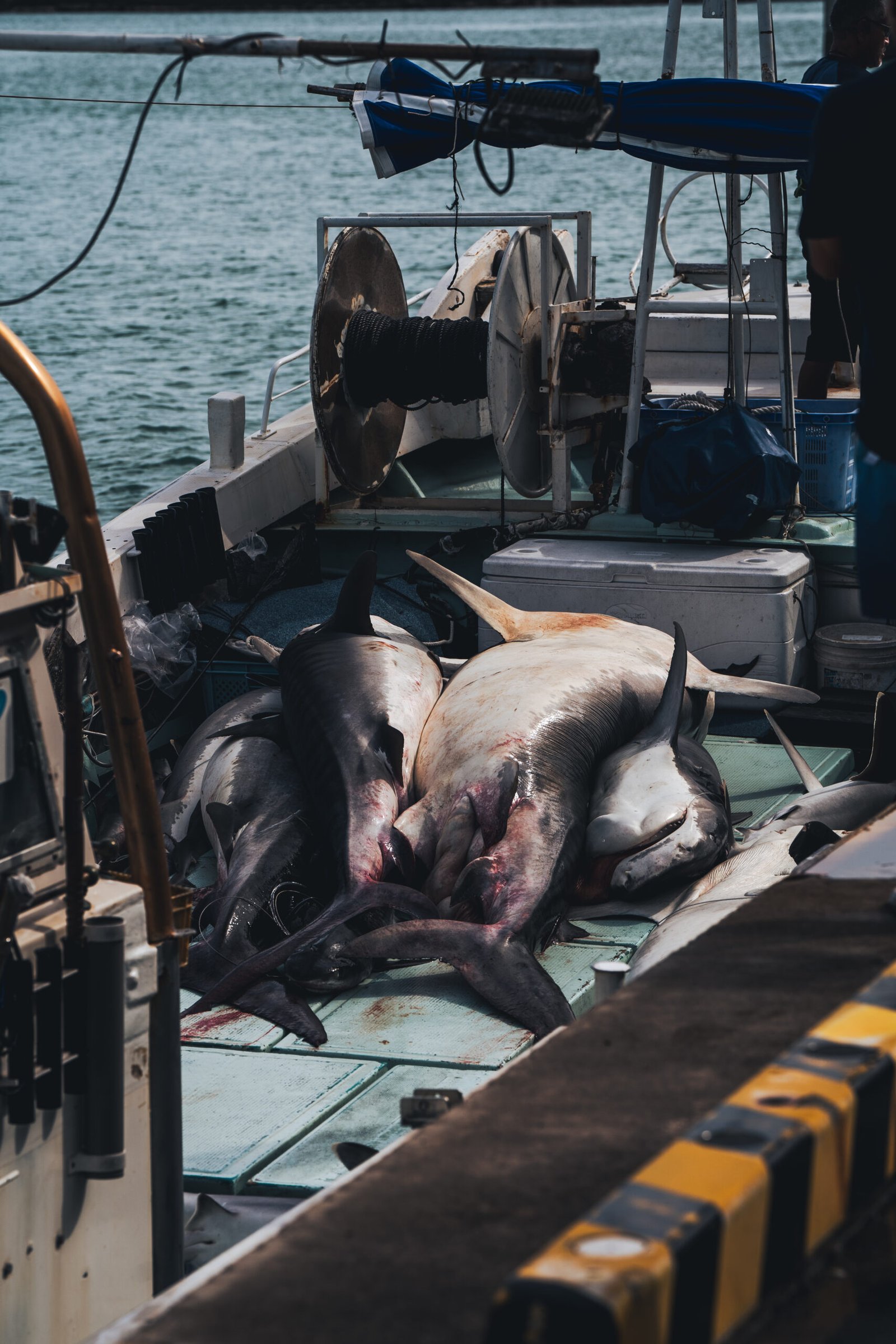
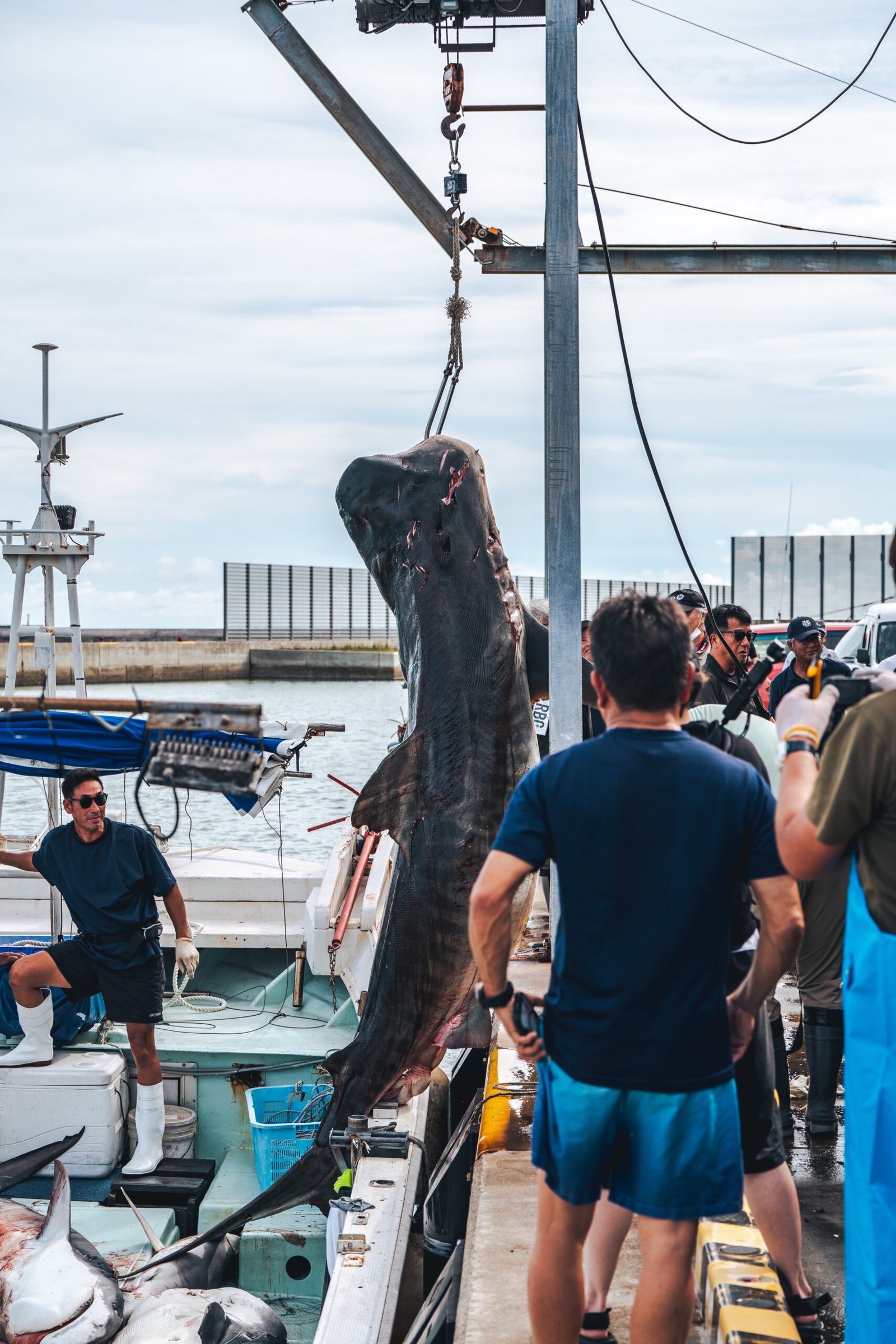
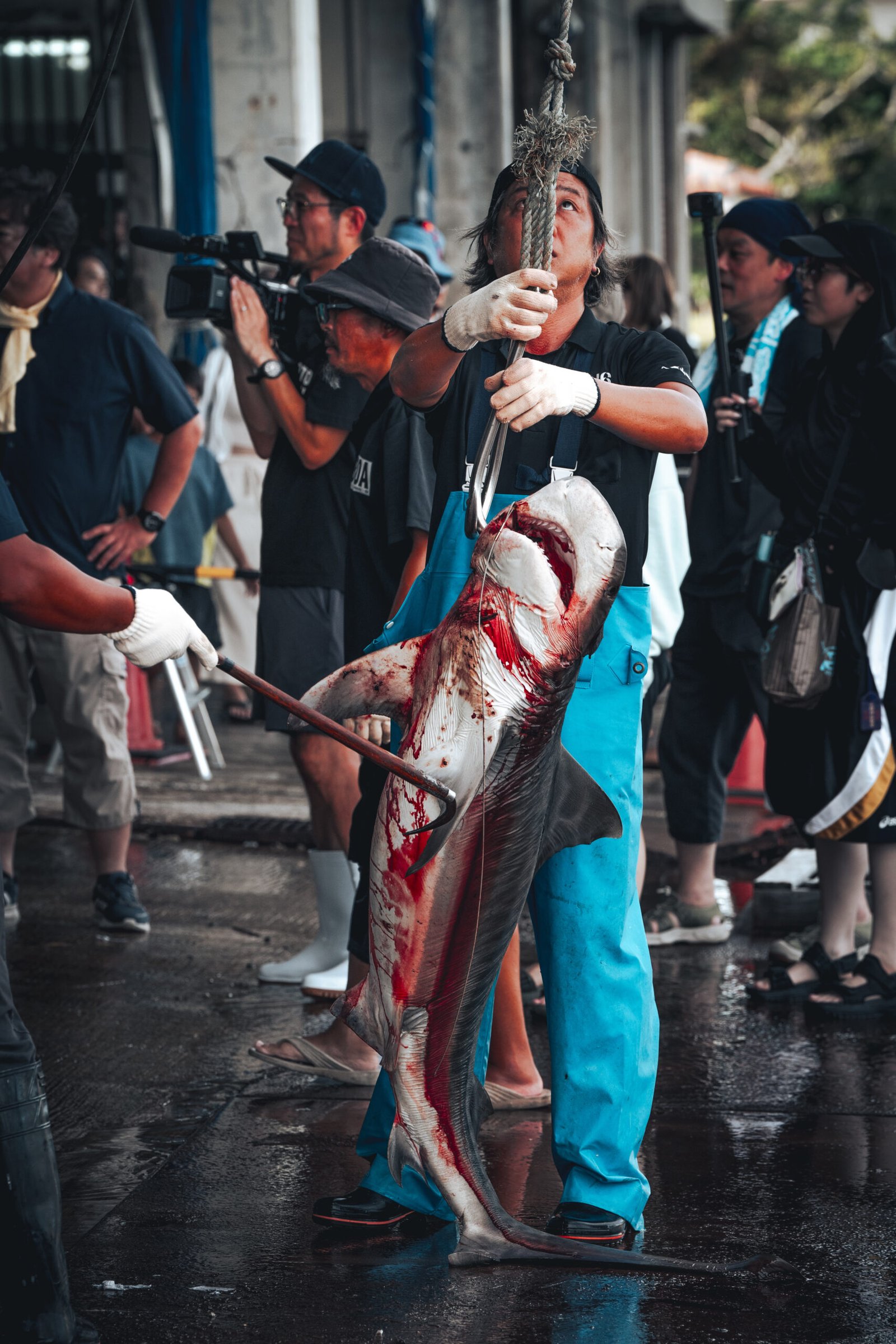
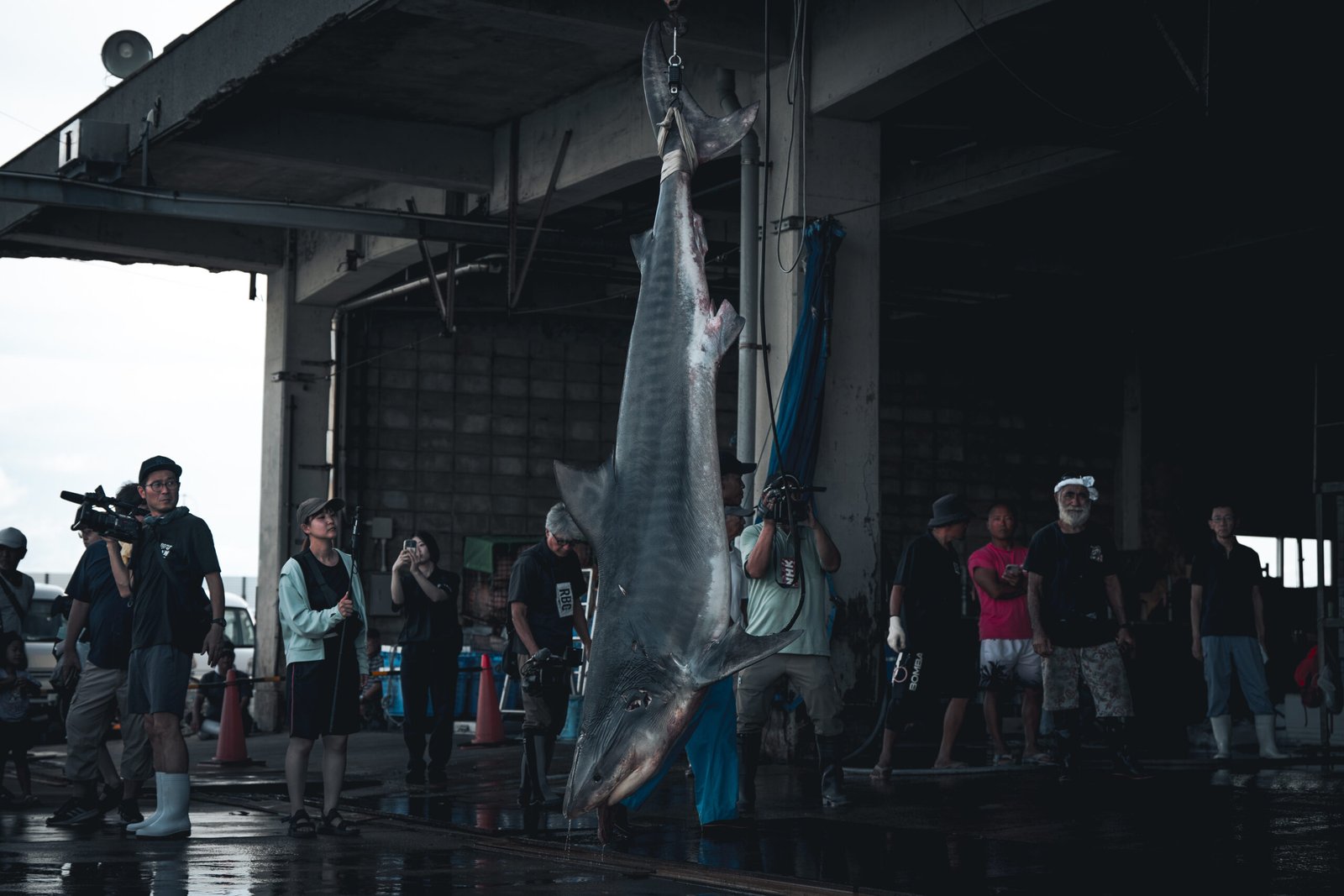
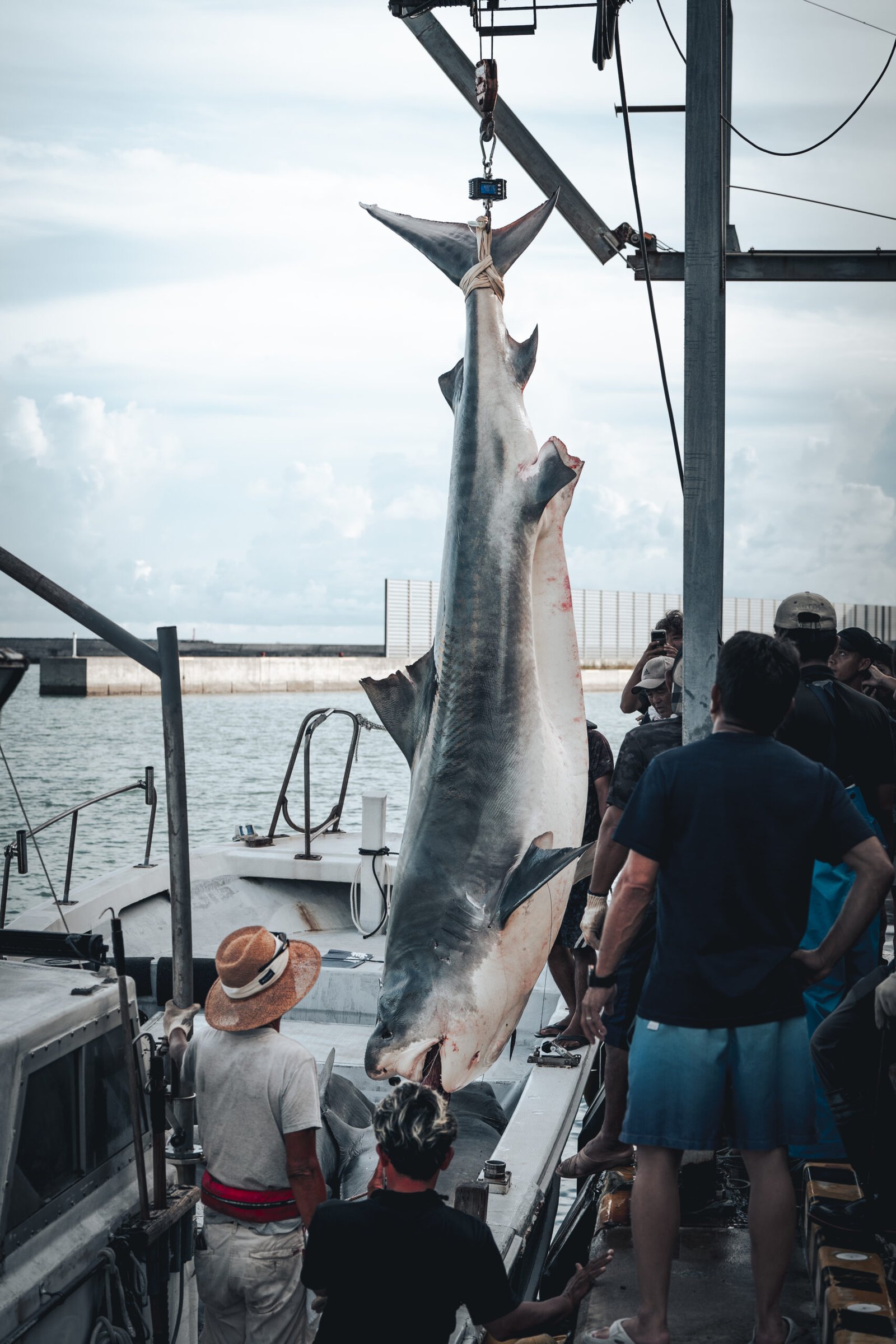
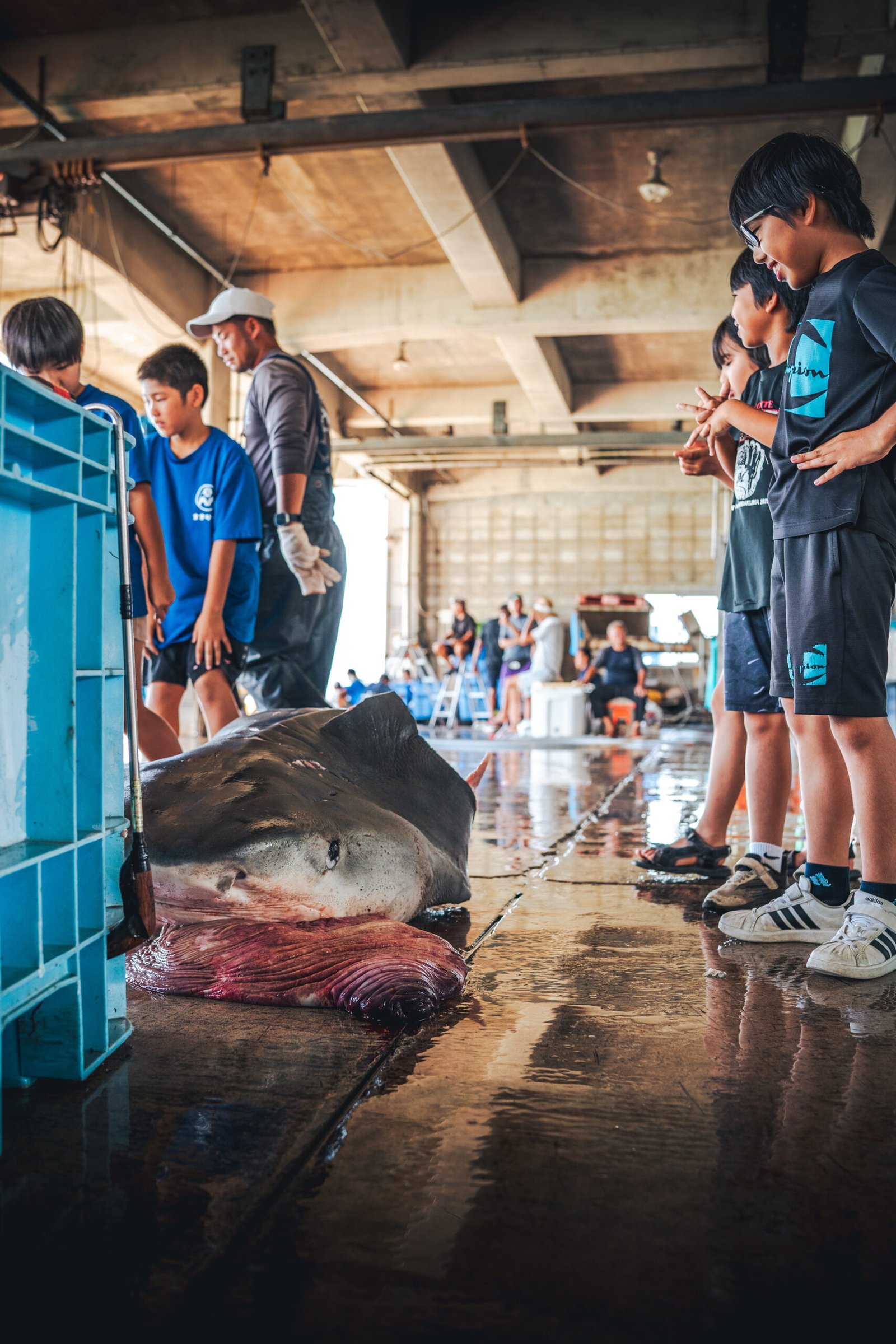
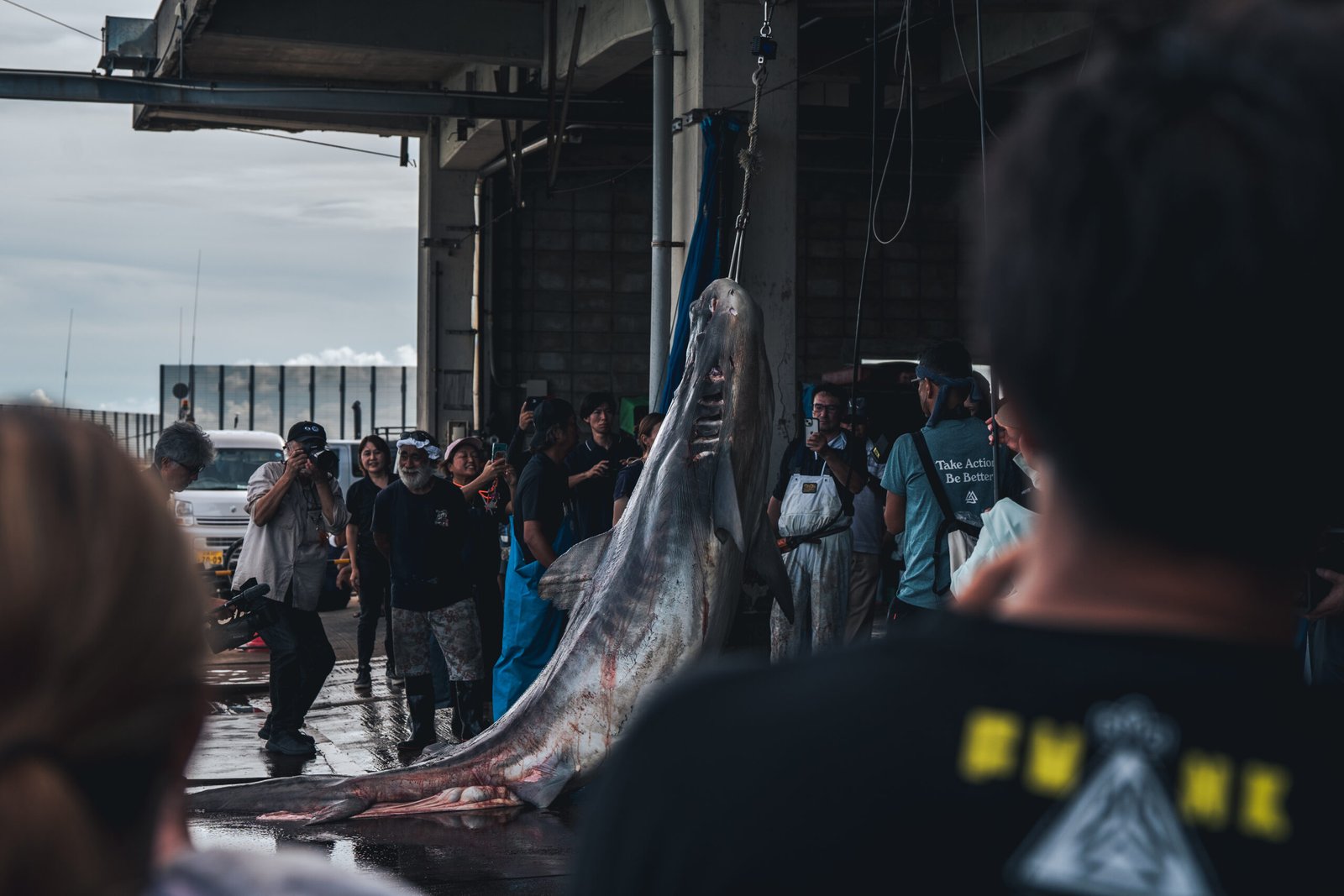
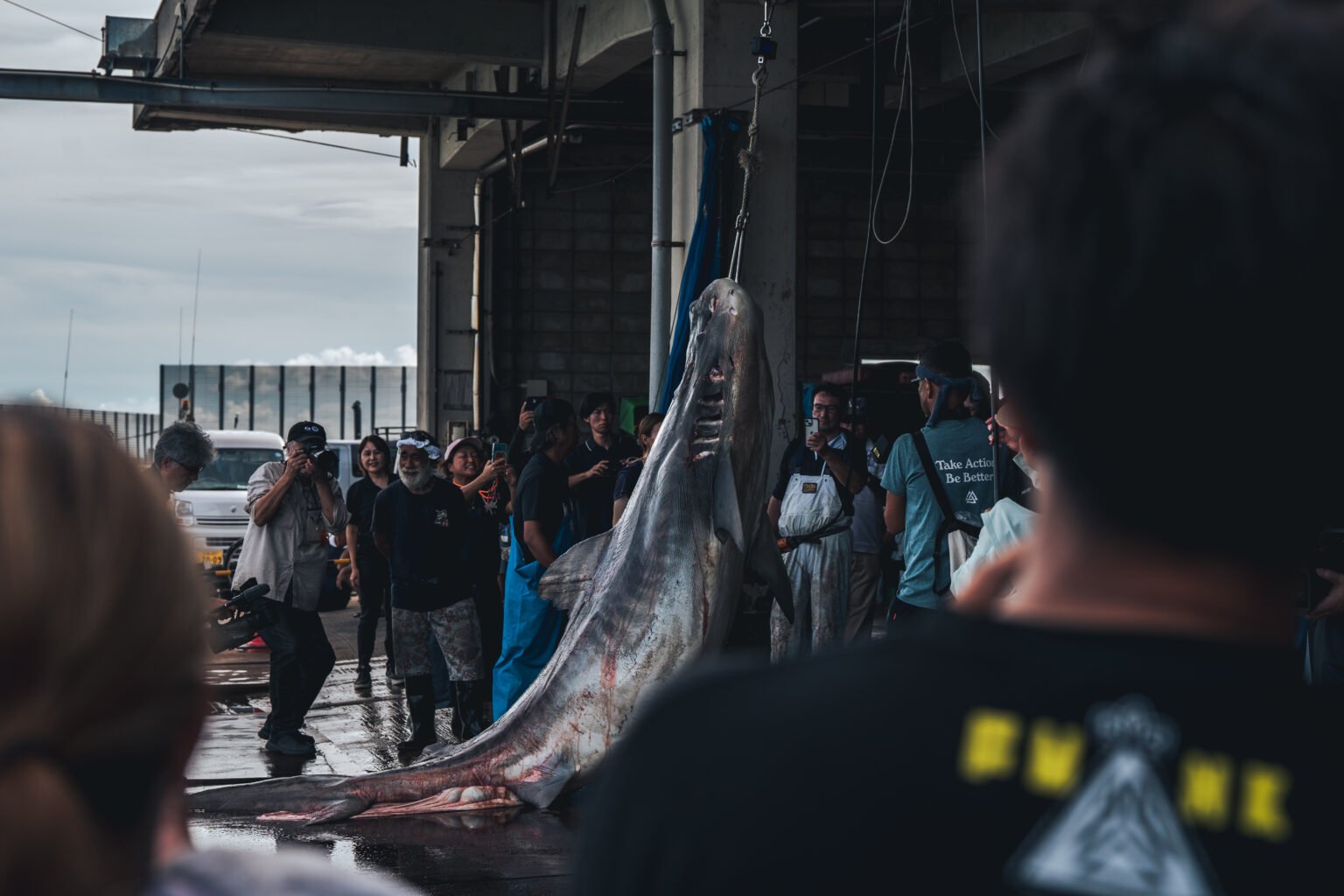
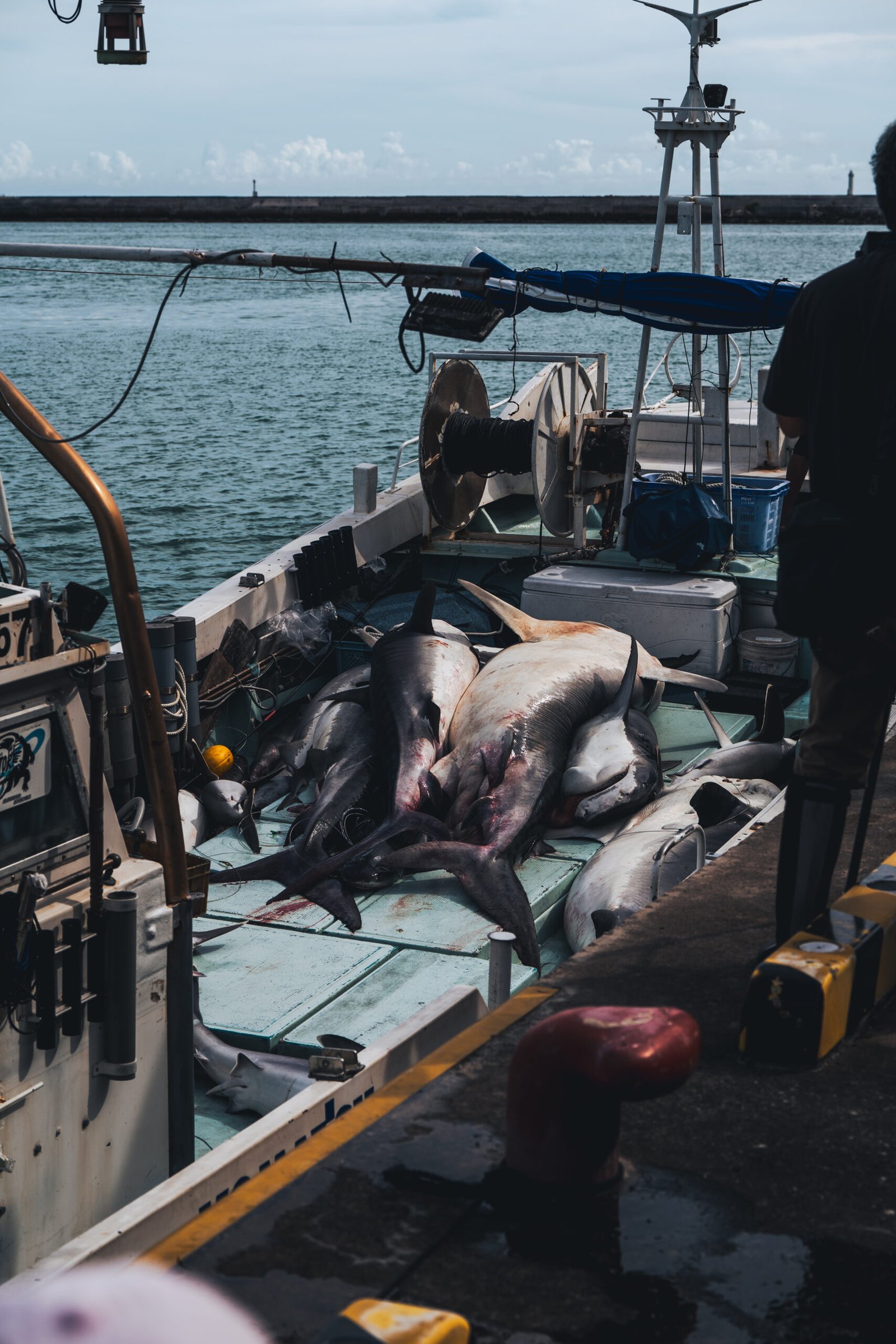
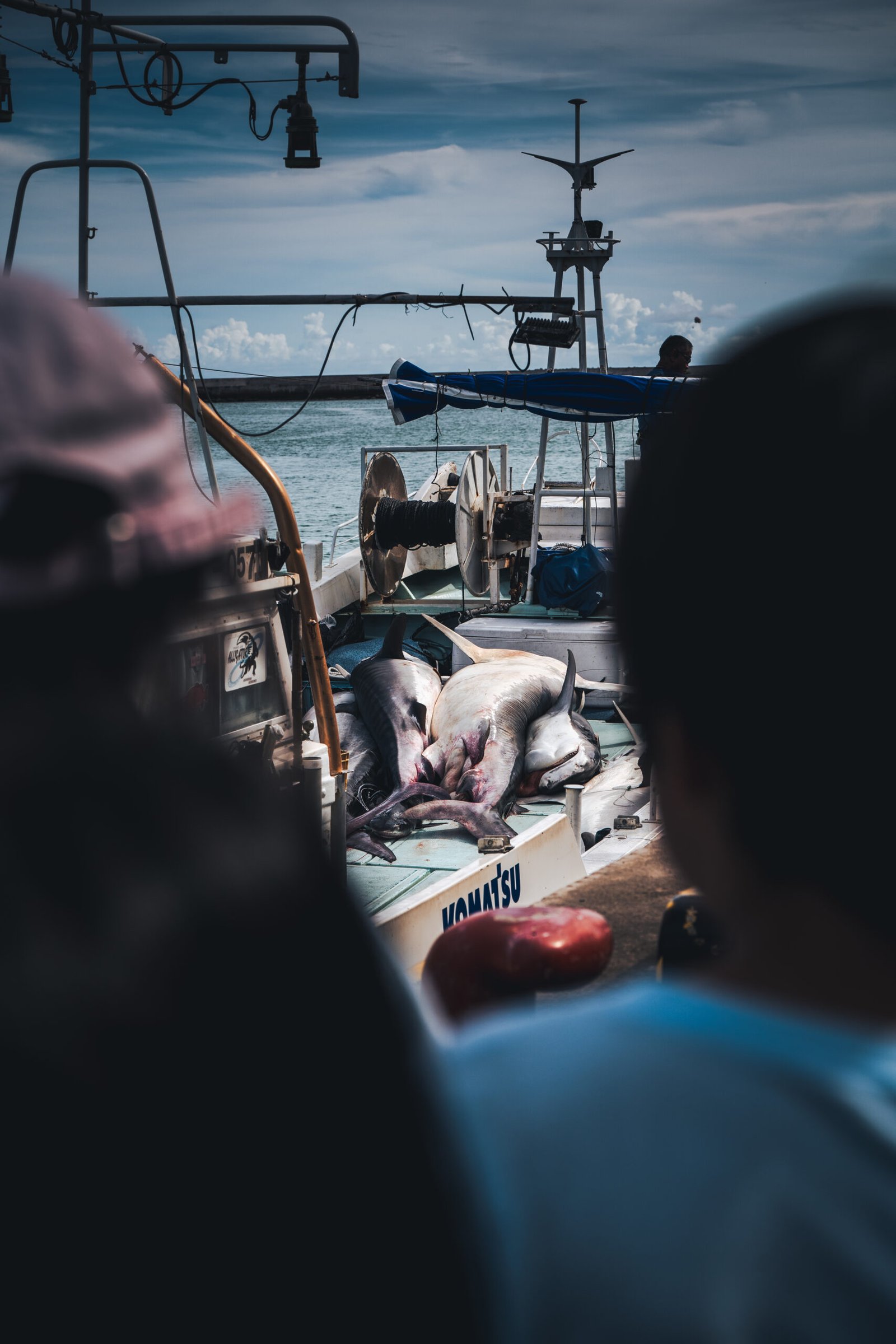
Even so, after witnessing the event firsthand, I struggled to believe that removing more than a hundred sharks over the course of two days can provide a meaningful answer to such a complex problem. From my perspective, it felt as though the event had become about more than reducing interactions between sharks and fisheries. The atmosphere on the dock, the reactions of some spectators and the pride surrounding the largest catches gave me the personal impression that the sharks themselves had become the focus of the event.

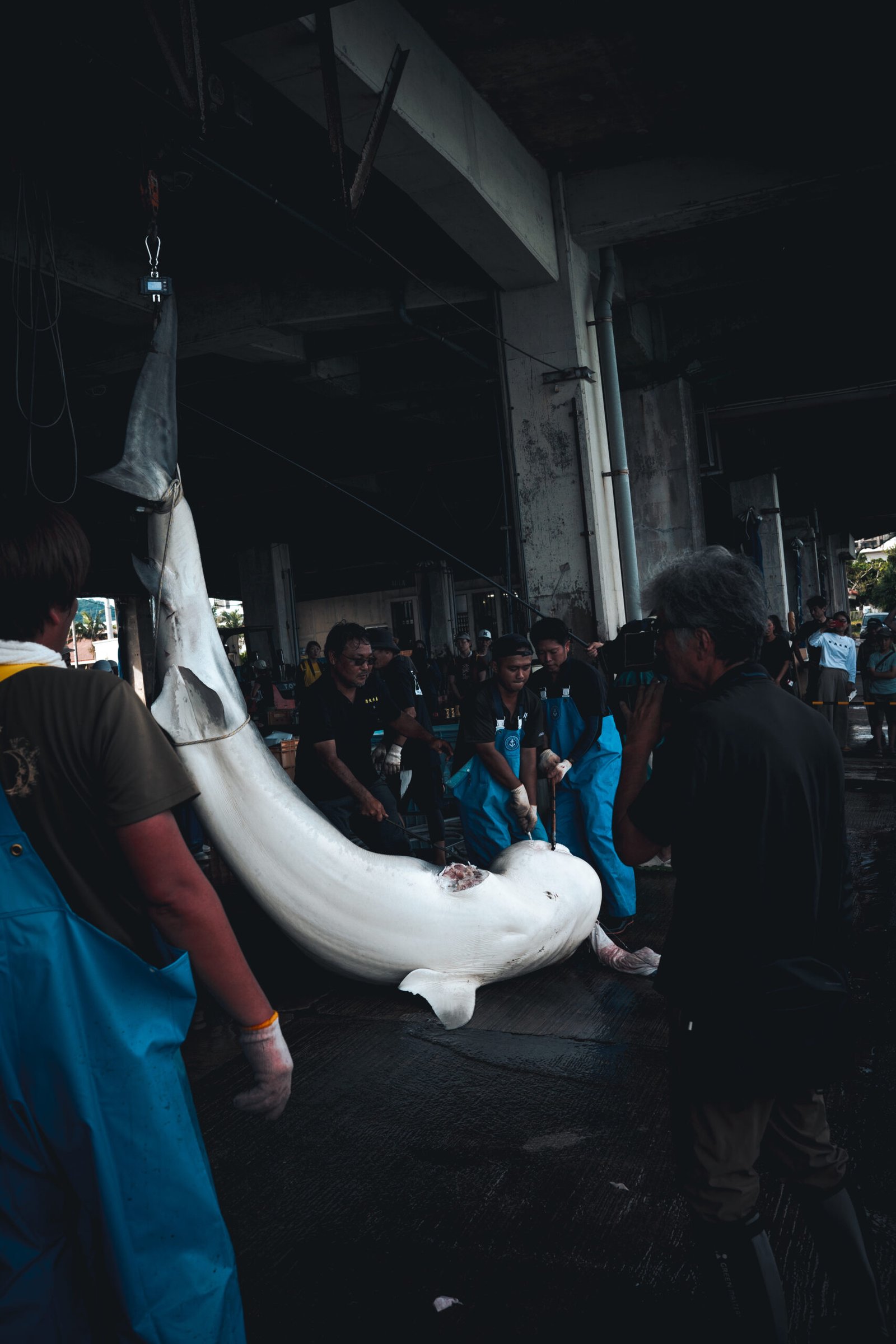
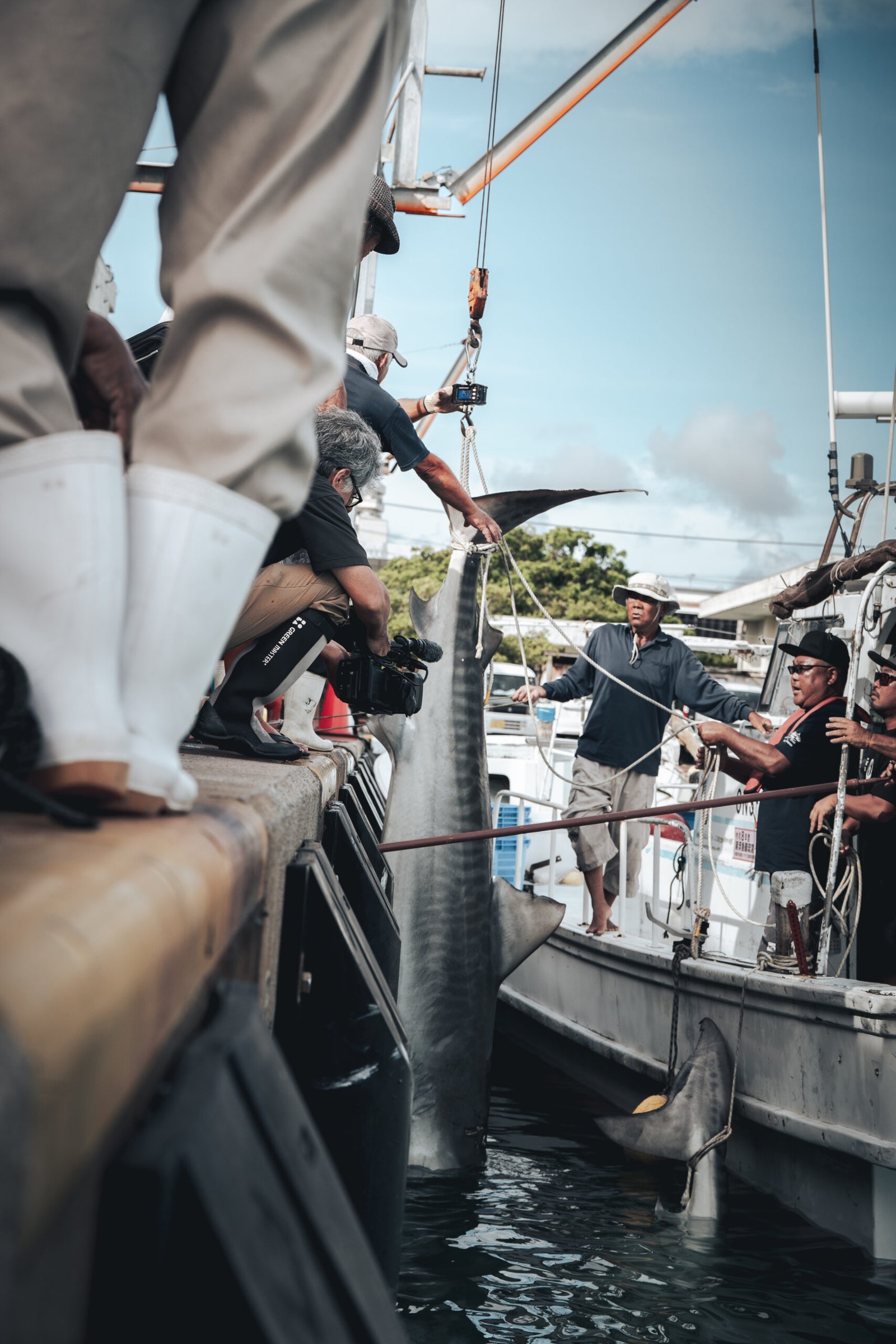
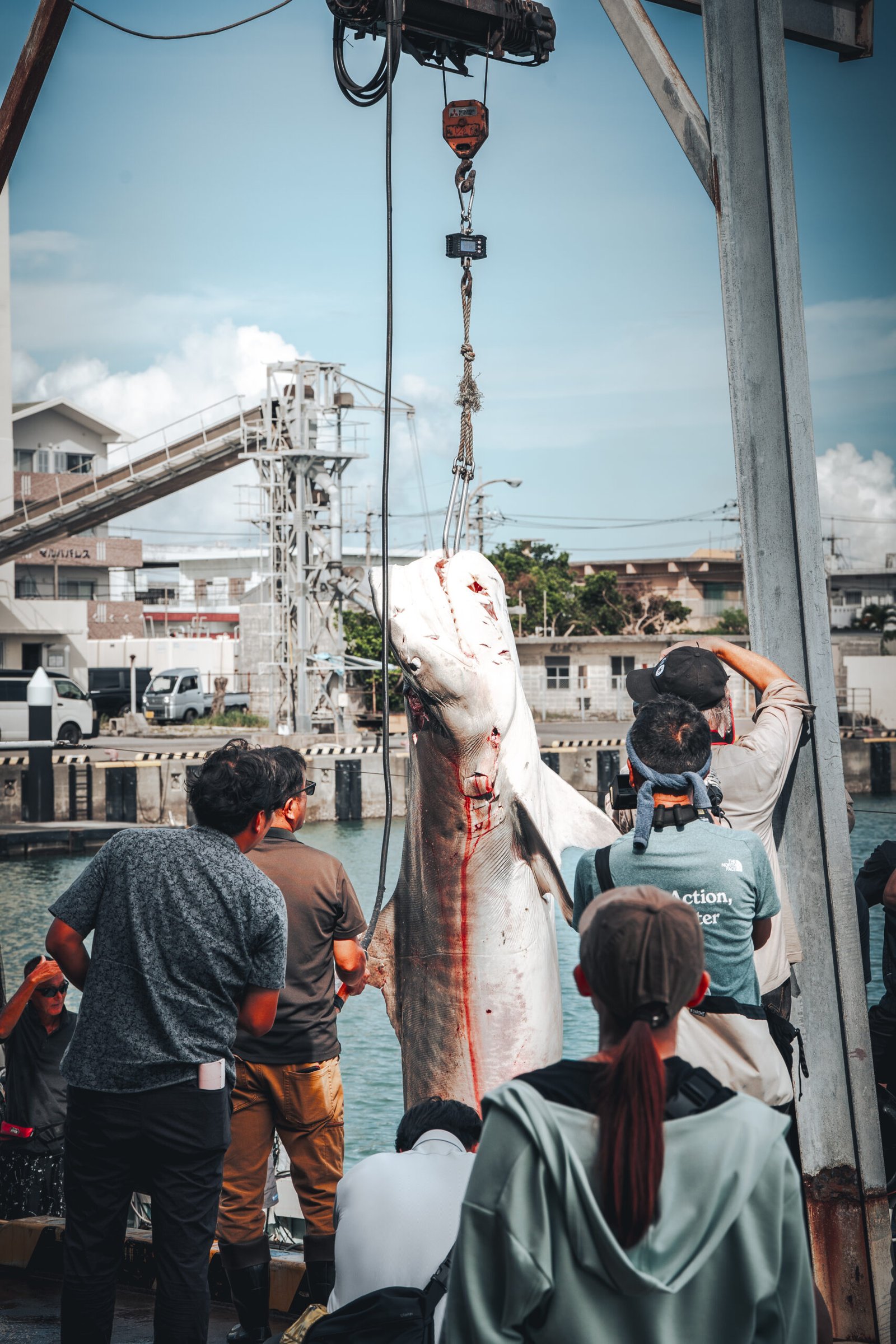
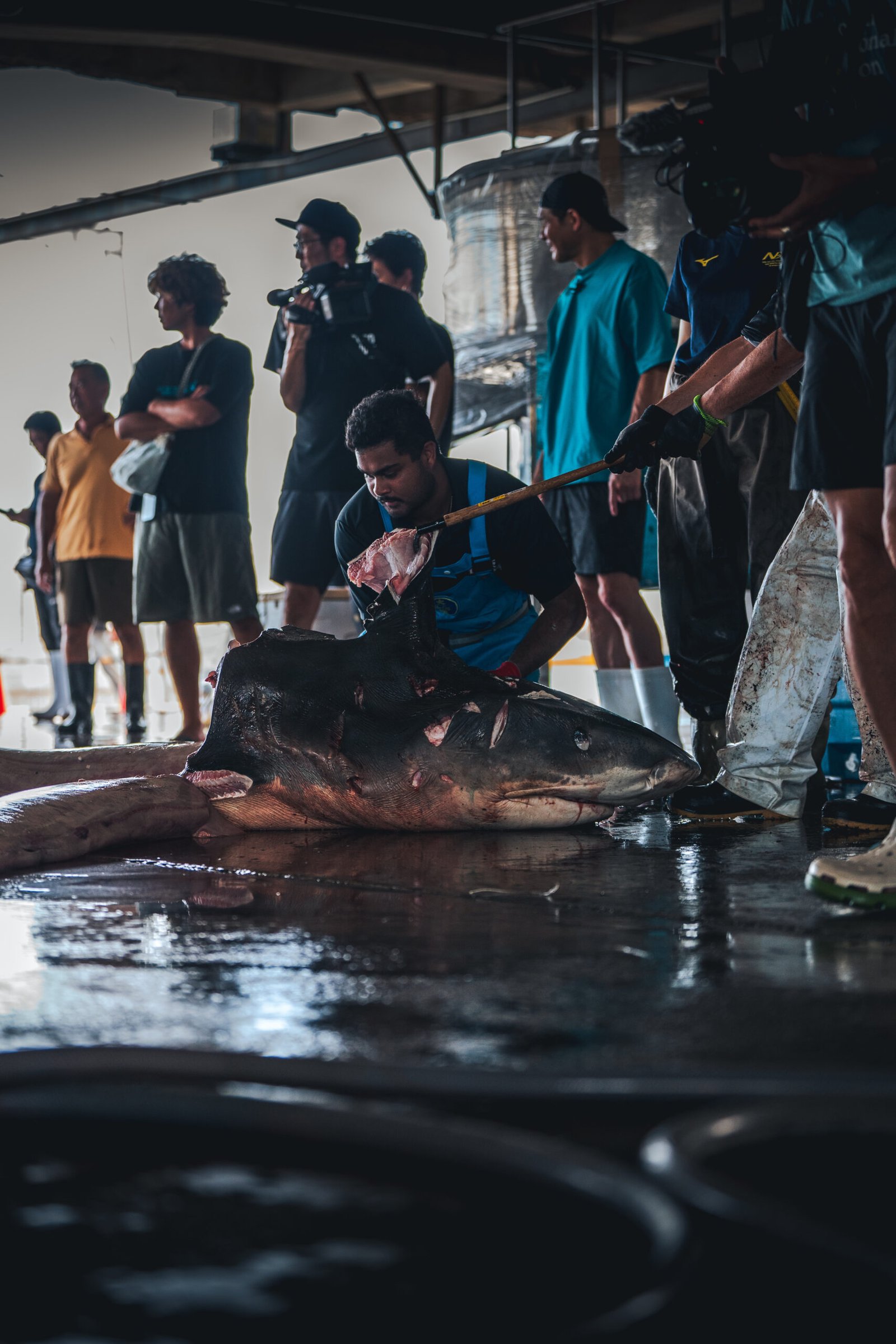
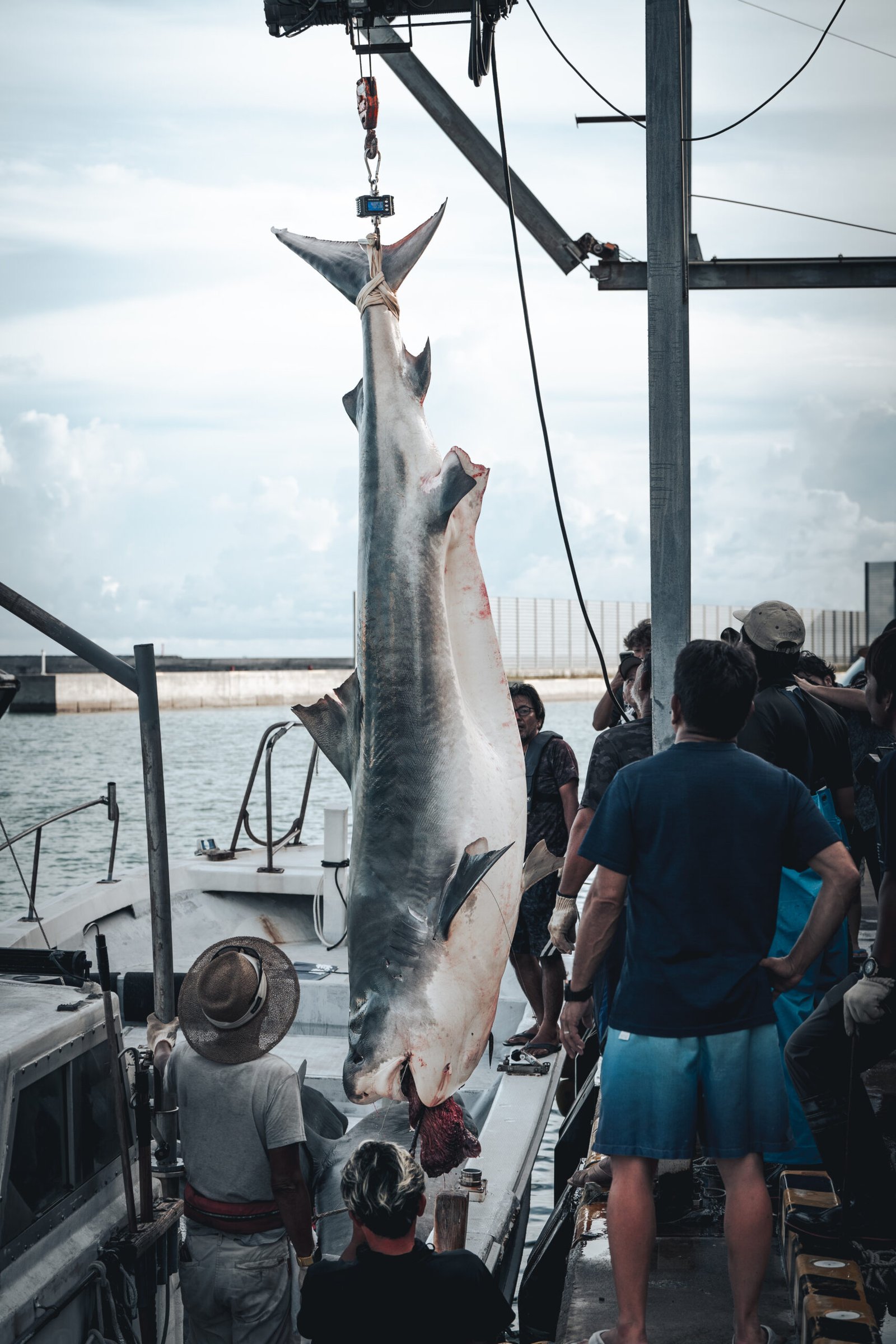
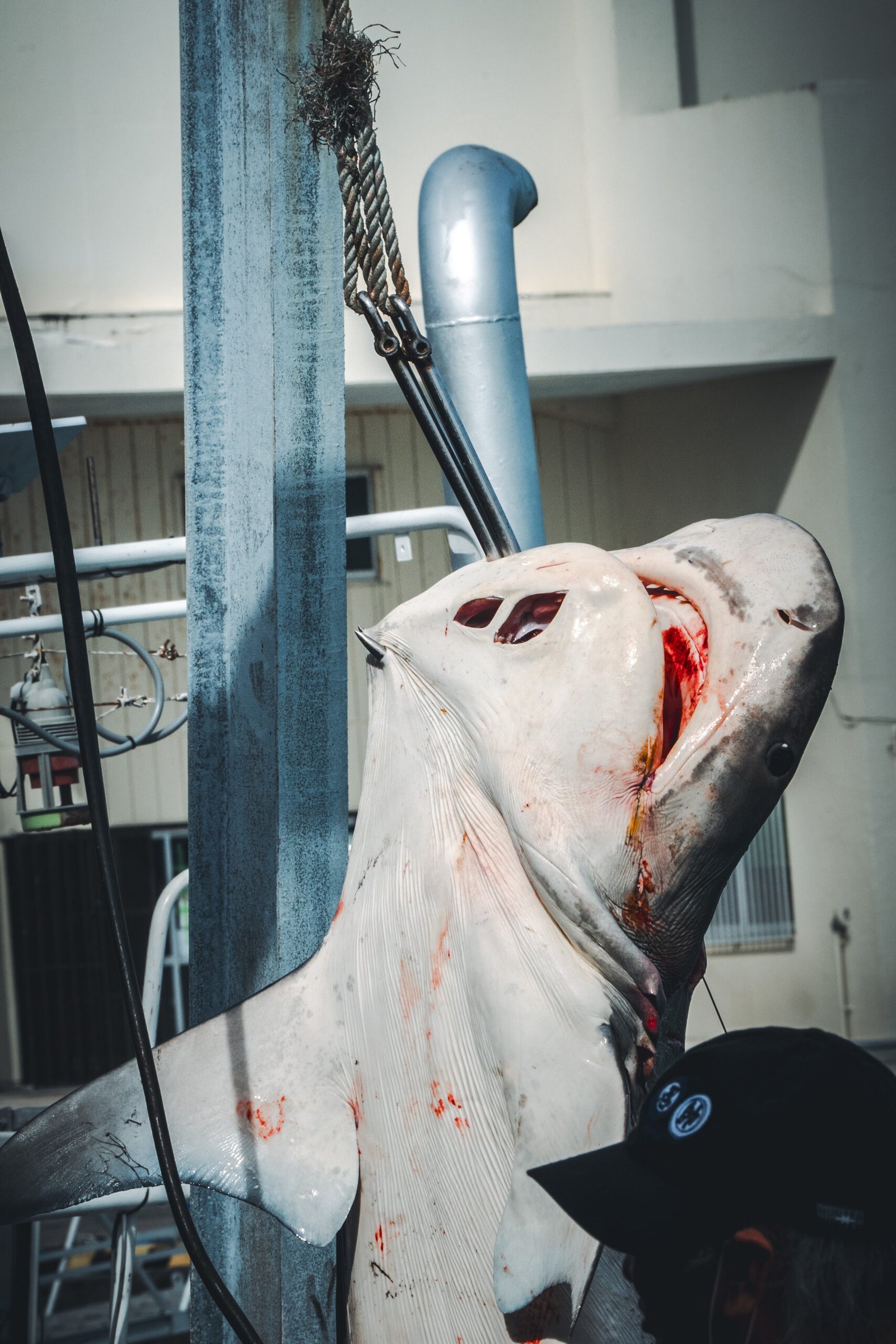
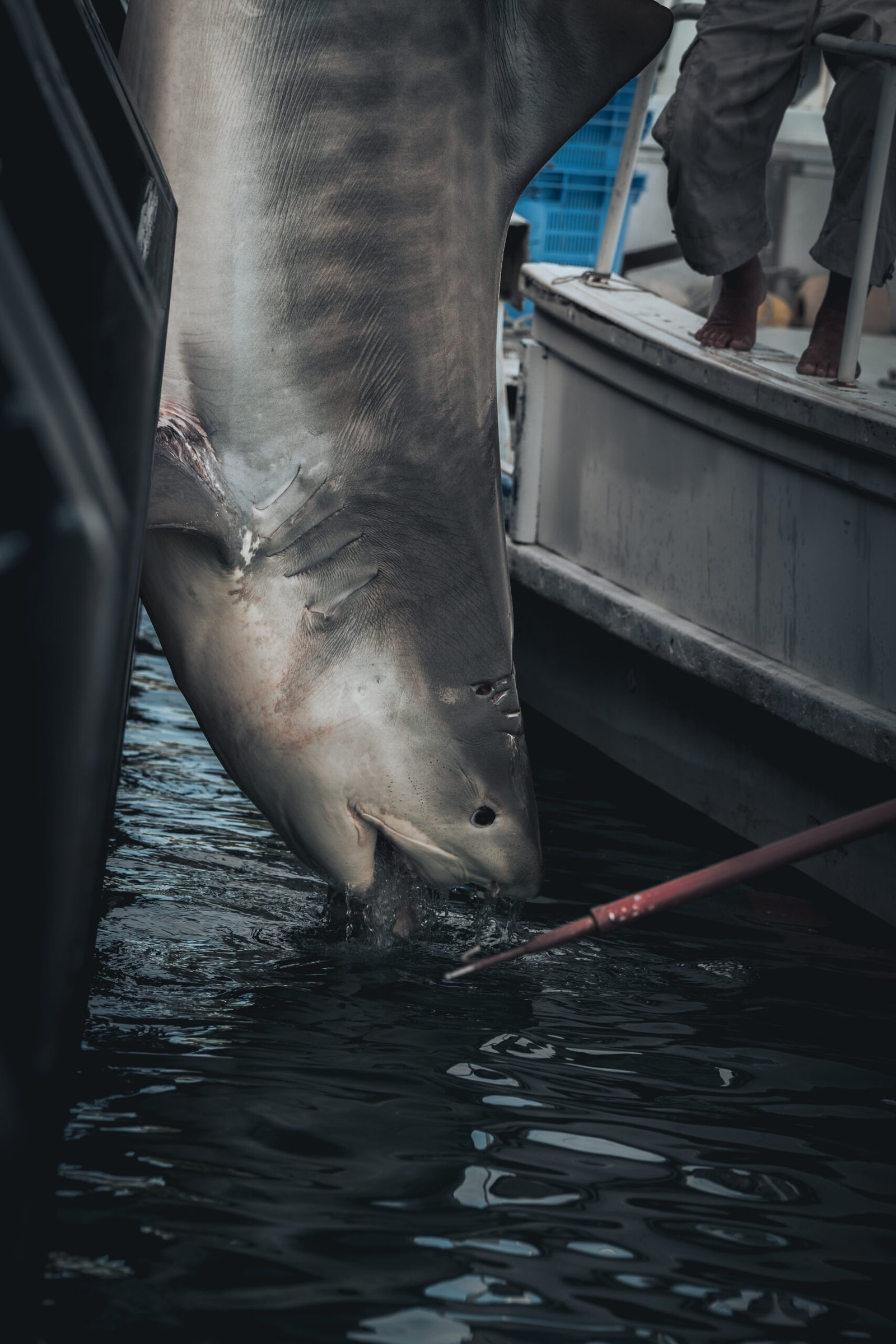
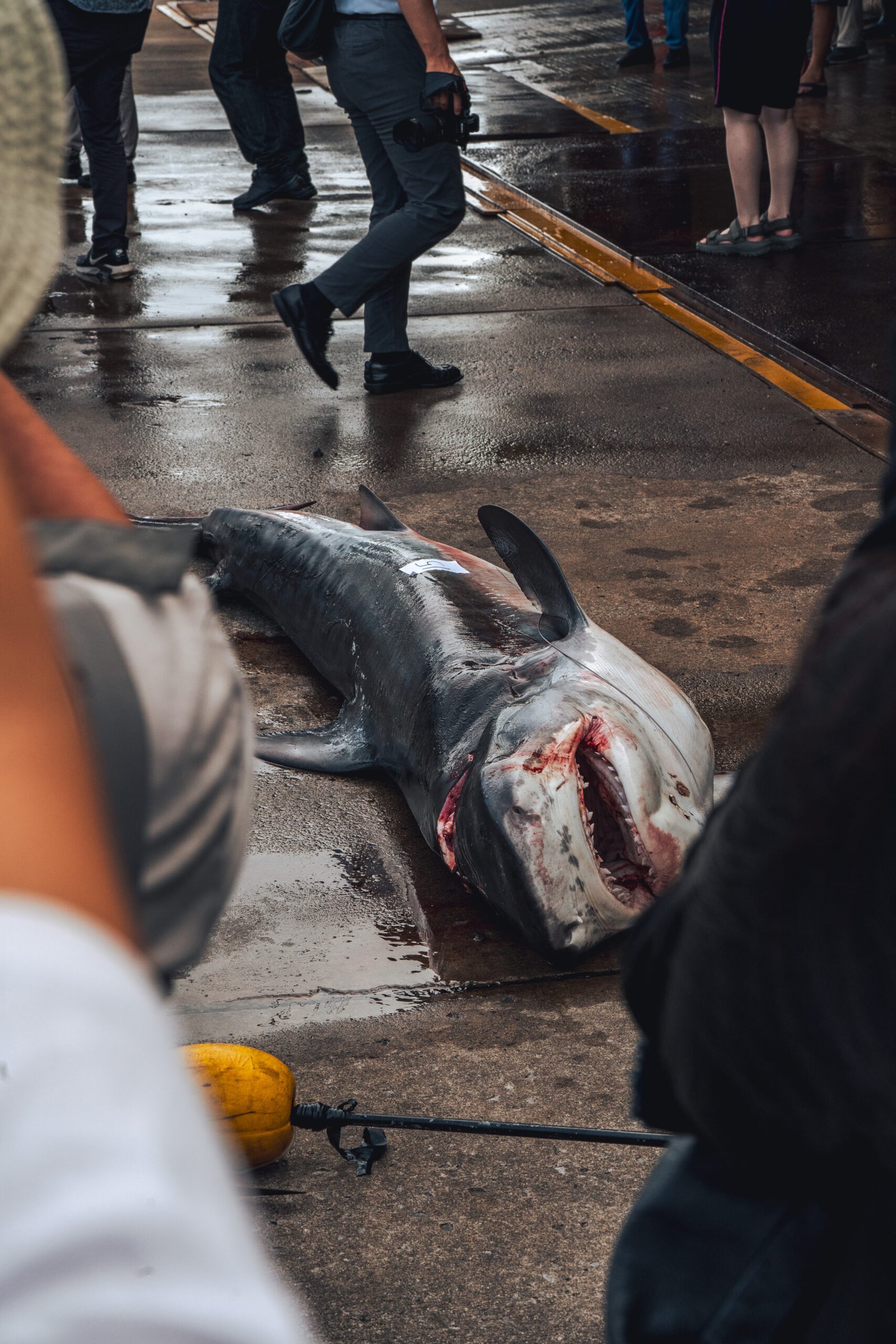
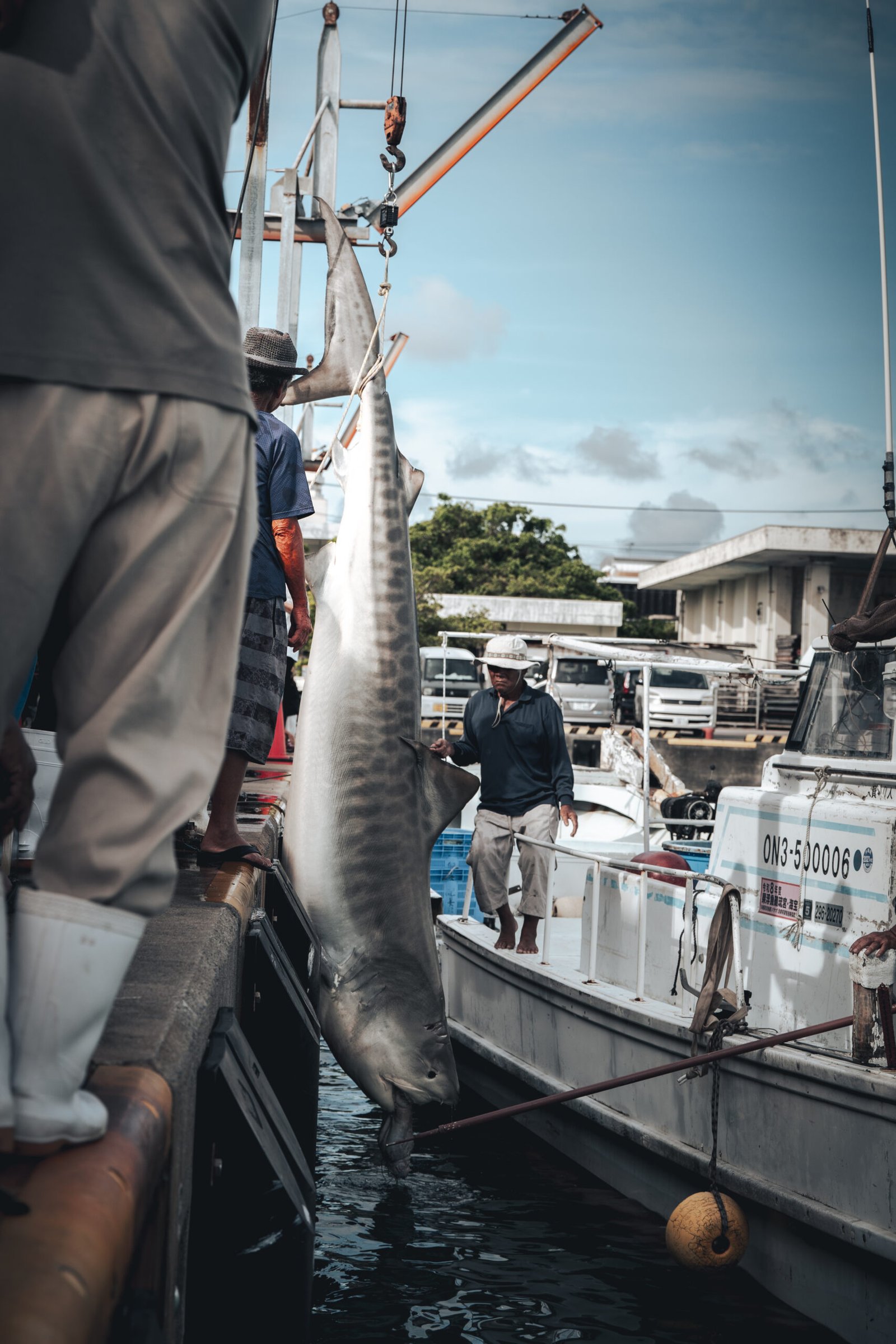
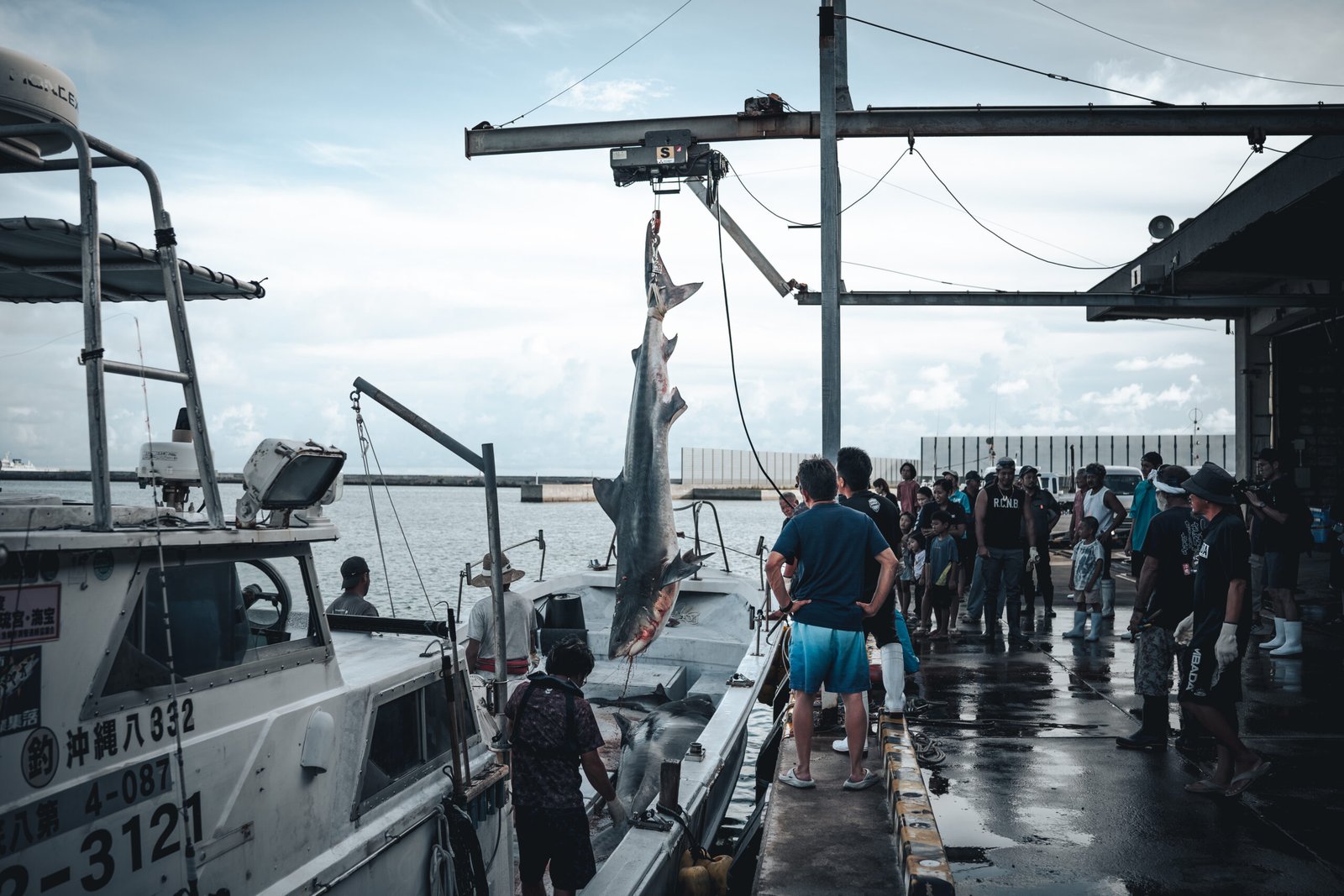
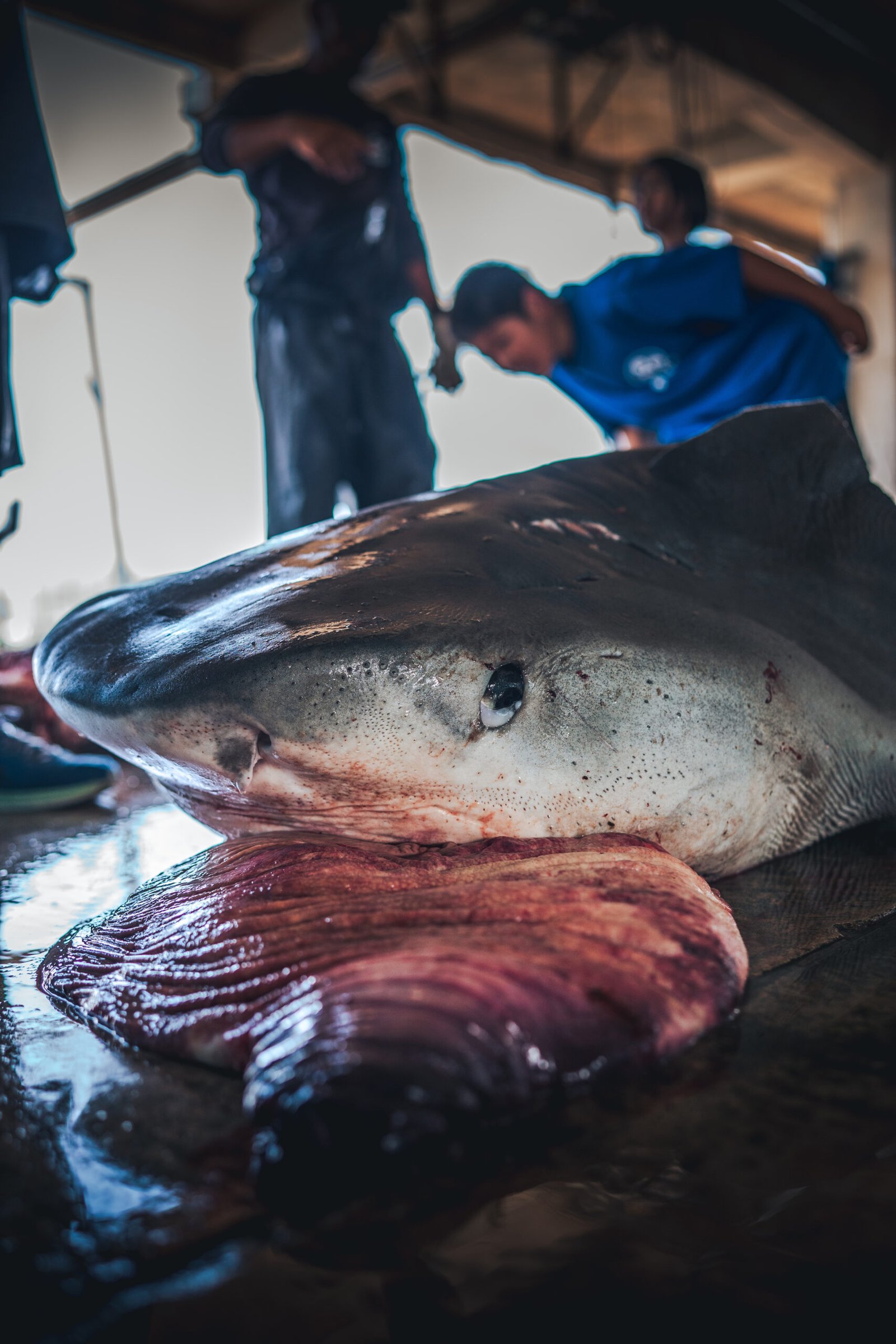
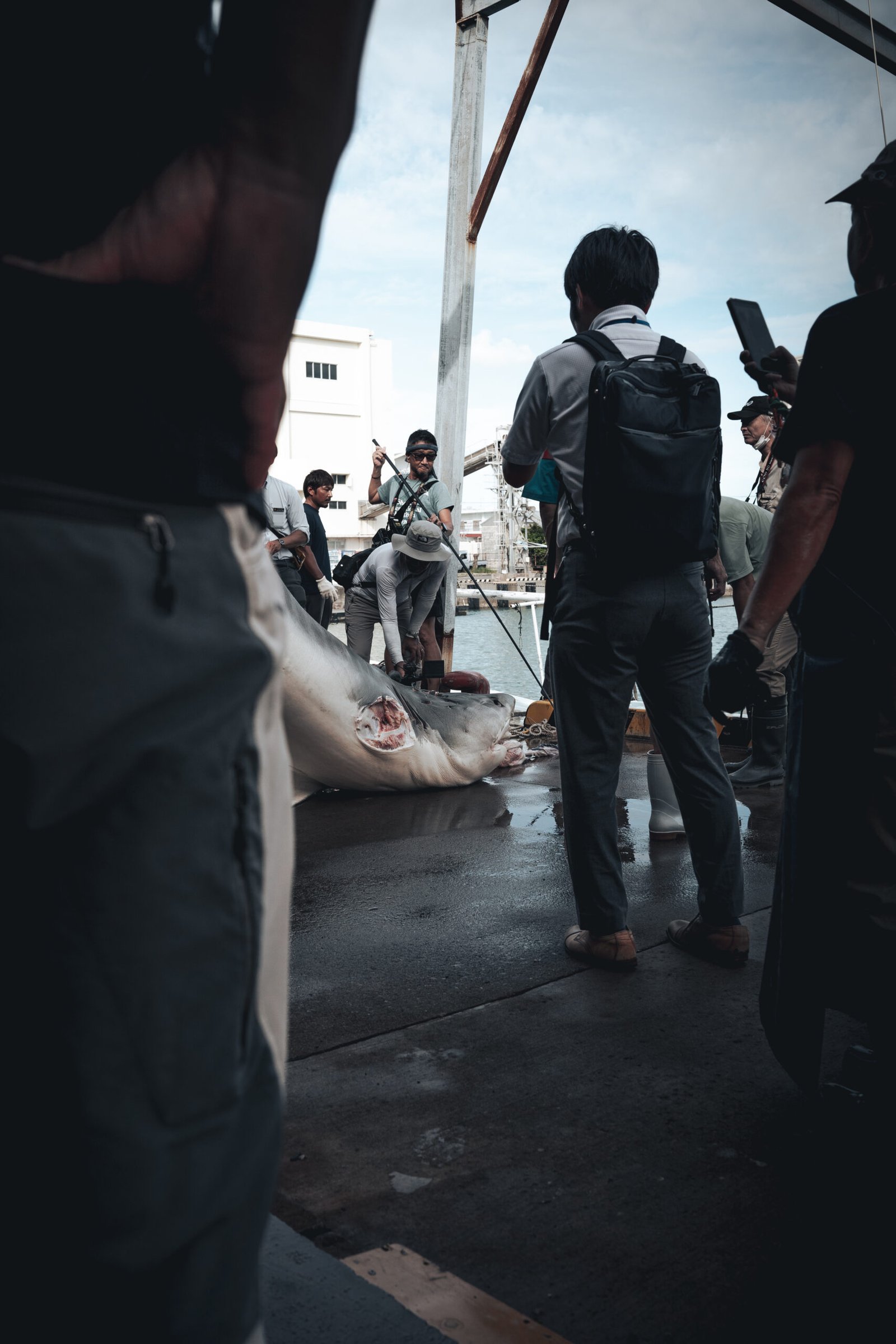
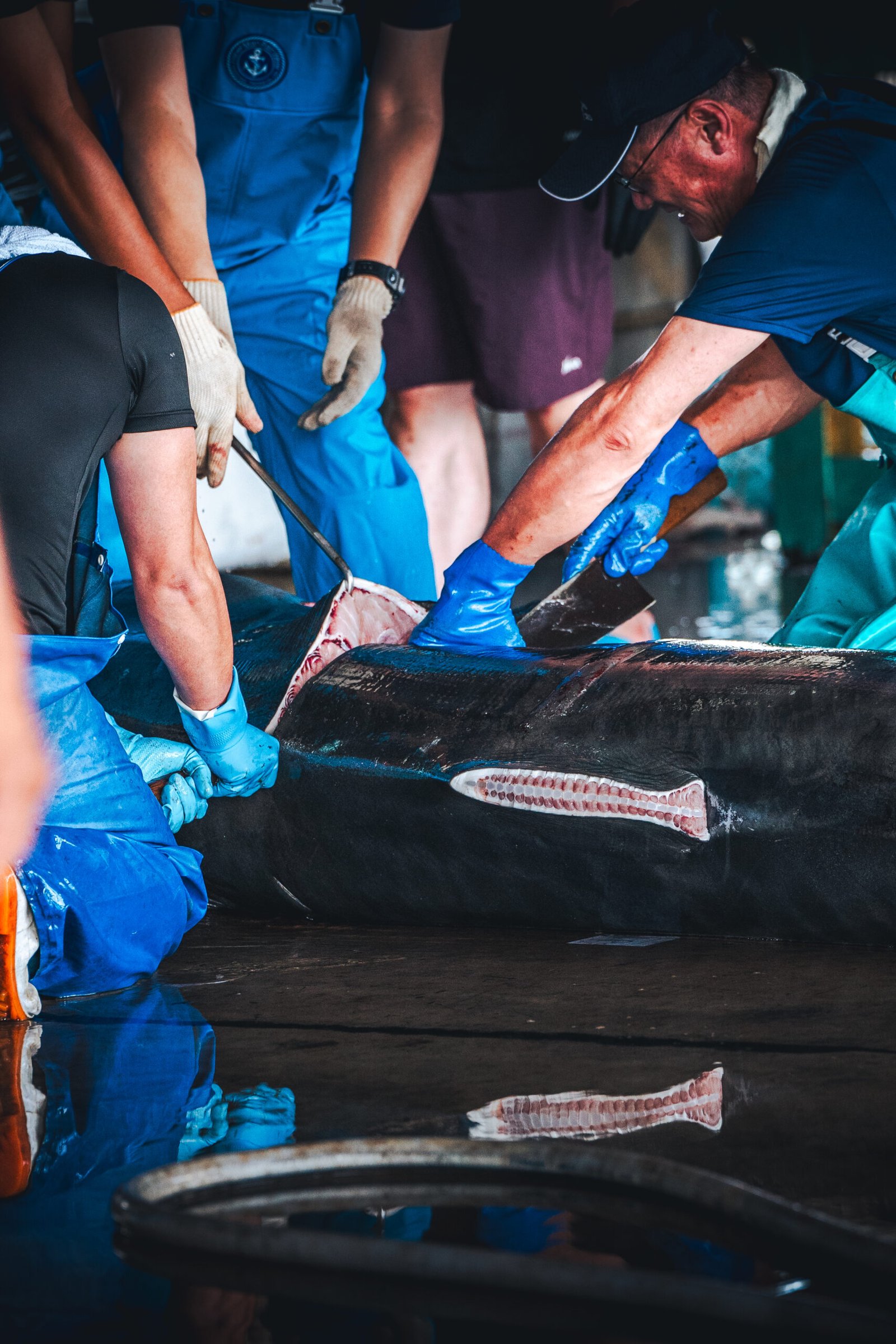

That is, of course, only my interpretation, and it is inevitably influenced by my profession and my passion for these animals. Others who witnessed the same event may reach different conclusions. What I can say with certainty is that seeing dozens of sharks, including juveniles, landed in just a few hours was a powerful experience that raised difficult questions about whether this annual campaign is the most appropriate way to manage the conflict between fisheries and sharks.
One thing also became clear during my time in Ishigaki: the fishing community plays a remarkably influential role on the island. Their knowledge of the sea, their long history and their economic importance give them a strong voice in decisions affecting local fisheries. Whether this particular approach should continue is a debate that deserves to be informed by science, transparency and open discussion rather than emotion alone.